US Fashion Event Emergency Preparedness: 6 Steps for Safety & Liability

Advertisements
Effectively managing emergency preparedness at US fashion events is crucial for ensuring attendee safety and mitigating potential liability. This guide outlines six essential steps for robust planning and execution.
Navigating the complexities of large-scale gatherings demands meticulous planning, especially when it comes to the safety of attendees. For organizers of glamorous showcases, understanding US Fashion Event Emergency Preparedness: 6 Steps to Ensure Attendee Safety and Minimize Liability is not merely a suggestion, but a fundamental requirement for a successful and secure event.
Advertisements
Understanding the landscape of fashion event risks
Fashion events, while often perceived as celebrations of style and creativity, are not immune to unforeseen circumstances. From crowded venues to complex staging, these gatherings present unique challenges that demand a proactive approach to safety. A thorough risk assessment is the cornerstone of any effective emergency plan, allowing organizers to anticipate and mitigate potential threats before they escalate.
Identifying the specific vulnerabilities of a fashion event requires a detailed understanding of its operational nuances. This includes everything from the physical layout of the venue to the behavior patterns of attendees and the potential for external disruptions. Ignoring these factors can lead to significant safety breaches and substantial legal repercussions.
Common risks at fashion events
Various factors can contribute to emergencies at fashion events, ranging from natural disasters to human-made incidents. Understanding these categories helps in developing a comprehensive response strategy.
- Crowd management issues: Overcrowding, stampedes, or bottlenecks near entrances/exits.
- Medical emergencies: Heatstroke, allergic reactions, heart attacks, or other health crises among attendees or staff.
- Fire hazards: Electrical failures, improper storage of flammable materials, or deliberate acts.
- Security threats: Active shooters, protests, theft, or unauthorized access.
- Structural failures: Collapsing stages, lighting rigs, or other temporary structures.
- Natural disasters: Earthquakes, severe weather conditions, or other regional specific events.
Each of these risks carries not only a potential for harm to individuals but also significant financial and reputational damage to the event organizers. Therefore, a robust risk assessment forms the bedrock for all subsequent preparedness steps, ensuring that no stone is left unturned in safeguarding the event.
Step 1: comprehensive risk assessment and vulnerability analysis
The initial phase of any robust emergency preparedness strategy involves a meticulous examination of all potential risks and vulnerabilities inherent to your specific fashion event. This isn’t a generic checklist exercise; it’s a deep dive into the unique characteristics of your venue, audience, and operational plan. Understanding what could go wrong is the first crucial step toward ensuring attendee safety and minimizing liability.
This assessment should begin long before the event date, ideally during the initial planning stages. Engaging with venue management, local authorities, and experienced safety consultants can provide invaluable insights into potential hazards. The goal is to identify every conceivable threat, from minor disruptions to catastrophic events, and understand how each might impact your event.
Identifying potential hazards
A comprehensive risk assessment involves categorizing potential hazards to develop targeted mitigation strategies. This categorization helps in prioritizing responses and allocating resources effectively.
- Environmental hazards: Consider local weather patterns, potential for natural disasters like floods or wildfires, and air quality issues.
- Operational hazards: Evaluate risks associated with staging, lighting, sound equipment, backstage areas, and vendor operations.
- Human-related hazards: Assess the potential for medical emergencies, alcohol-related incidents, crowd surges, or even acts of violence.
- Technological hazards: Examine the possibility of power outages, communication system failures, or cybersecurity breaches if digital elements are involved.
By systematically cataloging these hazards, organizers can begin to visualize potential emergency scenarios and their likely impact. This detailed analysis moves beyond generic safety protocols, focusing on the specific context of a fashion event.
Vulnerability analysis and impact assessment
Once hazards are identified, the next step is to analyze the event’s vulnerability to each. This involves evaluating how likely each hazard is to occur and what its potential consequences might be. For instance, a small, intimate fashion show in a stable building might have low vulnerability to structural collapse but high vulnerability to a medical emergency given an older demographic.
An impact assessment quantifies the potential damage, including physical harm to attendees, property damage, reputational harm, and financial losses. This exercise helps in prioritizing risks and allocating resources effectively for mitigation. Understanding the potential ripple effects of an emergency is vital for comprehensive planning.

The output of this step should be a detailed risk register, outlining identified risks, their likelihood, potential impact, and initial ideas for mitigation. This document serves as the foundation for developing all subsequent emergency plans and protocols, providing a clear roadmap for ensuring peace of mind for both organizers and attendees.
Step 2: developing a tailored emergency response plan
With a thorough risk assessment in hand, the next critical step is to translate those insights into a concrete, actionable emergency response plan. This plan must be specifically tailored to the unique characteristics of your fashion event, venue, and anticipated audience. A generic plan simply won’t suffice; it needs to address the identified vulnerabilities directly and provide clear, concise instructions for every potential scenario.
The development process should be collaborative, involving key stakeholders such as venue management, security personnel, medical staff, and local emergency services. Their collective expertise will ensure the plan is comprehensive, realistic, and compliant with all relevant regulations. A well-crafted plan is the blueprint for effective crisis management, guiding all actions when time is of the essence.
Key components of an emergency plan
An effective emergency response plan is a multifaceted document that covers various aspects of crisis management. It must be easily understandable and accessible to all relevant personnel.
- Communication protocols: How will information be disseminated to staff, attendees, and emergency services during an incident? This includes designated communication channels and backup systems.
- Evacuation procedures: Clearly defined routes, assembly points, and methods for assisting individuals with disabilities.
- Medical response: Location of first aid stations, roles of medical personnel, and procedures for calling advanced medical help.
- Security measures: Protocols for handling security breaches, crowd control, and coordination with law enforcement.
- Incident command structure: Clearly defined roles, responsibilities, and decision-making authority during an emergency.
- Shelter-in-place instructions: Guidelines for situations where evacuation is not the safest option.
Each component must be meticulously detailed, leaving no room for ambiguity. The plan should also include provisions for post-incident analysis and recovery, ensuring continuous improvement in preparedness.
Coordination with external agencies
A crucial aspect of developing an emergency response plan is establishing strong lines of communication and coordination with external emergency services. This involves more than just having their contact numbers; it means sharing your event layout, expected attendance, and specific vulnerabilities well in advance.
Regular meetings and joint exercises with local police, fire departments, and medical responders can significantly enhance the effectiveness of your plan. These collaborations ensure that external agencies are familiar with the event site and your internal protocols, leading to a more seamless and efficient response during an actual emergency. This proactive engagement is vital for a truly integrated safety strategy.
Ultimately, a tailored emergency response plan acts as the central nervous system of your event’s safety strategy. It provides the framework for rapid, coordinated, and effective action, significantly enhancing the safety of all participants and protecting the event’s organizers from undue liability.
Step 3: staff training and drills
Even the most meticulously crafted emergency plan is only as effective as the people implementing it. This is why comprehensive staff training and regular drills are indispensable components of US Fashion Event Emergency Preparedness: 6 Steps to Ensure Attendee Safety and Minimize Liability. Every member of your event team, from ushers to senior management, must be thoroughly familiar with their roles and responsibilities during an emergency.
Training should not be a one-time event. It needs to be an ongoing process that includes initial orientation, refresher courses, and scenario-based drills. This continuous learning approach ensures that staff remain proficient and confident in their ability to respond effectively under pressure, thereby minimizing panic and maximizing safety.
Essential training modules for staff
Training programs should cover a broad spectrum of emergency response topics, ensuring all staff members have the necessary skills and knowledge.
- Emergency communication: How to use radios, PA systems, and other communication tools to relay critical information.
- First aid and CPR: Basic life support skills, including how to handle common medical emergencies until professional help arrives.
- Evacuation procedures: Guiding attendees to safety, managing crowds, and assisting individuals with special needs.
- Fire safety: Use of fire extinguishers, identifying fire hazards, and knowing when to evacuate versus contain.
- Security awareness: Recognizing suspicious behavior, de-escalation techniques, and reporting protocols for security threats.
Beyond these technical skills, training should also emphasize the importance of maintaining a calm and reassuring demeanor, which can significantly influence attendee behavior during a crisis.
Conducting realistic drills and simulations
Theoretical knowledge is valuable, but practical application through drills is where true preparedness is forged. Conducting realistic simulations of various emergency scenarios allows staff to practice their roles in a controlled environment, identify weaknesses in the plan, and improve coordination.
These drills can range from tabletop exercises, where staff discuss their responses to hypothetical situations, to full-scale simulations involving mock attendees and emergency services. Post-drill debriefings are crucial for analyzing performance, learning from mistakes, and refining both the plan and the training protocols. The more realistic the drill, the better prepared the team will be for an actual event.
Investing in thorough training and regular drills not only builds a highly capable emergency response team but also demonstrates a profound commitment to attendee safety. This commitment is a powerful deterrent to liability claims, showcasing due diligence in protecting all participants.
Step 4: robust communication systems and protocols
In any emergency, clear, timely, and accurate communication is paramount. Establishing robust communication systems and protocols is a non-negotiable step in US Fashion Event Emergency Preparedness: 6 Steps to Ensure Attendee Safety and Minimize Liability. Effective communication can prevent panic, guide attendees to safety, and ensure that emergency services receive critical information promptly.
This involves more than just having a public address system. It encompasses a multi-layered approach that includes internal staff communication, attendee notification systems, and direct lines to external emergency responders. Each channel must be tested regularly and have backup options in case of failure.
Internal communication for event staff
During an emergency, event staff need to communicate seamlessly and efficiently. This requires dedicated internal communication systems that are reliable and secure.
- Two-way radios: Essential for immediate, group communication among security, medical, and operational teams.
- Event management software: Platforms that allow for real-time updates, incident logging, and task assignment to staff.
- Designated command center: A central hub for decision-making and information flow, equipped with all necessary communication tools.
- Backup communication methods: Satellite phones, pre-arranged mobile network hot spots, or even runners for extreme circumstances.
Clear communication protocols, including standardized terminology and reporting structures, are vital to avoid confusion and ensure that everyone is on the same page during a rapidly evolving situation.
Public address and attendee notification systems
Equally important is the ability to communicate effectively with attendees. This involves systems that can reach large crowds quickly and clearly, providing instructions without causing undue alarm.
- Public address (PA) system: A primary method for broadcasting emergency instructions throughout the venue.
- Digital signage and display screens: Can be used to display text-based alerts and evacuation routes.
- SMS/push notifications: For events that require pre-registration, an opt-in system for emergency alerts can be highly effective.
- Social media updates: While not a primary emergency system, social media can be used to provide updates to the wider public and reassure concerned individuals outside the event.
Messages to attendees should be concise, calm, and actionable, focusing on what they need to do rather than instilling fear. Regular testing of these systems is crucial to ensure they function correctly when needed most.
Ultimately, a well-orchestrated communication strategy is the backbone of an effective emergency response. It empowers staff to act decisively and guides attendees to safety, significantly contributing to the overall success and security of any fashion event.
Step 5: on-site medical and security provisions
Beyond planning and communication, the physical presence of adequate medical and security personnel and resources on-site is a tangible demonstration of preparedness. This step in US Fashion Event Emergency Preparedness: 6 Steps to Ensure Attendee Safety and Minimize Liability focuses on ensuring that immediate, professional help is available for any incident, from minor injuries to major security threats.
The scale and nature of these provisions should directly correlate with the event’s size, expected attendance, and identified risk profile. Underestimating these needs can lead to critical delays in response, escalating minor incidents into serious emergencies and increasing potential liability.
Establishing a competent medical team
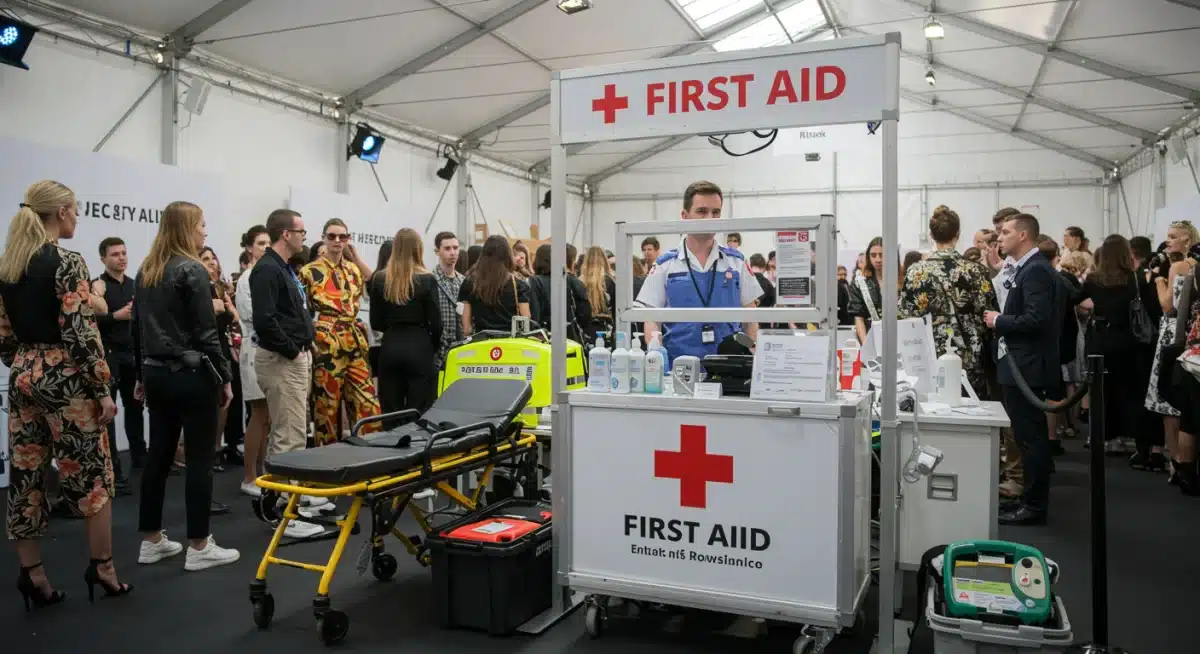
A dedicated medical presence is non-negotiable for events drawing large crowds. This team should be appropriately staffed and equipped to handle a range of medical emergencies.
- Qualified personnel: Ensure there are certified paramedics, EMTs, or nurses, with physicians on call or on-site for larger events.
- First aid stations: Strategically located and clearly marked stations stocked with essential medical supplies, including AEDs.
- Ambulance access: Clear pathways for emergency vehicles and coordination with local ambulance services for rapid transport.
- Medical records: A system for documenting all medical incidents and treatments provided, while maintaining patient confidentiality.
Consider the specific demographics of your audience; if the event caters to an older demographic or involves strenuous activities, medical provisions may need to be enhanced accordingly.
Implementing robust security measures
Security at a fashion event extends beyond simply hiring guards. It involves a multi-layered approach to protect against various threats, from petty theft to more severe security breaches.
- Visible security presence: Uniformed and plainclothes officers to deter criminal activity and respond quickly to incidents.
- Access control: Screening procedures at entry points (bag checks, metal detectors if necessary) and clear demarcation of restricted areas.
- Surveillance systems: CCTV cameras strategically placed throughout the venue, monitored by trained personnel.
- Crowd management: Strategies to prevent overcrowding in specific areas, manage queues, and direct attendee flow.
- Emergency exits: Ensuring all emergency exits are clearly marked, unobstructed, and easily accessible.
Collaboration with local law enforcement is crucial for developing and implementing these security measures, ensuring they align with local regulations and best practices. The goal is to create a secure environment without detracting from the event experience.
By prioritizing and adequately resourcing on-site medical and security provisions, organizers not only fulfill their duty of care but also significantly enhance the overall safety and enjoyment of the fashion event, thereby minimizing potential liability.
Step 6: post-event review and continuous improvement
The final, yet equally crucial, step in effective US Fashion Event Emergency Preparedness: 6 Steps to Ensure Attendee Safety and Minimize Liability is the post-event review. This phase is not about assigning blame but about learning and evolving. Every event, regardless of whether an emergency occurred, provides valuable insights that can inform and improve future preparedness strategies.
A structured review process ensures that lessons learned are captured, analyzed, and integrated into updated plans and training modules. This commitment to continuous improvement is a hallmark of responsible event management and a powerful defense against future liability.
Conducting a comprehensive debriefing
Immediately following the event, a thorough debriefing session should be conducted with all key personnel involved in emergency preparedness and response. This includes security, medical staff, venue management, and event organizers.
- Incident review: Discuss any incidents that occurred, regardless of their severity, and analyze the response.
- Performance evaluation: Assess how well staff performed their roles and responsibilities according to the emergency plan.
- System effectiveness: Evaluate the functionality of communication systems, medical equipment, and security measures.
- Feedback collection: Encourage open and honest feedback from all participants regarding challenges, successes, and areas for improvement.
The debriefing should also involve reviewing any incident reports, attendee feedback, and media coverage related to safety and security. This holistic approach ensures all perspectives are considered.
Updating plans and training protocols
The insights gathered from the debriefing are invaluable for refining your emergency preparedness framework. This iterative process is essential for maintaining a high level of readiness.
- Revise emergency plans: Incorporate new information, adjust protocols, and update contact lists based on lessons learned.
- Amend training programs: Modify training content to address identified weaknesses and reinforce successful strategies.
- Invest in new technology or equipment: Based on the review, determine if new tools or resources are needed to enhance safety.
- Share best practices: Disseminate lessons learned across different events or departments to foster a culture of safety.
By actively engaging in post-event review and committing to continuous improvement, fashion event organizers can ensure their emergency preparedness remains dynamic, relevant, and highly effective. This proactive stance not only enhances attendee safety but also significantly strengthens the organization’s position against potential liability claims, demonstrating a clear and ongoing commitment to due care.
| Key Step | Brief Description |
|---|---|
| Risk Assessment | Identify and analyze potential hazards and vulnerabilities specific to your event. |
| Emergency Plan | Develop a tailored, actionable plan with clear communication and response protocols. |
| Staff Training | Ensure all personnel are trained and regularly drilled on emergency procedures. |
| On-site Provisions | Provide adequate medical and security personnel and resources at the venue. |
Frequently asked questions about fashion event safety
Fashion events often involve unique elements like temporary structures, high-value assets, and specific crowd demographics. A tailored plan addresses these distinct vulnerabilities, ensuring a more effective and relevant response compared to generic safety protocols, thereby enhancing safety and reducing liability risks.
Emergency drills should be conducted regularly, ideally before each major event. For recurring events, annual or semi-annual drills are recommended, supplemented by refresher training sessions. This ensures staff remain proficient and familiar with their roles and the latest safety protocols.
Technology is vital, enabling rapid dissemination of information. This includes two-way radios for staff, digital signage for attendees, SMS alerts, and social media for broader updates. Redundant systems are crucial to ensure communication remains uninterrupted during critical situations, enhancing overall response efficiency.
Key considerations include the number of qualified medical personnel (EMTs, paramedics), strategically located and well-equipped first aid stations, clear ambulance access, and a system for documenting incidents. The provisions should scale with event size and attendee demographics to ensure adequate care.
A post-event review demonstrates a commitment to continuous improvement. By analyzing incidents, evaluating responses, and updating plans, organizers show due diligence in addressing safety concerns. This proactive approach strengthens their position against potential liability claims by proving a responsible and evolving safety culture.
Conclusion
Successfully orchestrating a fashion event demands not only creative vision but also an unwavering commitment to safety. By meticulously adhering to these six steps for US Fashion Event Emergency Preparedness: 6 Steps to Ensure Attendee Safety and Minimize Liability, organizers can create an environment that is both inspiring and secure. From detailed risk assessments to continuous improvement, each stage plays a vital role in protecting attendees and safeguarding the event’s reputation. Prioritizing preparedness is not merely a regulatory obligation; it is a fundamental aspect of responsible and successful event management in today’s dynamic landscape.