Outerwear Insights: Choose a Coat That Stays Stylish for 3+ Years
Advertisements
Choosing a coat that remains stylish for at least three years requires a strategic approach, focusing on timeless designs, quality craftsmanship, and versatile features that transcend fleeting trends.
Advertisements
Are you tired of investing in outerwear only for it to feel dated the very next season? The quest for a truly enduring piece is a common one. This article delves into Outerwear Insights: How to Choose a Coat That Will Stay Stylish for at Least 3 Years, guiding you through the considerations that ensure your investment pays off in lasting elegance and functionality.
Understanding Timeless Design Elements
When seeking a coat that transcends seasonal fads, the foundational principle lies in understanding and appreciating timeless design. These are the elements that have proven their staying power over decades, often centuries, and continue to be revered for their elegance and adaptability. Focusing on these aspects ensures your chosen outerwear piece remains a staple in your wardrobe, rather than a fleeting trend.
Timeless design isn’t about being boring; it’s about intentional simplicity and a focus on form and function. It means selecting silhouettes and details that have a universal appeal and don’t shout for attention, but rather exude quiet confidence. Such pieces often become more cherished with time, developing a unique character as they age.
The Power of Classic Silhouettes
Certain coat silhouettes have earned their place in the fashion hall of fame for a reason. These shapes are inherently flattering to a wide range of body types and seamlessly integrate into diverse wardrobes. Choosing one of these classic forms is the first step towards a coat with enduring style.
- The Trench Coat: Originally designed for military officers, its practical features like epaulets, storm flaps, and a belted waist have become iconic, making it suitable for both casual and formal settings.
- The Peacoat: With its double-breasted front and wide lapels, the peacoat offers a nautical-inspired robustness that is both warm and stylish, perfect for cooler climates.
- The Wrap Coat: Characterized by its relaxed yet elegant silhouette, often featuring a tie-waist, the wrap coat provides a sophisticated drape that flatters many figures and suits various occasions.
- The Chesterfield Coat: A single-breasted, formal overcoat with a velvet collar, it represents classic British tailoring and is ideal for layering over suits or more dressed-up ensembles.
Beyond these specific styles, consider coats with clean lines, minimal embellishments, and a balanced proportion. Avoid overly dramatic sleeves, exaggerated collars, or highly decorative hardware, as these details are often the first to feel dated. The goal is a coat that complements your existing wardrobe without overpowering it, serving as a versatile canvas for your personal style.
In essence, timeless design elements are the bedrock of a long-lasting stylish coat. By prioritizing classic silhouettes and understated details, you lay the groundwork for an investment piece that will serve you faithfully for years to come, consistently looking chic and appropriate regardless of current fashion whims.
The Importance of Quality Materials and Craftsmanship
Investing in a coat means investing in its longevity, and nothing dictates longevity more than the quality of its materials and the meticulousness of its craftsmanship. A coat made from superior fabrics and constructed with care will not only look better but also withstand the rigors of daily wear and the test of time. This focus on inherent quality is paramount for a coat to remain stylish for at least three years, or even much longer.
Cheaply made coats often show their age quickly, pilling, losing shape, or developing wear and tear that detracts from their appearance. A well-made coat, conversely, ages gracefully, often developing a rich patina that enhances its character. Understanding what to look for in terms of materials and construction can empower you to make a truly informed decision.
Identifying Premium Fabrics for Durability and Style
The fabric is the soul of a coat, influencing its warmth, drape, feel, and ultimately, its lifespan. Natural fibers generally offer superior performance and aesthetic appeal compared to synthetic alternatives, though well-engineered blends can also be excellent choices.
- Wool (Merino, Cashmere, Llama): Known for its warmth, breathability, and natural resistance to wrinkles and odors. High-quality wool drapes beautifully and holds its shape. Cashmere offers unparalleled softness and lightness.
- Alpaca: Similar to wool but often softer, lighter, and warmer, alpaca fibers are also naturally hypoallergenic and resistant to pilling.
- Cotton (Gabardine, Waxed Cotton): Ideal for trench coats and raincoats, gabardine is tightly woven for water resistance, while waxed cotton offers excellent weatherproofing and develops a unique character over time.
- Leather/Suede: For specific styles, genuine leather or suede offers exceptional durability and a luxurious feel, aging beautifully with proper care.
When examining fabrics, look for a tight weave, a smooth finish (unless intentionally textured), and a substantial feel. Avoid fabrics that feel thin, flimsy, or overly synthetic to the touch, as these are indicators of lower quality that won’t hold up over time. Natural fibers also tend to regulate temperature better, adding to the coat’s functional value.
Signs of Superior Craftsmanship
Beyond the fabric, the way a coat is put together speaks volumes about its quality and how long it will maintain its stylish appearance. Good craftsmanship is evident in the details, often requiring a keen eye to spot.
- Stitching: Look for even, tight, and consistent stitching throughout the garment. Loose threads, skipped stitches, or uneven seams are red flags.
- Lining: A well-constructed coat will have a full, high-quality lining that is securely sewn in, without pulling or bunching. The lining should complement the outer fabric in feel and durability.
- Buttons and Zippers: Buttons should be securely attached, preferably with a shank for durability, and made from quality materials like horn, corozo, or metal. Zippers should operate smoothly and be robust.
- Seams and Hems: Seams should lie flat and be neatly finished, often with bound or French seams for added strength. Hems should be generous and evenly stitched.
Ultimately, the combination of excellent materials and meticulous craftsmanship ensures that your coat is not just a fashion statement, but a durable, comfortable, and reliable piece of outerwear. This attention to detail guarantees that the coat will retain its structure, comfort, and aesthetic appeal, making it a truly wise investment for years of stylish wear.
Color Palette and Versatility
Choosing the right color is a critical decision when selecting a coat intended to stay stylish for at least three years. While vibrant hues and trendy patterns can be appealing in the moment, they often have a shorter shelf life in terms of enduring style. A versatile color palette ensures your coat can be effortlessly integrated into various outfits and occasions, maximizing its utility and extending its perceived relevance.
The goal is to select a color that acts as a neutral foundation, allowing other elements of your ensemble to shine. This approach makes your coat a workhorse in your wardrobe, rather than a piece that demands specific coordinating items. Think about timeless appeal over momentary excitement.
Embracing Neutral Tones for Lasting Appeal
Neutral colors are the undisputed champions of versatility. They provide a sophisticated backdrop that pairs well with virtually any other color, pattern, or texture in your wardrobe. Investing in a coat in one of these shades guarantees it will never feel out of place or out of style.
- Black: The ultimate classic. A black coat is inherently chic, formal, and slimming. It’s a safe and always stylish choice for any occasion.
- Navy: A softer alternative to black, navy offers similar versatility but with a slightly less severe feel. It pairs beautifully with denim, grays, and even brighter colors.
- Camel/Tan: Exudes warmth and sophistication. Camel coats are incredibly versatile, adding a touch of luxury to both casual and dressy outfits.
- Gray (Charcoal to Light Gray): A refined and understated choice, gray coats offer a modern elegance and pair well with both cool and warm color palettes.
- Olive Green: A more adventurous neutral, olive green can add an earthy, sophisticated touch, particularly to more casual or utilitarian styles like parkas or field jackets.
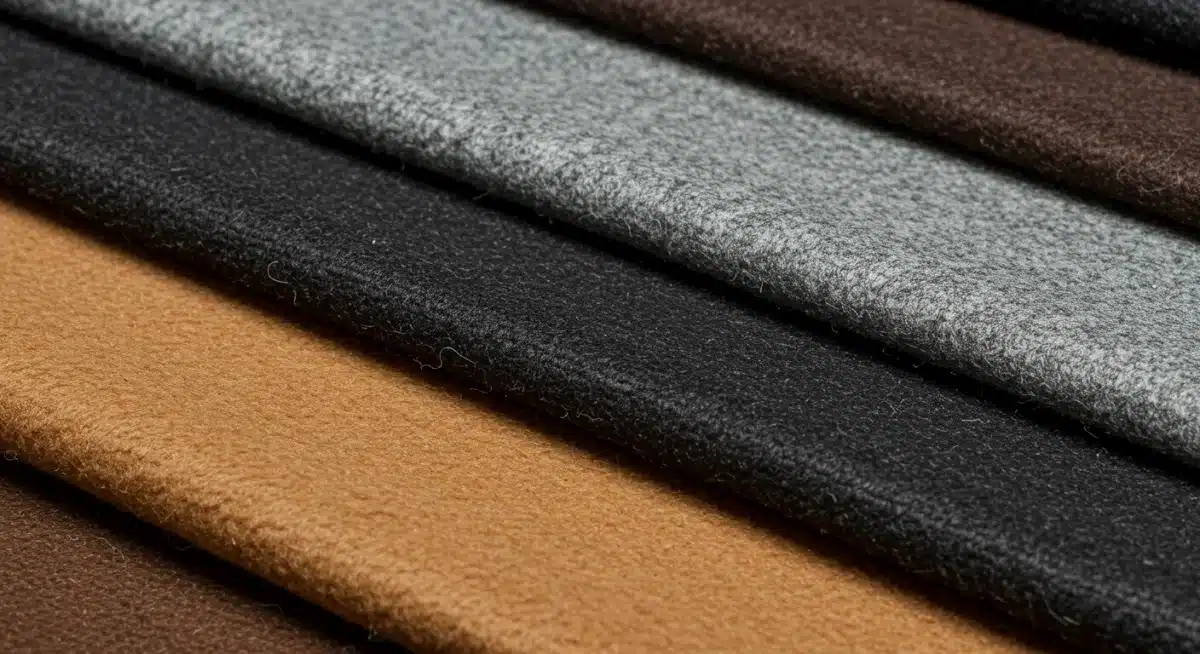
When considering neutral tones, also think about how they complement your personal skin tone. While all these colors are broadly versatile, some may be more flattering to your complexion than others. A color that enhances your natural glow will always look more stylish and purposeful.
Beyond Neutrals: Strategic Color Choices
While neutrals are a safe bet, it’s possible to choose a non-neutral color for your coat that still offers long-term style, provided you approach it strategically. The key is to opt for deep, rich, and subdued versions of colors, rather than bright or pastel shades that are more prone to seasonal trends.
- Deep Burgundy/Wine: A sophisticated and rich color that adds a touch of luxury without being overtly trendy.
- Forest Green: A deep, earthy green that feels classic and pairs surprisingly well with many other colors.
- Deep Plum: A regal and unique color that can elevate an outfit while maintaining a sense of timelessness.
These deeper, more saturated colors can serve as statement pieces that still possess significant versatility. They offer an alternative to traditional neutrals without sacrificing longevity. The overarching principle remains: choose a color that you genuinely love and that you can envision wearing confidently for many years, rather than a color chosen purely for its current popularity. This thoughtful approach to color selection is fundamental to ensuring your coat remains a stylish and cherished part of your wardrobe.
Fit and Tailoring: The Foundation of Enduring Style
Even the most expensive, beautifully designed coat can look ill-fitting and detract from your overall appearance if it doesn’t fit correctly. Fit is arguably the most crucial aspect of achieving enduring style in any garment, and outerwear is no exception. A coat that fits well not only looks more polished and sophisticated but also feels more comfortable, encouraging you to wear it frequently and confidently for years.
The ideal fit strikes a balance between comfort and structure, allowing for layering without appearing bulky, and defining your silhouette without restricting movement. Understanding the nuances of a good fit and being open to professional tailoring are key components of choosing a coat that will stay stylish for at least three years.
Achieving the Perfect Fit
A coat should fit differently than a blazer or a shirt, as it’s designed to be an outermost layer. However, there are fundamental principles that apply:
- Shoulders: The shoulder seams should align perfectly with the edge of your natural shoulders. This is the hardest part of a coat to alter, so prioritize getting this right when purchasing.
- Sleeve Length: Sleeves should typically end just at the wrist bone, allowing about half an inch of your shirt cuff to show if you’re wearing one. Too long or too short sleeves can make a coat look sloppy or ill-proportioned.
- Torso/Chest: The coat should be comfortable enough to button or zip without pulling, even when wearing a sweater underneath. It shouldn’t feel too tight across the chest or back, nor should it be excessively baggy.
- Length: The ideal length varies by coat style, but generally, a versatile coat will fall anywhere from mid-thigh to just below the knee. Consider your height and how you plan to wear the coat when evaluating length.
When trying on coats, always wear the type of clothing you’d typically layer underneath it – a sweater, a blazer, or heavier knitwear. This will give you the most accurate assessment of the fit and ensure you have adequate room for movement and comfort.
The Value of Professional Tailoring
It’s rare to find a coat off the rack that fits absolutely perfectly in every dimension. This is where the magic of a good tailor comes in. Professional tailoring can transform a good coat into a great one, customizing it to your unique body shape and ensuring it looks bespoke.
- Sleeve Adjustments: Shortening or lengthening sleeves is a common and relatively inexpensive alteration that can significantly improve the coat’s appearance.
- Waist Suppression: Taking in the side seams to create a more defined waist can give a coat a much more flattering and modern silhouette.
- Hemming: Adjusting the overall length of the coat can ensure it hits at the most flattering point for your height and preferred style.
- Minor Shoulder Adjustments: While major shoulder alterations are complex, a good tailor can sometimes make small adjustments to improve the drape.
View tailoring as an integral part of the coat investment. A small additional cost for alterations can dramatically enhance the longevity of the coat’s stylish appeal, making it feel custom-made for you. A perfectly fitted coat not only boosts your confidence but also projects an image of meticulous attention to detail, cementing its status as a lasting and stylish wardrobe piece.
Versatility for Different Occasions and Seasons
A truly stylish coat that endures for years isn’t just about its aesthetic appeal; it’s also about its functional versatility. The ability of a single coat to adapt to various occasions, climates, and personal styles significantly enhances its value and ensures it remains a go-to piece in your wardrobe. When making your selection, consider how the coat will integrate into your lifestyle and the diverse demands of your calendar.
The goal is to find a coat that can transition seamlessly from formal events to casual outings, from crisp autumn days to colder winter months (perhaps with strategic layering). This adaptability is a hallmark of intelligent fashion investment and a key factor in a coat’s long-term stylishness.
Transitional Styling: Day to Night, Casual to Formal
The best coats are chameleons, capable of elevating a simple outfit or complementing a sophisticated one. Look for features that lend themselves to this kind of flexibility:
- Clean Lines and Minimalist Design: Coats without excessive embellishments or trendy details are easier to dress up or down. A classic trench, for example, looks equally good over jeans and a sweater as it does over a business suit.
- Neutral Colors: As discussed, a neutral palette (black, navy, camel, gray) provides the most effortless transitions between different levels of formality and color schemes.
- Appropriate Length: A mid-thigh to knee-length coat tends to be the most versatile. Shorter coats can feel too casual for formal settings, while very long coats might be too dramatic for everyday wear.
- Detachable Elements: Some coats offer detachable linings, hoods, or belts, which can alter their appearance and functionality to suit different seasons or levels of formality.
Consider the fabric’s perceived formality. A cashmere blend will generally lean more formal than a waxed cotton, but within each fabric type, there are degrees of versatility. A well-tailored wool coat in a dark color, for instance, can work for almost any occasion.
Layering Potential for Seasonal Adaptation
For a coat to truly last for multiple years, it must be able to perform across different temperature ranges. This often comes down to its layering potential, allowing you to adjust your warmth without changing the coat itself.
- Room for Layers: Ensure there’s enough space under the coat to comfortably wear a sweater, a blazer, or even a thin down vest without feeling constricted. This is where a good fit becomes even more critical – not too tight, not too baggy.
- Breathable Fabrics: Natural fibers like wool are excellent for temperature regulation, keeping you warm without overheating, making them suitable for a wider range of conditions.
- Water Resistance: For areas with unpredictable weather, a water-resistant outer fabric (like gabardine for a trench) can extend the coat’s utility into rainy or damp conditions.
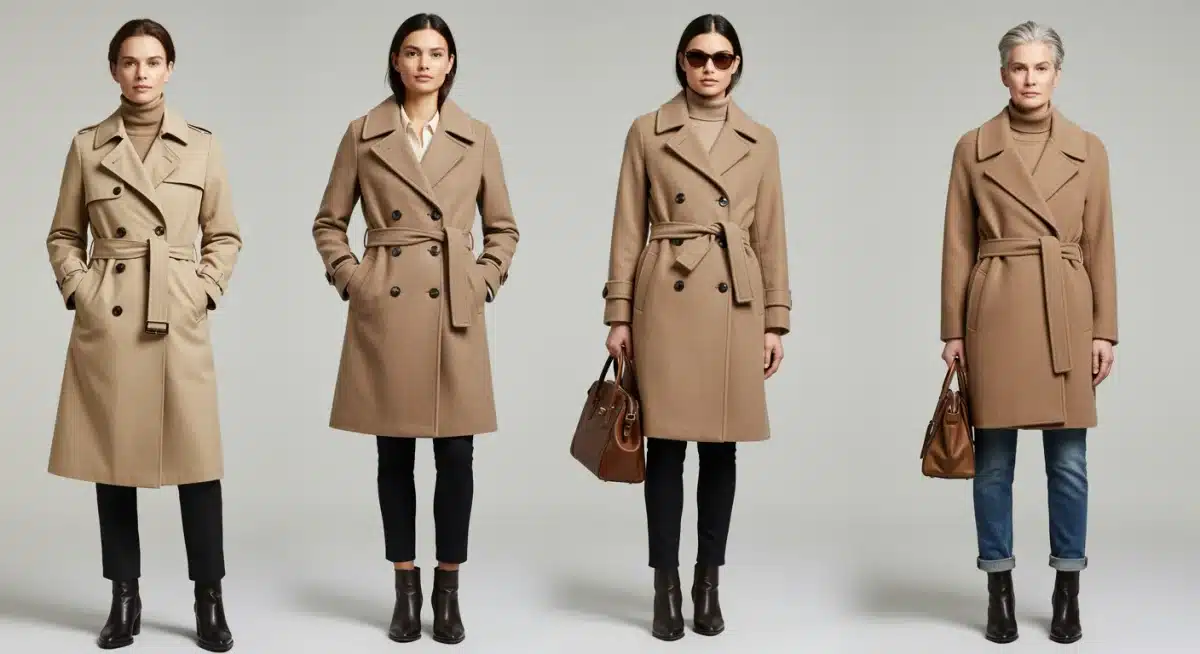
By prioritizing a coat’s versatility for both occasion and season, you ensure that it doesn’t just sit in your closet waiting for the ‘perfect’ moment. Instead, it becomes a constantly useful and stylish companion, proving its worth over and over again. This strategic approach to selection is what transforms a simple purchase into a long-term wardrobe investment.
Maintenance and Care for Longevity
Even the most perfectly chosen, high-quality coat will not stand the test of time and remain stylish without proper care and maintenance. Just like any significant investment, outerwear requires attention to preserve its appearance, structural integrity, and overall longevity. Neglecting basic care can quickly diminish a coat’s appeal, making it look worn and dated long before its time.
Understanding the specific care requirements for your coat’s material and adhering to a consistent maintenance routine are crucial steps in ensuring your outerwear piece continues to look impeccable for at least three years, and often much longer. This proactive approach not only saves you money in replacements but also keeps your coat looking its best.
Essential Care Practices for Different Fabrics
Different materials demand different care. Knowing these specifics is the first step towards preserving your coat’s quality.
- Wool and Cashmere: These natural fibers should be dry cleaned sparingly, typically once a season or when visibly soiled. Between dry cleans, use a soft brush to remove lint and debris, and air them out to refresh. Store them on a wide, padded hanger to maintain shape.
- Cotton (Trench Coats): Many cotton trench coats can be machine washed on a gentle cycle with cold water, but always check the care label. Ironing on a low setting can help maintain a crisp appearance.
- Leather and Suede: These materials require specialized care. Protect them from moisture, and use a leather conditioner periodically to prevent drying and cracking. Professional leather cleaning is recommended for deeper cleaning.
- Down-filled Coats: Typically machine washable on a gentle cycle with specific down-friendly detergents. Tumble dry on low with tennis balls to fluff the down.
Always refer to the care label inside your coat, as manufacturers provide the most accurate instructions for their specific product. When in doubt, consult a professional dry cleaner who specializes in delicate fabrics and outerwear.
Proper Storage and Minor Repairs
Beyond cleaning, how you store and maintain your coat between wears and seasons plays a significant role in its longevity.
- Hanging: Always hang your coat on a sturdy, broad-shouldered hanger that supports its weight and maintains its shape. Wire hangers can distort the shoulders over time.
- Seasonal Storage: For off-season storage, ensure the coat is clean and completely dry. Store it in a breathable garment bag (avoid plastic, which can trap moisture) in a cool, dry place away from direct sunlight. Consider using cedar blocks or sachets to deter moths.
- Spot Cleaning: Address spills and minor stains immediately with a damp cloth and mild soap, if appropriate for the fabric, to prevent them from setting.
- Button and Seam Checks: Periodically inspect buttons for looseness and seams for any signs of fraying. A quick stitch can prevent a small issue from becoming a larger, more costly repair.
- Professional Repairs: Don’t hesitate to take your coat to a tailor for minor repairs like reattaching a lining, mending a tear, or replacing a zipper. Addressing these issues promptly prevents further damage and keeps your coat looking polished.
By adopting these diligent care and maintenance practices, you not only preserve the physical condition of your coat but also its aesthetic appeal. A well-cared-for coat always looks more stylish and expensive, ensuring your initial investment continues to pay dividends in elegance and functionality for many years.
Personal Style and Confidence
While objective factors like timeless design, quality materials, and proper fit are crucial for a coat to remain stylish for years, the ultimate determinant is how well it aligns with your personal style and, consequently, how confidently you wear it. A coat that feels authentic to you will always look better and last longer in your wardrobe than one chosen purely for its trendiness or perceived status.
Your personal style is a reflection of who you are, and your outerwear should amplify that. When you feel good in what you’re wearing, it translates into an undeniable aura of confidence, making any garment, especially a coat, appear effortlessly chic and enduringly stylish.
Connecting with Your Signature Look
Before committing to a coat, take time to understand your own aesthetic. What colors do you naturally gravitate towards? What silhouettes flatter your body? What is your typical daily attire? A coat should complement and elevate your existing wardrobe, not clash with it or force you into an uncomfortable style persona.
- Reflect on Your Wardrobe: Analyze the dominant colors, fabrics, and styles already present in your closet. Choose a coat that can easily integrate with at least 80% of your current pieces.
- Consider Your Lifestyle: Are you mostly commuting in an urban environment, working from home, or spending weekends outdoors? Your lifestyle dictates the practical needs of your coat (e.g., warmth, water resistance, formality).
- Body Shape and Proportions: Understand what coat styles best flatter your body type. For instance, an A-line coat can balance wider hips, while a belted coat can define a waist.
- Comfort is Key: If a coat isn’t comfortable, you won’t wear it. Ensure it allows for natural movement and feels good against your skin, even with layers underneath.
A coat that genuinely resonates with your personal taste will be worn more often and with greater conviction. This frequent wear, combined with proper care, makes it a true staple rather than an occasional piece.
The Undeniable Impact of Confidence
Fashion is often about perception, and confidence is the most powerful accessory. When you wear a coat that makes you feel good, it shows. This intrinsic feeling of self-assurance elevates the garment itself, making it appear more sophisticated and stylish, regardless of current trends.
- Own Your Choice: Once you’ve selected a coat, wear it with pride. Don’t second-guess your decision based on what others are wearing or what’s currently in vogue.
- Accessorize Thoughtfully: Simple, classic accessories like a quality scarf, leather gloves, or a well-chosen bag can refresh the look of your coat season after season without requiring a new purchase.
- Maintain Impeccable Presentation: A clean, well-pressed, and properly fitted coat always looks better. Attention to these details contributes significantly to the overall confident impression.
- Let Your Personality Shine: Use your coat as a backdrop for your unique personality. Whether it’s through a pop of color in an accessory or the way you carry yourself, let your individuality be the defining stylish element.
Ultimately, a coat that stays stylish for at least three years is one that you love, that fits you well, and that you wear with unwavering confidence. It transcends fleeting fashion cycles because it becomes an authentic extension of your personal brand. By prioritizing your own style and comfort, you ensure your outerwear investment is not just practical, but also deeply satisfying and enduringly chic.
Ethical and Sustainable Considerations
In today’s conscious consumer landscape, choosing a coat that stays stylish for multiple years also aligns with ethical and sustainable consumption practices. Fast fashion’s rapid cycles contribute significantly to waste and environmental concerns. By investing in a high-quality, timeless coat, you are actively participating in a more sustainable approach to fashion, reducing your carbon footprint, and supporting brands that prioritize longevity and responsible production.
This consideration adds another layer of value to your purchase, transforming it from a mere fashion item into a statement of your values. A coat chosen with ethical and sustainable factors in mind not only looks good but also does good, contributing to a more mindful wardrobe.
Reducing Environmental Impact with Thoughtful Choices
The fashion industry is a major polluter, from resource extraction to manufacturing waste. Opting for a durable coat directly combats this cycle of consumption.
- Longevity Over Quantity: Buying one high-quality coat that lasts for years reduces the need for frequent replacements, thereby decreasing overall production and waste.
- Sustainable Materials: Look for coats made from recycled materials, organic cotton, ethically sourced wool (e.g., RWS certified), or innovative new sustainable fabrics.
- Responsible Manufacturing: Support brands that are transparent about their supply chains and demonstrate commitment to fair labor practices and reduced environmental impact in their factories.
- Repair and Reuse: By choosing a coat that is well-made and designed to be repairable, you extend its life cycle and keep it out of landfills.
Before purchasing, a quick search for a brand’s sustainability report or ethical certifications can provide valuable insights. Many reputable brands are now making their commitments to responsible practices widely known.
Investing in Timelessness as a Form of Sustainability
The very act of choosing a timelessly stylish coat is, in itself, a sustainable decision. Trends come and go, but classic designs possess an inherent resistance to obsolescence. This reduces the emotional and practical pressure to constantly update your wardrobe.
- Timeless Design Reduces Obsolescence: A classic silhouette in a neutral color doesn’t succumb to fleeting trends, ensuring it remains relevant and desirable season after season.
- Higher Quality, Less Waste: Quality materials and craftsmanship mean the coat is built to last, preventing premature wear and tear that would necessitate early disposal.
- Versatility Maximizes Use: A versatile coat that can be worn in many different contexts and seasons is used more frequently, reducing the per-wear environmental cost.
- Promoting a Circular Economy: By investing in durable goods, you contribute to a circular economy where products are valued for their longevity and potential for repair or recycling, rather than being quickly discarded.
Choosing a coat with ethical and sustainable considerations in mind is a powerful way to align your personal style with your values. It’s a conscious decision to invest in quality, timelessness, and responsibility, ensuring your outerwear not only stays stylish for at least three years but also contributes positively to a more sustainable future for fashion.
| Key Aspect | Description for Longevity |
|---|---|
| Timeless Design | Focus on classic silhouettes and minimal embellishments to avoid fleeting trends. |
| Quality Materials | Prioritize natural fibers like wool or cashmere for durability, warmth, and graceful aging. |
| Perfect Fit | Ensure proper shoulder alignment and sleeve length, utilizing tailoring for a bespoke look. |
| Proper Maintenance | Follow care labels, store correctly, and perform minor repairs to preserve appearance. |
Frequently Asked Questions About Long-Lasting Coats
The most timeless coat styles include the trench coat, peacoat, wrap coat, and Chesterfield. These silhouettes have proven their enduring appeal over decades, offering versatility and elegance that transcend seasonal fashion trends. They pair well with both casual and formal attire, making them excellent long-term investments.
For longevity, prioritize natural fibers like high-quality wool (merino, cashmere, alpaca) or durable cotton blends (gabardine). These materials offer superior warmth, breathability, and resistance to wear and tear. They also tend to age gracefully, maintaining their aesthetic appeal and structural integrity for many years with proper care.
Fit is paramount. A well-fitting coat instantly elevates its stylishness, regardless of its price or brand. Ensure the shoulders align, sleeves are the correct length, and there’s comfortable room for layering without excess bulk. Professional tailoring can customize an off-the-rack coat to your unique body, significantly enhancing its lasting appeal.
Neutral colors are ideal for versatility and longevity. Black, navy, camel/tan, and various shades of gray are excellent choices as they pair effortlessly with almost any outfit and never go out of style. Deep, rich hues like burgundy or forest green can also be versatile if they align with your personal color palette.
Proper care is essential. Regular cleaning according to fabric instructions, correct storage on broad hangers, and timely minor repairs prevent wear and tear, pilling, and loss of shape. A well-maintained coat retains its fresh, polished appearance, ensuring it continues to look stylish and expensive for many years, reflecting a wise investment.
Conclusion
Choosing a coat that will stay stylish for at least three years is not merely about following trends; it’s a strategic investment in timeless design, superior quality, and personal expression. By prioritizing classic silhouettes, high-grade materials, and an impeccable fit, you lay the groundwork for outerwear that transcends fleeting fads. Coupled with diligent care and a commitment to personal style, your chosen coat will not only provide warmth and comfort but also serve as a consistent emblem of elegance and thoughtful consumption. Embrace these insights, and your next coat purchase will be a cherished, long-lasting addition to your wardrobe.