
How CFDA Fashion Awards shape everyday clothing
Advertisement
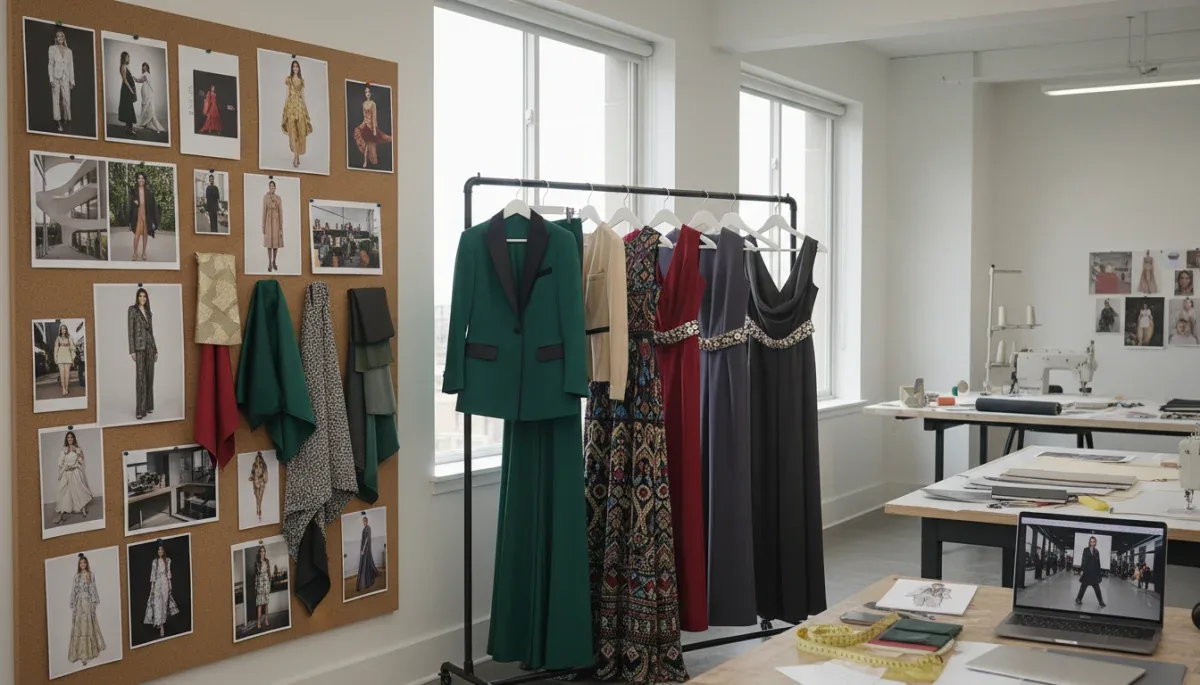
The Council of Fashion Designers of America awards directly shape mainstream clothing collections by spotlighting silhouettes, color palettes, and fabric directions that commercial apparel brands adapt for high-volume retail. When the trade association honors specific designers, product development teams at mass-market retailers analyze those winning collections to determine what everyday shoppers will want on store racks in upcoming seasons.
This translation process helps budget-conscious consumers access contemporary American fashion aesthetics without paying luxury showroom prices, though commercial versions inevitably exchange custom textiles and artisanal construction for affordable synthetic fibers and streamlined factory stitching. Understanding this movement from the podium to the department store enables smart shoppers to anticipate wardrobe shifts, identify long-term fashion investments, and spot commercial adaptations of runway tailoring early.
How the awards act as a trend forecast for retail buyers
The annual awards ceremony operates as far more than a red carpet celebration for celebrities and elite fashion figures. For commercial apparel manufacturers, wholesale merchandisers, and high-volume department store buyers, the winners and nominees provide an authoritative road map for consumer demand. The CFDA fashion awards influence the commercial market by establishing which creative risks have earned critical validation. Retail buyers look to these honors to decide which shapes, hemlines, and structural details deserve large factory orders.
Advertisement
When an independent designer receives an award such as Womenswear Designer of the Year or Menswear Designer of the Year, their presentation signals a shift in design momentum. Mass-market retailers employ trend forecasting agencies and in-house sourcing managers who track these specific industry achievements. These commercial teams evaluate runway samples to distinguish between theatrical presentation pieces and commercially viable garment patterns that can be produced at scale.
Mainstream brands do not reproduce the exact garments seen on the red carpet or the award stage. Instead, they deconstruct the underlying design principles. If a winning collection emphasizes exaggerated lapels, slouchy trousers, or deconstructed shirting, mainstream apparel brands begin drafting patterns that incorporate softened, wearable versions of those exact features. The critical acclaim of the award validates the style, assuring retail executives that mainstream consumers will respond positively to the aesthetic once it reaches shopping centers and online storefronts.
Translating red carpet tailoring into affordable workwear
Tailoring represents one of the most prominent categories where the awards ceremony impacts regular consumers. Modern workwear consistently reflects changes introduced by American tailoring innovators who gain industry recognition. When designers who specialize in unstructured blazers, wide-leg trousers, or relaxed suiting receive top honors, the corporate clothing market responds with immediate adjustments to its seasonal catalogs.
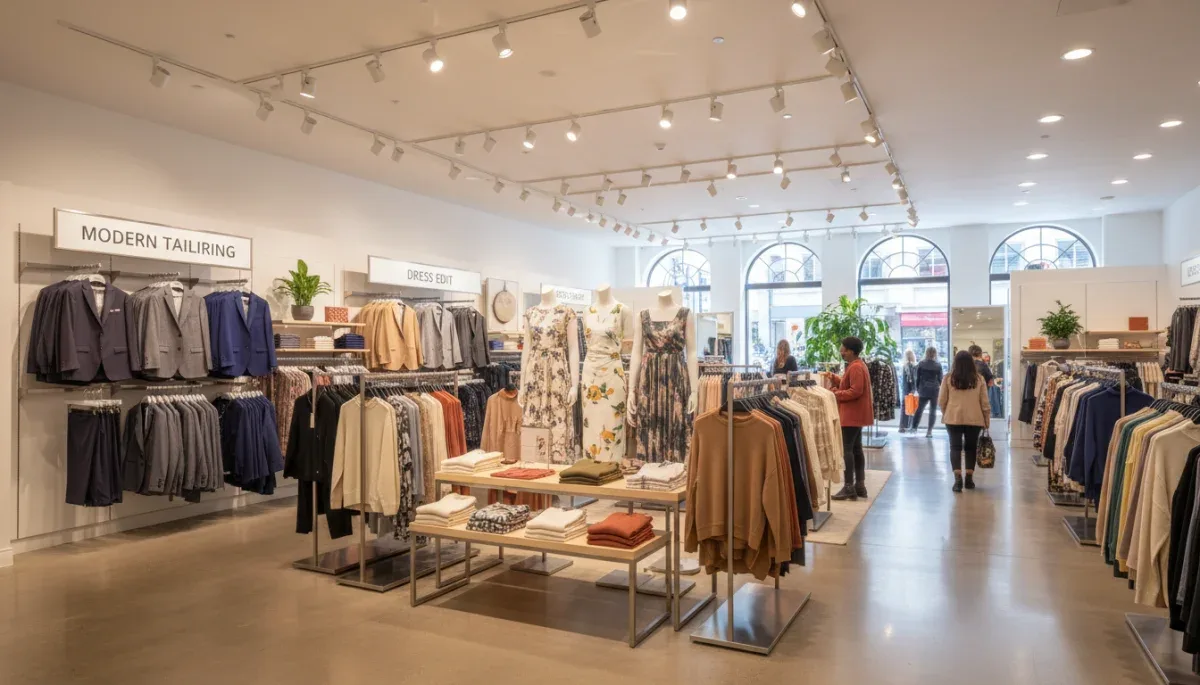
The process of converting luxury bespoke suiting into everyday office attire requires significant engineering adjustments by commercial brands. Pattern makers take the broad proportions introduced by award-winning designers and modify the measurements so the garments fit standard standardized sizing charts. This ensures that the clothing appeals to a broad demographic while retaining the stylish attitude established by the original designer collection.
Key adjustments in commercial suit manufacturing
- Replacing hand-canvased chest pieces with fused interlinings to lower production costs and reduce garment weight.
- Swapping delicate virgin wool and silk blends for resilient polyester-rayon fabrics that allow machine washing.
- Adjusting extreme oversized sleeve lengths and dropped shoulders to practical dimensions suitable for standard office environments.
- Simplifying complex pocket placements and custom horn buttons into standardized, cost-effective garment trims.
Through these careful manufacturing compromises, shoppers can purchase suits at standard apparel chains that reflect the relaxed, modern posture established by the industry's most celebrated designers. The resulting commercial garments maintain the fashionable silhouette of high-end tailoring while fitting real-world budgets and daily wear demands.
The impact of emerging designer categories on street style
The CFDA awards category for emerging talent serves as a reliable preview of future street fashion. Up-and-coming designers frequently work without the commercial constraints of legacy fashion houses, allowing them to experiment with casual wear, utilitarian workwear, and modern casual layering. When these emerging creators earn industry accolades, fast-turnaround apparel brands closely examine their presentations to identify fresh silhouettes for casual wardrobes.
Casual collections in retail chains often introduce innovative details directly borrowed from emerging award winners. Elements like asymmetrical cargo pockets, contrast topstitching, drop-tail hems, and modular drawstring features typically debut in limited-run artisanal collections before finding their way into mainstream casual wear. Because emerging designers tend to blend athletic comfort with structured tailoring, commercial brands find their work exceptionally adaptable for everyday casual garments.
The influence is especially noticeable in denim collections, casual jackets, and contemporary loungewear. Mass-market brands frequently release capsule collections that mirror the proportion play of emerging nominees. By observing which young creators receive formal recognition, observant consumers can anticipate changes in casual proportions, such as the shift from narrow jeans to relaxed utility trousers, months before these items dominate suburban retail displays.
How color palettes and fabric trends trickle down to mass retail
The CFDA fashion awards influence consumer clothing by standardizing seasonal color palettes and textile finishes across commercial production runs. While textile mills develop color projections years in advance, the visual impact of an awards ceremony solidifies which shades capture consumer imagination. When multiple nominees present garments in unexpected hues, such as deep olive, brushed saffron, or saturated cerulean, retail colorists take notice.
Fabric choices similarly move from prestigious award stages to commercial fabric mills. High-end designers often introduce custom jacquards, heavy rib knits, or specialized crinkled textiles in their award-winning showcases. Once these textures receive broad media attention, commercial fabric mills in major textile centers engineer lower-cost synthetic approximations that deliver a similar visual hand feel at a fraction of the raw material cost.
This material transition follows a predictable retail cycle. A texture that appears in a luxury cashmere blend on an award nominee's runway will typically emerge as an acrylic-cotton blend in high-street knitwear approximately twelve to eighteen months later. Mainstream shoppers gain access to the visual depth and rich tactile interest of designer clothing while enjoying materials that resist shrinking and simplify garment laundering.
Commercial partnerships between award winners and department stores
Beyond indirect trend diffusion, the awards frequently trigger direct commercial collaborations between celebrated designers and major retail chains. Large American department stores and mass-merchandise corporations frequently sponsor the event or partner with the organization to identify design talent for limited-edition collaborative collections. These partnerships represent the most explicit connection between runway prestige and accessible clothing racks.
Through these collaborative programs, an award-winning designer signs a licensing agreement to create an exclusive collection for a commercial retailer. The designer provides the creative direction, garment sketches, and signature design motifs, while the retail corporation handles fabric sourcing, global supply chain logistics, and high-volume store distribution. This structure allows the retailer to offer genuine designer signatures at everyday price points.
For budget-focused shoppers, these collections provide a direct route to owning designer aesthetic concepts without paying secondary market markups. The garments are manufactured using commercial production lines, meaning that while the silhouette and detailing carry designer authenticity, the retail pricing remains aligned with standard store offerings. These capsule lines frequently sell out quickly, demonstrating the powerful commercial appeal of formal industry recognition.
Evaluating construction differences between luxury and high street
While the design language of award winners spreads rapidly across commercial fashion, the structural integrity of the garments inevitably differs. Understanding the physical differences between an award-winning runway piece and an accessible commercial adaptation allows shoppers to make informed purchasing choices. When mainstream brands produce high-volume versions of complex designer pieces, they must alter manufacturing methods to meet retail profit margins.
Luxury garments featured at industry ceremonies rely heavily on internal handwork, generous seam allowances, French seams, and natural textile fibers that drape organically. Commercial adaptations rely on industrial overlock stitching, narrow allowances, and chemical fabric stabilizers that produce a clean appearance on the hanger but may respond differently to repeated washing. Knowing where these shortcuts occur helps consumers choose the best-made items on commercial racks.
What to inspect in commercial designer-inspired clothing
- Seam allowances: Check whether the garment includes sufficient internal fabric along the seams to permit alterations or prevent fraying over time.
- Pattern matching: Look at side seams and pockets to see if plaid, stripe, or geometric patterns align cleanly across separate garment panels.
- Hardware quality: Examine whether zippers and snap closures are made of solid metal or lightweight coated plastic that may bend under tension.
- Lining materials: Check if jackets and skirts feature breathable linings that allow natural movement, rather than stiff synthetic sheets that trap heat.
By evaluating these technical construction points, shoppers can identify mainstream retail pieces that capture the elevated look of award-winning fashion while offering solid everyday durability and fair value for the purchase price.
At a glance
| Fashion factor | What to know |
|---|---|
| Trend timeline | Garment styles recognized at the awards typically reach mainstream retail stores within twelve to eighteen months. |
| Tailoring adaptations | Commercial suits replace hand-canvased luxury wool with machine-stitched blends to lower consumer prices. |
| Retail collaborations | Department stores partner directly with honored designers to produce limited-edition accessible clothing lines. |
| Fabric substitutions | Natural silks, cashmeres, and custom weaves are translated into machine-washable cotton and polyester blends. |
Frequently asked questions
What are the CFDA Fashion Awards?
The CFDA Fashion Awards are annual honors presented by the Council of Fashion Designers of America to recognize outstanding achievements in American apparel and accessory design. The event highlights leading creative directors, emerging talent, and industry innovators who shape modern style directions.
How fast do runway trends reach everyday stores?
Runway trends typically reach everyday stores within twelve to eighteen months through traditional retail manufacturing cycles. Fast-turnaround commercial brands can sometimes produce basic adaptations, such as color trends or simple tops, in as few as three to six months.
Do mainstream retailers copy award-winning garments directly?
Mainstream retailers rarely copy garments directly due to copyright considerations and practical manufacturing limitations. Instead, commercial design teams adapt broader design concepts, such as altered sleeve shapes, waistline placements, color schemes, and textile textures, for everyday wear.
Are designer retail collaborations the same quality as runway pieces?
Designer retail collaborations do not feature the same quality as runway pieces because they use commercial production methods and accessible fabrics. However, they provide the authentic silhouette and styling vision of the designer at a fraction of standard luxury prices.
The bottom line
The annual awards ceremony serves as an essential engine for American retail fashion, transforming high-concept runway designs into practical garments for everyday wardrobes. While commercial adaptations use more affordable fabrics and standardized assembly methods, they allow style-conscious shoppers to wear modern silhouettes at realistic prices. Before purchasing any trend-driven piece inspired by current designer movements, examine the interior seams and fabric content label to ensure the garment offers lasting construction alongside its contemporary look.
Written by
Rita Luiza
Rita Luiza writes about US fashion events, seasonal fashion trends and budget fashion tips for news4shein.com. Each article explains how things work, compares published details such as prices, policies and program rules, and points readers to the official source before they decide.