

Natural Fibers or Synthetic Blends: How to Read Clothing Tags
Advertisement
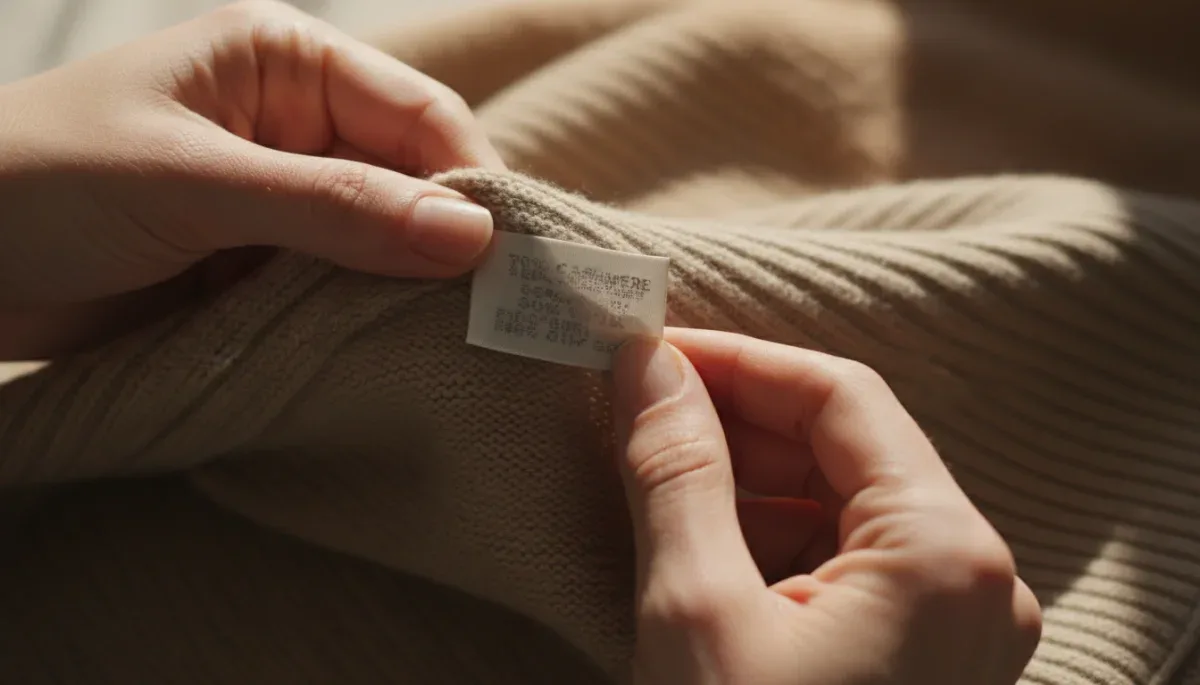
Checking fabric blend garment tags before buying an item is the most reliable way to determine how a piece of clothing will feel, drape, and hold up over repeated washes. This habit helps budget-conscious shoppers avoid garments that pill quickly, trap body heat, or lose their shape after a single laundry cycle, though it requires taking extra time to read the interior seam labels that fast-fashion retailers often downplay on product pages.
Federal law in the United States, enforced by the Federal Trade Commission through the Textile Fiber Products Identification Act, requires every piece of apparel sold commercially to list its fiber content by generic name in descending order of weight. Understanding what these fiber percentages mean in practical daily wear allows you to identify well-constructed staples, spot deceptive marketing terms, and select the right balance of breathability, stretch, and structural durability for your wardrobe budget.
Understanding the legal rules behind clothing labels
The Federal Trade Commission requires manufacturers to list all fibers representing 5 percent or more of a garment's total weight on a permanently attached care label. Fibers that make up less than 5 percent can legally be grouped under the label of other fiber, unless they perform a specific structural function such as spandex providing elastic recovery or metallic fibers offering decorative stability. This regulatory requirement ensures that brands cannot hide cheap filler materials behind vague promotional marketing.
Advertisement
Clothing manufacturers frequently use proprietary trade names on hangtags and promotional banners to make synthetic materials sound like premium innovations. A swing tag might advertise soft touch modal or performance fleece, but the sewn-in label must legally state the standard generic term, such as rayon, polyester, or acrylic. Checking the sewn-in tag reveals whether an expensive-looking fabric is simply standard synthetic fiber sold at a higher markup.
Care labels also disclose the country of origin and specific washing instructions required to maintain the garment. If a garment tag lists dry clean only for a basic synthetic blend, it often signals that the manufacturer used unstable dyes, fragile bonding glues, or low-grade stitching that cannot withstand basic home water immersion. Reading these details before checkout prevents unexpected long-term maintenance costs that ruin clothing budgets.
The strengths and limitations of common natural fibers
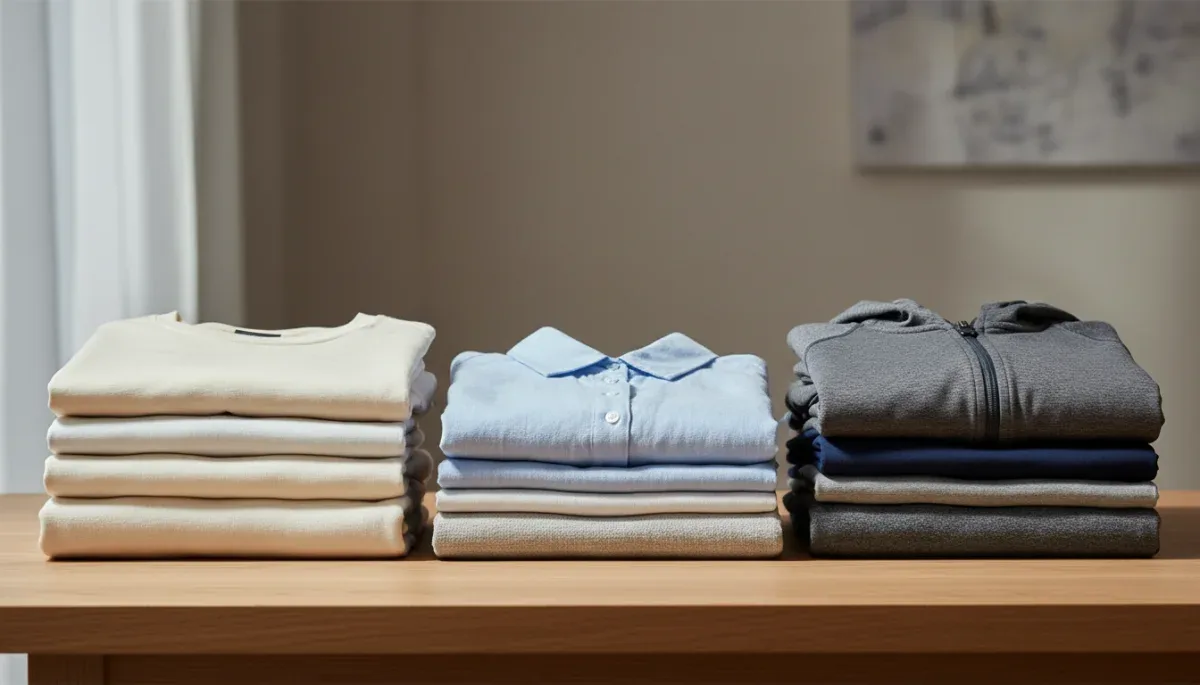
Natural fibers come directly from plant or animal sources, offering distinct textures and natural thermoregulation that synthetic materials rarely replicate. These fibers absorb moisture away from the skin, allow air to circulate freely through the weave, and tend to release odors easily during normal wash cycles. However, pure natural fabrics often come with higher initial price points and specific laundering requirements to prevent shrinkage or excessive wrinkling.
Common natural fibers found on budget garment tags
- Cotton: A soft, durable plant fiber that offers high breathability, simple machine-wash care, and reliable tear resistance, though lower-grade cotton is prone to shrinking and fading over time.
- Linen: Made from flax plant fibers, linen provides exceptional cooling in hot weather and grows softer with each wash, but it lacks elasticity and wrinkles instantly.
- Wool: Sourced from sheep and other animals, wool regulates temperature in both cold and warm environments, repels water naturally, and resists odors, but it requires gentle hand washing or specialized cycles to avoid felting.
- Silk: A smooth protein fiber produced by silkworms that offers high tensile strength and natural luster, though it is vulnerable to sweat stains, heat damage, and abrasion.
When assessing natural fibers on a budget, fiber staple length determines long-term garment lifespan. Long-staple cotton fibers produce smooth, resilient yarns that resist pilling, while short-staple cotton produces fuzzy, weaker yarns that develop holes quickly. While tags do not explicitly state staple length, a 100 percent cotton label on an unusually thin, scratchy shirt usually indicates low-grade, short-staple processing.
How synthetic fibers function in modern garment blends
Synthetic fibers are chemically manufactured polymers derived primarily from petroleum byproducts. These materials were developed to provide high tensile strength, resistance to wrinkling, rapid drying times, and low production costs. When used strategically in moderate percentages, synthetics enhance the practical performance and longevity of natural fibers without sacrificing wearer comfort.
Key synthetic fibers and their primary functions
- Polyester: A durable polymer that resists shrinking, stretching, and wrinkling, making it ideal for maintaining garment structure, though it traps body odors and creates static cling.
- Nylon (Polyamide): An exceptionally strong, abrasion-resistant synthetic fiber used in outerwear, activewear, and hosiery to provide durability without adding significant fabric weight.
- Acrylic: A lightweight synthetic alternative to wool that provides warmth at a very low cost, but it pills rapidly and offers poor air circulation.
- Elastane (Spandex or Lycra): A synthetic polyurethane fiber capable of stretching up to several times its length and snapping back into place, providing comfort in fitted garments.
The primary drawback of synthetic fibers in cheap clothing is their hydrophobic nature. Synthetics repel water, which means they do not absorb perspiration; instead, they trap moisture against the skin and hold onto lipid-based body oils. These trapped oils create an ideal environment for odor-causing bacteria, which often remain embedded in polyester fibers even after thorough washing.
Analyzing semi-synthetic and regenerated cellulosic fibers
Semi-synthetic fibers occupy a middle ground between natural and petroleum-based materials. These fabrics begin as natural plant cellulose, typically harvested from wood pulp, bamboo, or cotton linters, which is then chemically dissolved and extruded into continuous filament threads. While marketing materials frequently highlight their plant origins, the chemical processing involved places them in the regenerated cellulosic category.
Rayon, also called viscose, is the most common regenerated fiber found in affordable fashion. It drapes fluidly, feels cool against the skin, and accepts vibrant dyes exceptionally well. However, standard viscose loses over half of its structural strength when wet, making it highly susceptible to tearing, stretching out of shape, and shrinking in standard washing machines.
Advanced regenerated fibers like modal and lyocell (often marketed under the brand name Tencel) use closed-loop manufacturing processes that yield much stronger fibers than traditional rayon. Garment tags listing lyocell or modal indicate better dimensional stability and softer hand-feel than standard viscose. These fibers provide excellent breathability and moisture management, making them valuable additions to cotton blends for summer dresses, shirts, and lightweight knitwear.
Identifying optimal fiber blend ratios for everyday wear
A blended fabric combines two or more distinct fibers into a single yarn or weave, aiming to harness the benefits of each component while minimizing their individual weaknesses. A pure fiber is not automatically superior to a blend; rather, the precise percentage distribution determines whether a garment will hold its shape or become unwearable after a few weeks.
Practical fiber ratios to look for on garment tags
- Cotton and elastane (95% to 98% cotton, 2% to 5% elastane): Ideal for jeans, t-shirts, and fitted garments, providing natural breathability with just enough elasticity to prevent bagging at the knees and elbows.
- Cotton and polyester (60% to 70% cotton, 30% to 40% polyester): A balanced blend for everyday hoodies, casual pants, and work shirts, offering good breathability alongside enhanced wrinkle resistance and faster drying times.
- Wool and nylon (70% to 80% wool, 20% to 30% nylon): Common in quality budget coats and socks, where nylon reinforces the wool to prevent thinning at friction points without sacrificing warmth.
- Linen and cotton (50% to 55% linen, 45% to 50% cotton): Provides the airy, textured look of linen with reduced wrinkling and a softer initial drape at a more accessible price point.
Problems arise when synthetic percentages dominate garments intended for breathability or when blends combine fibers with opposing care needs. A garment made of 80 percent acrylic and 20 percent wool will behave almost entirely like synthetic acrylic, trapping sweat and shedding microfibers. Similarly, blends containing high percentages of polyester combined with low-grade rayon often pill aggressively because the strong polyester fibers anchor broken rayon threads to the surface.
Red flags to watch for when inspecting clothing tags
Evaluating the fiber list alongside the construction details gives you an immediate picture of quality. Certain fiber combinations and tag designations serve as clear warning signs that a garment was engineered for rapid turnover rather than long-term durability. Identifying these red flags prevents wasted spending on clothing that quickly ends up in the donation pile.
One major warning sign is any garment containing more than 5 percent elastane or spandex in woven fabrics like denim or trousers. While high elasticity feels comfortable in the fitting room, excess elastane degrades quickly when exposed to body heat, laundry friction, and household dryers. Over time, the internal elastic fibers snap, resulting in rippled seams, wavy zipper lines, and permanent sagging around the seat and waistband.
Another red flag is the presence of high acrylic content in heavy knitwear such as sweaters and cardigans. Acrylic yarns mimic the loft and warmth of wool at a fraction of the manufacturing cost, but the smooth plastic filaments lack natural crimp and elasticity. Acrylic knits tend to develop severe surface fuzz and large pills after minimal wear, and they cannot be ironed or steamed without permanently flattening the fabric structure.
At a glance
| Fabric blend factor | What to check on garment tags |
|---|---|
| Dominant fiber type | Ensure the primary fiber aligns with the garment's purpose, such as high natural content for breathability or targeted synthetics for durability. |
| Stretch percentage | Keep elastane or spandex between 1 and 4 percent to prevent irreversible sagging and seam warping. |
| Synthetic knit content | Avoid sweaters dominated by acrylic unless you are prepared for rapid surface pilling and static buildup. |
| Washing requirements | Check for dry clean only warnings on basic synthetic blends, which often indicate fragile glues or unstable dye processes. |
Frequently asked questions
Are 100 percent natural fabrics always better than synthetic blends?
Pure natural fabrics offer superior breathability and odor resistance, but they are not always ideal for every garment. Small additions of synthetic fibers like nylon or elastane add crucial structural strength, tear resistance, and shape recovery to everyday items like socks, activewear, and fitted jeans.
Why do some polyester garments feel soft while others feel rough?
Polyester softness depends on the yarn extrusion process and fiber thickness. Microfiber polyester uses extremely fine filaments that feel soft and silky to the touch, whereas standard coarse polyester filaments produce stiff, scratchy fabrics commonly found in cheap budget apparel.
How does fabric composition affect garment pilling over time?
Pilling occurs when weak fibers break from friction and become tangled into balls by stronger neighboring fibers. Blends combining weak fibers like low-grade rayon or acrylic with tough polyester yarns produce severe pilling because the polyester holds onto the tangled fuzz indefinitely.
What should you check on tags for summer clothing?
Look for tags showing high percentages of cotton, linen, lyocell, or modal to ensure proper air circulation and moisture absorption. Avoid garments with more than 30 percent polyester or acrylic, as these non-porous synthetic materials trap body heat and sweat against your skin.
The bottom line
Reading fabric blend garment tags gives you full control over your clothing purchases by separating genuine material quality from deceptive marketing claims. A smart wardrobe built on a budget relies on choosing high-percentage natural fibers for breathability and low-percentage synthetics for structural reinforcement and flexibility. Before you make your next purchase, check the interior sewn-in care label to verify the exact fiber percentages and confirm you are comfortable with the required laundering steps.
Written by
Lucas Bastos
Lucas Bastos writes about budget fashion tips, celebrity style steals and seasonal fashion trends for news4shein.com. Each article explains how things work, compares published details such as prices, policies and program rules, and points readers to the official source before they decide.