
Advertisement
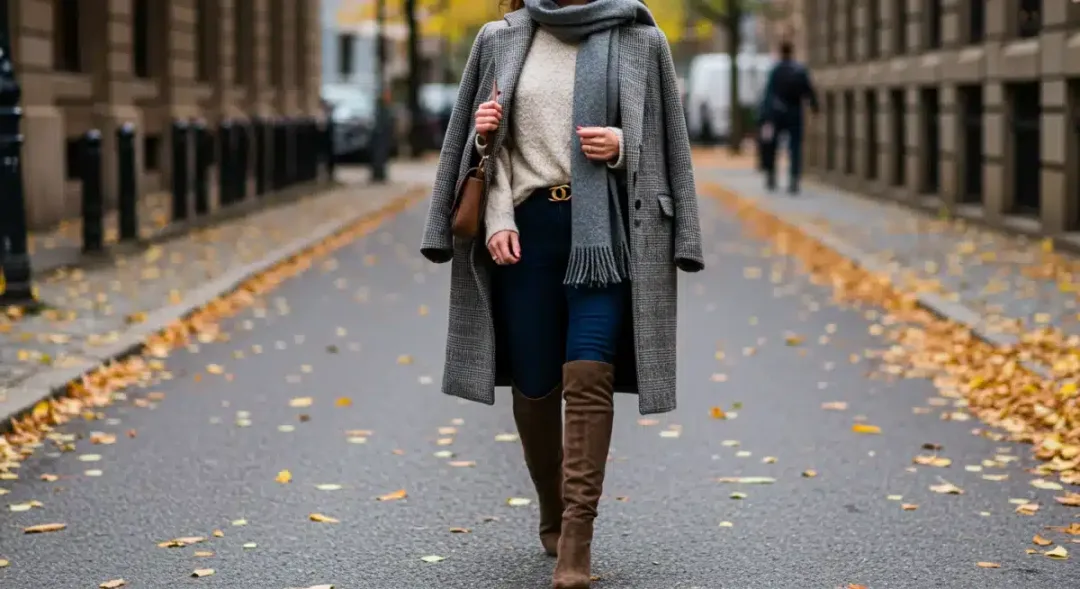
Mastering fall and winter fashion trends under $300 involves strategic shopping, prioritizing versatile pieces, and utilizing sales to build a chic yet affordable seasonal wardrobe without compromising style.
Navigating the ever-changing landscape of seasonal fashion can often feel like a daunting task, especially when trying to stay within a reasonable budget. However, achieving a sophisticated and on-trend look doesn’t require breaking the bank. This guide will show you exactly how to approach Seasonal Style on a Shoestring: Mastering Fall/Winter Fashion Trends for Under $300, transforming your wardrobe for the colder months without sacrificing quality or personal expression.
Understanding Fall/Winter Fashion on a Budget
The transition from warm to cold weather often brings with it the desire for new clothes, cozy layers, and fashionable outerwear. Unfortunately, this desire can quickly clash with financial realities. Many assume that staying fashionable in fall and winter demands significant investment, but this simply isn’t true. With a smart approach, you can curate a stunning seasonal wardrobe that looks far more expensive than it is.
Advertisement
The key lies in understanding the core principles of budget fashion: versatility, timelessness, and strategic shopping. We’ll delve into how to identify pieces that offer maximum utility across multiple outfits and seasons, ensuring every dollar spent contributes meaningfully to your overall style. This foundational understanding is crucial before you even step foot in a store or browse online.
The Power of a Capsule Wardrobe
Creating a capsule wardrobe for fall and winter is perhaps the most effective strategy for managing your budget. This approach focuses on a limited collection of interchangeable clothing items that can be mixed and matched to create numerous outfits. By prioritizing versatile pieces, you reduce the need for excessive purchases and ensure everything in your closet serves a purpose.
- Identify Core Neutrals: Start with essential colors like black, white, gray, navy, and camel. These form the foundation of countless outfits.
- Choose Quality Over Quantity: Invest in fewer, better-made items that will withstand wear and tear. This might seem counterintuitive for a budget, but it saves money in the long run.
- Focus on Layering Pieces: Think thermal tops, thin sweaters, cardigans, and vests that can be added or removed depending on the temperature.
By adopting a capsule wardrobe mentality, you’re not just saving money; you’re also simplifying your daily routine and reducing decision fatigue. Every item you purchase fits seamlessly into your existing collection, making getting dressed a breeze. This thoughtful curation is the first step towards mastering affordable seasonal style.
Identifying Key Fall/Winter Trends Affordably
Staying current with fashion trends doesn’t mean buying every new item that hits the shelves. Instead, it’s about discerning which trends are adaptable, long-lasting, and can be integrated into your existing wardrobe without a hefty price tag. Fall and winter trends often revolve around textures, specific color palettes, and classic silhouettes that reappear year after year.
For instance, plaid patterns, chunky knits, and rich jewel tones are perennial favorites that can be found at various price points. The trick is to identify these recurring trends and seek out their more budget-friendly interpretations. Fast fashion retailers and second-hand stores are excellent places to find pieces that echo current styles without the designer label cost.
Spotting Sustainable Trends
When looking for trends, consider their longevity. Some trends are fleeting, while others evolve into timeless staples. Focus on those that have a classic appeal but are updated with a modern twist. For example, a well-structured blazer or a classic trench coat in a contemporary color can elevate your look for seasons to come. These items can often be found at a fraction of their original price if you know where to look.
- Research Current Styles: Follow fashion blogs and social media for inspiration, but don’t feel pressured to replicate looks exactly.
- Prioritize Versatile Colors: While bold colors are trending, ensure they complement your existing wardrobe to maximize their use.
- Look for ‘Dupe’ Versions: Many affordable brands create similar styles to high-end items, offering a fashionable look without the luxury price.
Understanding which trends offer the best return on investment for your budget is a crucial skill. It allows you to participate in the fashion conversation without overspending, ensuring your fall and winter wardrobe remains both stylish and economically sound. This thoughtful approach to trend adoption is a cornerstone of smart budget styling.
Smart Shopping Strategies for Under $300
Achieving a full fall/winter wardrobe for under $300 requires more than just knowing what to buy; it demands strategic shopping. This means being patient, knowing where to look, and understanding when to strike. Impulse purchases are the enemy of a budget-friendly wardrobe, so a planned approach is essential.
Start by creating a list of your needs versus your wants. Prioritize essential items like a warm coat, versatile sweaters, and durable boots. Once these foundational pieces are covered, you can consider adding trendy accessories or secondary garments. This disciplined approach prevents overspending on items you don’t truly need.
Leveraging Sales and Discounts
Sales events are your best friend when shopping on a budget. Black Friday, Cyber Monday, and post-holiday sales offer significant discounts on seasonal items. Planning your purchases around these events can lead to substantial savings. Additionally, signing up for email newsletters from your favorite retailers can alert you to exclusive promotions and early access to sales.
- End-of-Season Sales: Purchase next year’s winter coat during the spring clearance for massive savings.
- Mid-Season Markdowns: Look for discounts on items that haven’t sold well, often available around late October or early November.
- Student and Loyalty Discounts: If applicable, utilize any student discounts or loyalty programs offered by stores.
Beyond sales, consider outlet stores, discount retailers, and online flash sale sites. These platforms specialize in offering branded goods at reduced prices. Always compare prices across different retailers before making a purchase to ensure you’re getting the best deal. Strategic timing and thorough research are paramount to maximizing your budget.
Thrift Stores and Second-Hand Finds
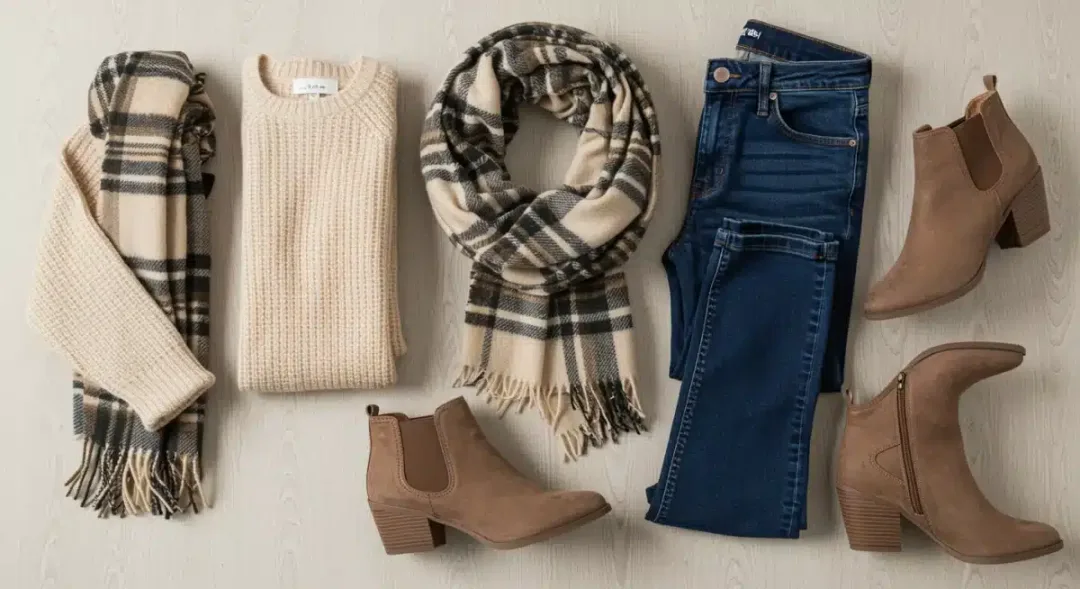
One of the most powerful tools in a budget fashionista’s arsenal is the second-hand market. Thrift stores, consignment shops, and online resale platforms like Poshmark or ThredUp are treasure troves for high-quality, often designer, items at dramatically reduced prices. This approach not only saves money but also promotes sustainable fashion practices.
Finding gems in a thrift store requires patience and a keen eye. Look for well-made fabrics, classic cuts, and items that are in excellent condition. Often, you can find nearly-new sweaters, coats, and even boots that would cost hundreds of dollars new, all for a fraction of the price. Don’t be afraid to try on different sizes, as sizing can vary significantly.
Tips for Successful Thrifting
To make your thrifting excursions successful, go with a clear idea of what you’re looking for, but remain open to unexpected finds. Inspect garments carefully for stains, tears, or missing buttons before purchasing. Remember that minor flaws can often be fixed with a little DIY effort, adding to the garment’s unique story.
- Visit Regularly: Inventory changes constantly, so frequent visits increase your chances of finding great items.
- Check Different Sections: Don’t limit yourself to just the women’s section; men’s sweaters or jackets can often be styled for a chic oversized look.
- Look for Brand Names: While not the sole focus, recognizable brands often indicate higher quality materials and construction.
Embracing second-hand shopping is an art form that, once mastered, unlocks a world of affordable fashion possibilities. It allows you to cultivate a unique style that stands out from fast-fashion trends, all while staying well within your $300 budget for fall and winter. This sustainable choice is both economically and environmentally conscious.
Maximizing Versatility with Layering and Accessories
The true magic of fall and winter fashion, especially on a budget, lies in the art of layering and the strategic use of accessories. These techniques allow you to transform a few core pieces into a multitude of different looks, adapting to varying temperatures and occasions. Layering adds depth and interest to an outfit, while accessories provide personality and a touch of trendiness.
Start with a solid base layer, such as a thermal top or a fitted long-sleeve shirt. Build upon this with a sweater or cardigan, and then add a jacket or coat. This not only keeps you warm but also provides options for shedding layers indoors. Each layer contributes to the overall aesthetic, allowing for creative combinations.
The Impact of Accessories
Accessories are often the most budget-friendly way to update your look and incorporate current trends. A colorful scarf, a stylish hat, a statement belt, or a pair of elegant gloves can completely change the feel of an outfit. These items are generally less expensive than main clothing pieces and can be swapped out easily to create fresh ensembles.
- Scarves: A versatile accessory that adds warmth, color, and texture. Learn different ways to tie them for varied looks.
- Hats: Beanies, fedoras, or wide-brimmed hats can elevate an outfit and provide extra warmth.
- Jewelry: Statement necklaces or earrings can draw attention and add a touch of glamour without a high cost.
- Belts: Cinch a baggy sweater or coat with a stylish belt to define your silhouette.
Remember that accessories don’t have to be expensive to be impactful. Look for unique pieces at craft fairs, vintage shops, or even make your own. By mastering layering and utilizing accessories effectively, you can stretch your fall/winter wardrobe further than you ever thought possible, all while maintaining a fresh and fashionable appearance.
DIY and Upcycling for Unique Style
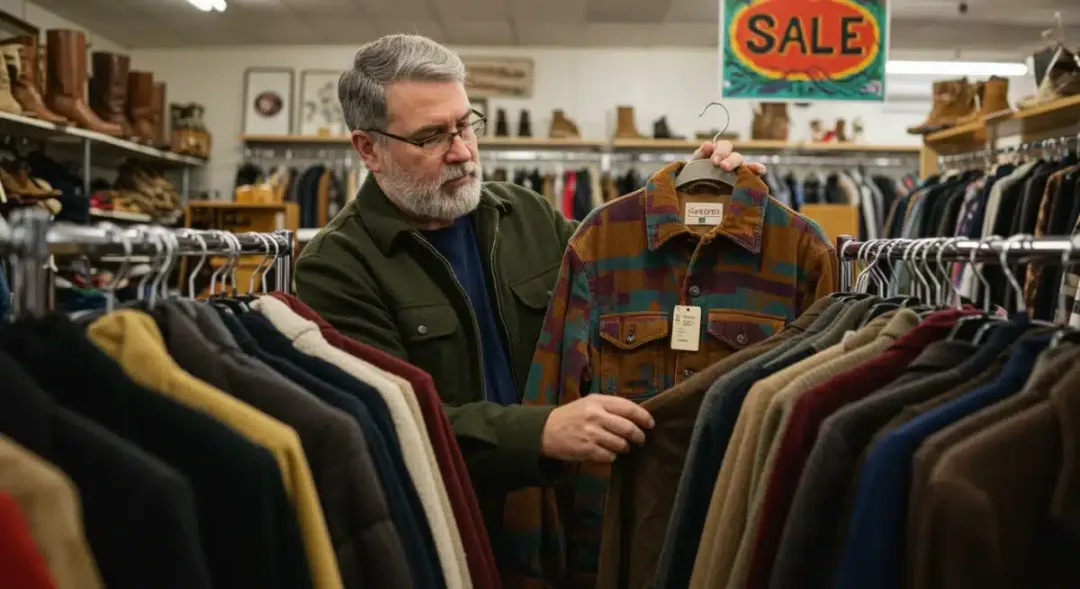
For those who truly want to master seasonal style on a shoestring, embracing DIY and upcycling offers an unparalleled opportunity to create unique, personalized pieces without spending much. This approach taps into your creativity, allowing you to transform existing garments or inexpensive finds into fashionable items that perfectly match current trends or your individual aesthetic.
Think about simple alterations that can breathe new life into an old piece. Hemming a pair of jeans, adding new buttons to a coat, or dyeing a faded sweater can make a significant difference. These small changes require minimal effort and cost, yet they can refresh your wardrobe substantially. It’s about seeing potential where others might see old clothes.
Creative Upcycling Ideas
Upcycling isn’t just about repairs; it’s about reimagining. An old blanket can become a stylish poncho or a cozy scarf. A large men’s sweater can be cut and restyled into a trendy cropped knit or a cardigan. The possibilities are vast, limited only by your imagination and a few basic sewing skills, which can be easily learned through online tutorials.
- Distress Denim: Turn plain jeans into a trendy distressed pair with sandpaper and scissors.
- Embellish Basics: Add patches, embroidery, or fabric paint to plain t-shirts or sweaters for a custom look.
- Transform Old Garments: Convert a long dress into a skirt and top set, or an oversized shirt into a chic tunic.
By engaging in DIY and upcycling, you not only save money but also contribute to a more sustainable fashion ecosystem. You create pieces that are truly one-of-a-kind, reflecting your personal style and creativity. This hands-on approach is an incredibly rewarding way to achieve a fashionable fall/winter wardrobe for under $300, proving that style doesn’t have to be bought off the rack.
Building a Cohesive $300 Fall/Winter Wardrobe Plan
Bringing all these strategies together, the final step is to formulate a cohesive plan for your $300 fall/winter wardrobe. This isn’t just about individual purchases; it’s about seeing the bigger picture and ensuring every item works harmoniously with the others. A well-planned wardrobe maximizes your options and minimizes redundant items.
Begin by auditing your current closet. What fall/winter items do you already own that are still in good condition and align with your style? Don’t buy something new if you have a perfectly good equivalent. This initial assessment helps you identify true gaps in your wardrobe and prevents unnecessary spending.
Example Budget Breakdown
Let’s consider a hypothetical $300 budget breakdown to illustrate how these principles can be applied. This is just an example, and your specific needs may vary, but it provides a framework for strategic spending. Remember that prices are estimates and can be significantly lower with thrifting or sale shopping.
- Outerwear ($80-100): One versatile coat (e.g., a classic wool blend or a puffer jacket) from a sale or second-hand store.
- Sweaters/Knitwear ($60-80): Two to three versatile sweaters in neutral tones, perhaps one chunky knit and two finer knits.
- Bottoms ($40-60): One pair of dark wash jeans and one pair of versatile trousers (e.g., black or plaid).
- Layering Tops ($20-30): Two long-sleeve thermal tops or basic turtlenecks.
- Accessories ($30-50): A warm scarf, a beanie, and perhaps a pair of gloves.
- Boots ($50-70): One pair of durable, comfortable ankle boots (potentially a second-hand find).
This structured approach ensures that your $300 budget is allocated effectively across essential categories, leaving room for a few personal touches. By combining smart shopping, thrifting, and a focus on versatility, you can confidently build a stylish and functional fall/winter wardrobe without financial strain. It’s proof that fashion can indeed be accessible to everyone.
| Key Strategy | Brief Description |
|---|---|
| Capsule Wardrobe | Focus on versatile, interchangeable pieces to maximize outfit combinations and reduce spending. |
| Strategic Shopping | Utilize sales, discounts, and end-of-season clearances to acquire items at lower prices. |
| Thrift & Upcycle | Explore second-hand stores and DIY projects for unique, affordable, and sustainable fashion. |
| Layering & Accessories | Enhance and diversify outfits with smart layering techniques and budget-friendly accessories. |
Frequently Asked Questions About Budget Fall/Winter Fashion
How can I find good quality coats on a budget?▼Look for coats during end-of-season sales, especially in late winter or early spring, when retailers clear out inventory. Thrift stores and consignment shops are also excellent sources for well-made, often designer, coats at significantly reduced prices. Check fabric content for wool or sturdy blends.
What are the most versatile pieces for a fall/winter capsule wardrobe?▼Essential versatile pieces include a neutral-colored coat, a few basic long-sleeve tops, a couple of sweaters (one chunky, one fine knit), dark wash jeans, black trousers, and comfortable ankle boots. These items can be mixed and matched to create numerous outfits for various occasions.
Can I really stay warm and stylish for under $300?▼Absolutely! By focusing on layering, smart material choices (like wool blends or fleece), and utilizing second-hand shopping, you can build a warm and fashionable wardrobe. Prioritize thermal underlayers and well-insulated outerwear found during sales or at thrift stores.
How do I incorporate trends without overspending?▼Integrate trends through accessories like scarves, hats, or jewelry, which are typically less expensive than main garments. You can also look for ‘dupe’ versions of popular items at fast-fashion retailers or find vintage pieces that echo current styles in thrift stores.
What are the benefits of upcycling clothes for fall/winter?▼’>Upcycling allows you to create unique, personalized garments that reflect your style without buying new. It’s cost-effective, sustainable, and reduces textile waste. Simple alterations or embellishments can refresh old items, giving them a new life and keeping your wardrobe current on a budget.
Conclusion
Mastering Seasonal Style on a Shoestring: Mastering Fall/Winter Fashion Trends for Under $300 is an achievable goal for anyone willing to embrace strategic planning, smart shopping, and a touch of creativity. By focusing on a versatile capsule wardrobe, leveraging the power of sales and second-hand markets, and understanding how to effectively layer and accessorize, you can curate a chic and functional fall/winter wardrobe that defies its modest price tag. Remember, true style isn’t about how much you spend, but how thoughtfully you assemble your look. Empower yourself to dress confidently and warmly, all while staying well within your budget and contributing to more sustainable fashion practices.