
How fashion week designer collaborations reach stores
Advertisement
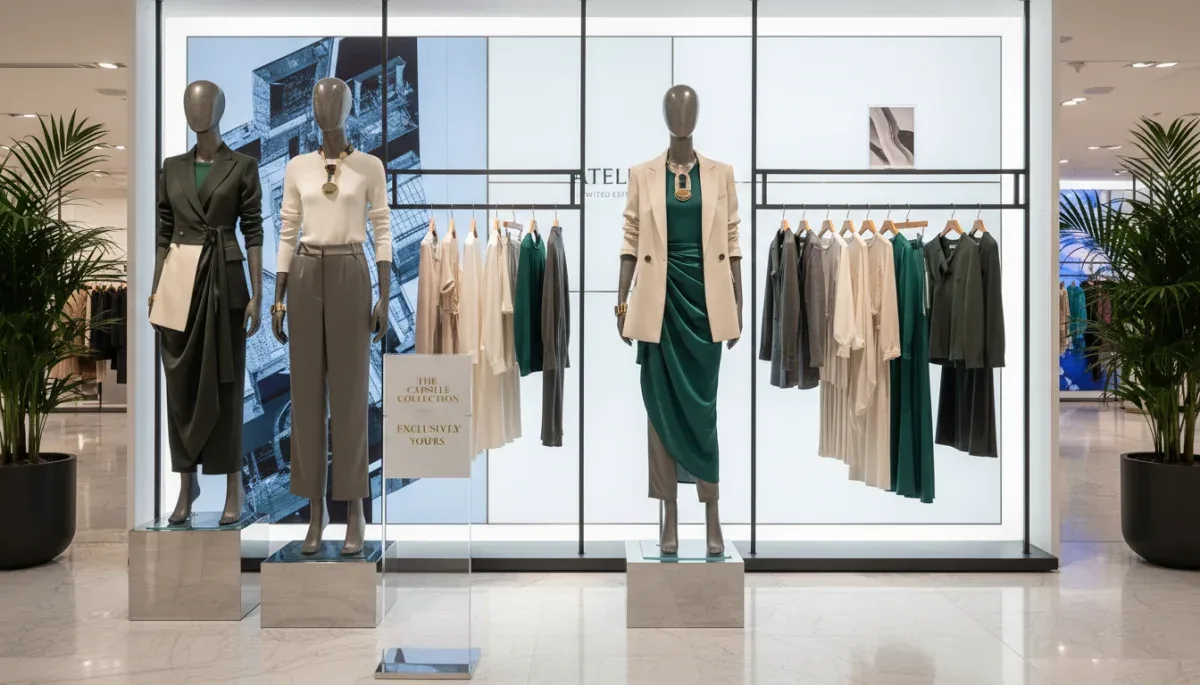
New York Fashion Week designer collaborations reach mainstream department stores through multi-tiered licensing agreements, adapted manufacturing workflows, and coordinated retail launches designed to monetize runway prestige at accessible price points. Rather than sending hand-finished runway samples directly to mass-market shelves, fashion houses license their aesthetic signatures, silhouettes, and brand names to commercial retail chains that finance and oversee large-scale garment manufacturing.
This retail model helps budget-conscious shoppers purchase recognizable high-fashion aesthetics without paying luxury tier prices, but the trade-off involves adjustments in textile composition, construction detail, and retail availability. Understanding how these partnerships navigate the journey from September or February runway presentations to suburban retail racks clarifies what consumers actually receive when purchasing a mass-market designer capsule collection.
From runway presentation to corporate licensing deals
The journey of fashion week designer collaborations begins long before models step onto the runway at Spring Studios or external Manhattan presentation venues. Mainstream department stores and mass retailers often initiate partnership discussions six to eighteen months prior to a collection's commercial release. These corporations monitor emerging design talent, established heritage labels, and independent creative directors who capture high engagement during industry trade events. When a designer signs a collaboration agreement, the arrangement operates primarily as an intellectual property licensing partnership rather than an order of runway goods.
Advertisement
Under a typical collaboration contract, the luxury fashion house grants the retail partner the legal right to market apparel and accessories under a co-branded label for a limited duration. The designer provides sketches, mood boards, archive silhouettes, and creative direction, while the retail conglomerate assumes the financial risk, sourcing logistics, and distribution responsibilities. This division of labor allows independent fashion labels to gain national foot-traffic exposure without building their own commercial supply chains.
Key milestones in partnership development
- Initial contract negotiations defining licensing royalties and creative oversight boundaries.
- Runway exposure during New York Fashion Week to generate editorial anticipation.
- Collaborative design reviews where retail product developers adapt runway concepts for everyday fit.
- Commercial sample finalization and quality control assessments at wholesale facilities.
By using the runway as a marketing showcase, both brands generate significant publicity. The prestige of the fashion week event serves as social proof, elevating standard retail merchandise into highly anticipated commercial releases that drive department store foot traffic.
Production timelines and supply chain adjustments
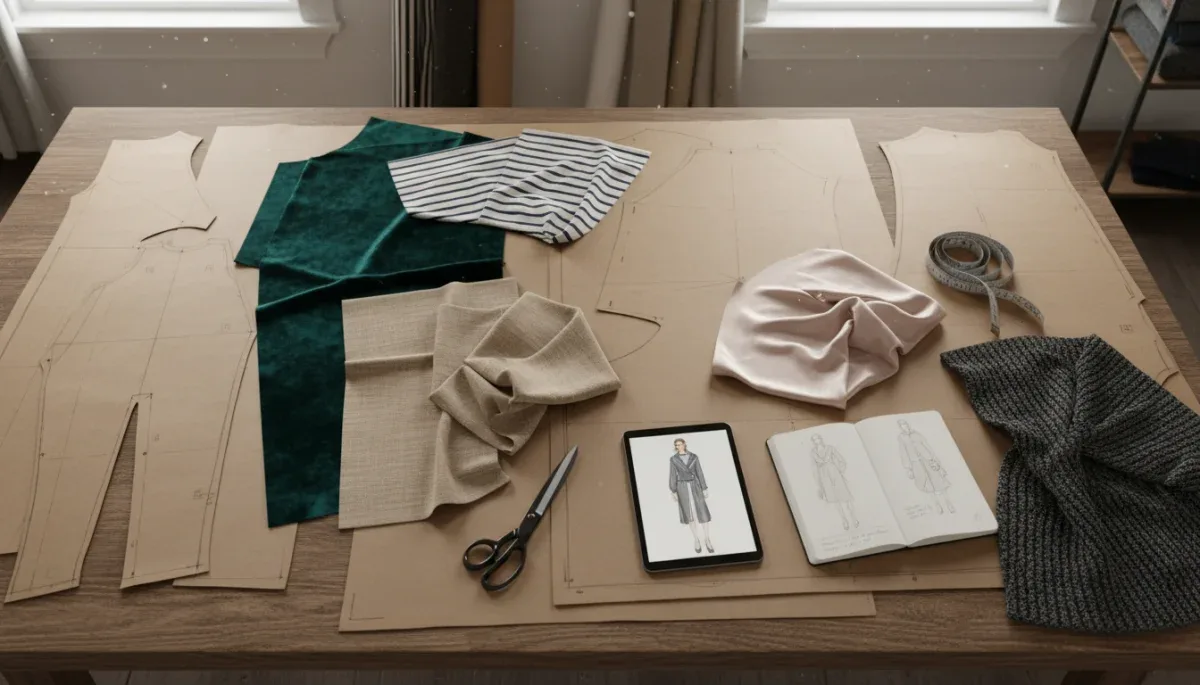
Runway garments shown during New York Fashion Week typically represent the luxury tier of production, featuring customized fittings, small-batch yardage, and labor-intensive assembly techniques. When a department store converts those conceptual garments into a nationwide inventory run, the supply chain shifts into industrial overseas manufacturing hubs capable of producing tens of thousands of units per style.
Production developers review runway technical sheets and modify complex garment patterns into simplified layouts that automated cutting tables and assembly lines can execute quickly. A dress that required forty hours of hand-draped tailoring in an artisan studio is re-engineered with standard darting, pre-set grading measurements, and machine-stitched hems. These adjustments ensure that the garment fits standardized retail sizing charts from extra-small through plus sizes, ensuring broader appeal across general consumer demographics.
Timing remains critical throughout this conversion process. Traditional luxury seasonal lines historically took six months between runway debut and boutique delivery. In contrast, mass-market retail partnerships often condense technical development schedules to capture public interest while search volume for the designer remains elevated following media coverage of the New York presentations.
Material compromises and mass market manufacturing
The primary difference between an original runway collection and its department store counterpart lies in the raw materials selected for production. Luxury garments shown during fashion week routinely employ imported Italian wools, double-faced cashmere, genuine silks, and bespoke hand-dyed finishes. Translating these aesthetic elements into products priced between thirty and one hundred dollars requires intentional textile substitutions.
Retail sourcing teams replace pure silk charmeuse with synthetic polyester satins that simulate identical sheen while offering improved color retention and machine washability. Heavy wool overcoats are redeveloped using blended wool-poly weaves or heavy acrylic bouclé, and custom metal hardware is swapped for lightweight zinc alloys or plastic mold alternatives. While these adjustments reduce manufacturing overhead and consumer purchase prices, they alter the weight, breathability, and long-term durability of the finished garment.
Common commercial material substitutions
- Replacing mulberry silk twill with woven recycled polyester blends.
- Switching vegetable-tanned full-grain leather for polyurethane or bonded alternatives.
- Substituting hand-applied glass beadwork with automated machine embroidery or metallic foil stamping.
- Modifying custom horn or mother-of-pearl buttons to molded resin fasteners.
Consumers evaluating these items benefit from reviewing interior wash tags and seam construction. A well-constructed polyester blend with reinforced stitching can provide several seasons of regular wear, but buyers should recognize that the garment does not carry the intrinsic material value of luxury atelier pieces.
Exclusive retail windows and marketing rollouts
Department stores rely on structured retail drops and scarcity marketing to convert casual shoppers into immediate buyers. Drawing inspiration from modern streetwear merchandising, mass-market chains organize their capsule inventory releases around strict launch dates, early morning store hours, and online queue systems. These rollouts generate a perception of exclusivity that encourages impulse purchasing and discourages consumers from waiting for seasonal clearance markdowns.
Promotional campaigns for these lines generally commence several weeks prior to product availability. Retailers distribute early product access to fashion editors, style influencers, and commercial content creators, coordinating unified social media previews that emphasize the designer's New York Fashion Week credentials. Press releases highlight the luxury heritage of the guest designer, positioning the department store as an egalitarian curator bringing high art into everyday life.
Most commercial contracts stipulate that these collections are produced as one-time inventory runs with no subsequent restocks. Once the designated units sell through, the collection leaves the retail floor permanently. This deliberate scarcity preserves the luxury partner's brand equity by preventing prolonged liquidation sales, while simultaneously clearing floor space for the department store's next promotional cycle.
Why luxury labels partner with discount retailers
The expansion of designer collaborations into mass-market venues offers distinct commercial advantages to high-end fashion brands. Producing seasonal runway presentations in New York represents a substantial financial expense involving venue fees, model casting, production crews, and global public relations campaigns. Licensing partnerships with department stores deliver direct upfront revenue and royalty streams that help independent houses offset the steep cost of participating in the official fashion calendar.
Furthermore, these partnerships function as nationwide customer acquisition programs. Independent high-end brands often operate only a handful of flagship boutiques in primary metropolitan markets like New York, Los Angeles, and Paris. Partnering with a retail chain possessing hundreds of suburban storefronts introduces the designer's name and visual identity to millions of potential future luxury consumers across regional markets.
For the department store, the collaboration provides a temporary boost in customer foot traffic and strengthens competitive differentiation against purely digital retail platforms. Consumers who visit a physical store to shop for a designer dress frequently browse regular private-label merchandise, cosmetics, and homewares, producing a halo effect across the retailer's broader product categories.
At a glance
| Factor | What to know |
|---|---|
| Garment Origin | Designs are licensed creative adaptations, not excess inventory from actual runway shows. |
| Fabric Quality | Natural fibers and delicate textiles are generally replaced with durable, cost-effective synthetics. |
| Inventory Cycle | Most collections run as single-batch releases designed to sell through without ongoing restocks. |
| Sizing Standards | Garment patterns follow the host store's commercial vanity charts rather than European couture sample dimensions. |
Frequently asked questions
Are department store designer collaborations made by the original fashion house?
No, the mass-market retailer coordinates production through commercial manufacturing facilities. The designer provides creative direction, sketches, and aesthetic approval, while the store's corporate team sources materials, oversees assembly, and handles nationwide logistics.
Why do collaboration clothes feel different from runway clothes?
Mass retailers substitute expensive natural silks, wools, and hand-applied embellishments with cost-effective synthetics and automated stitching. These material shifts allow the retailer to maintain lower prices while matching the visual silhouette of the original runway concepts.
Do these collaboration items retain secondary market resale value?
Most items depreciate quickly after the initial launch excitement subsides. Select vintage pieces from groundbreaking historical collaborations hold collector interest, but the majority trade at or below their original retail prices on resale platforms.
How should shoppers care for mass-market designer pieces?
Always inspect the interior fabric composition tag and follow the manufacturer's cleaning instructions carefully. Many synthetic blends maintain their shape and surface texture best when washed inside out in cold water and hung to air dry.
The bottom line
Department store designer partnerships provide an accessible gateway to creative runway aesthetics without the barrier of luxury pricing, achieved through clever licensing and commercial fabric choices. While you gain the visual hallmarks of top-tier fashion week presentations, you receive mass-market garment construction. Before buying, check the garment's interior fiber content tag and return policy to verify that the piece fits your personal standards for wardrobe durability.
Written by
Rita Luiza
Rita Luiza writes about US fashion events, seasonal fashion trends and budget fashion tips for news4shein.com. Each article explains how things work, compares published details such as prices, policies and program rules, and points readers to the official source before they decide.