
Linen blends vs cotton poplin for summer wear
Advertisement
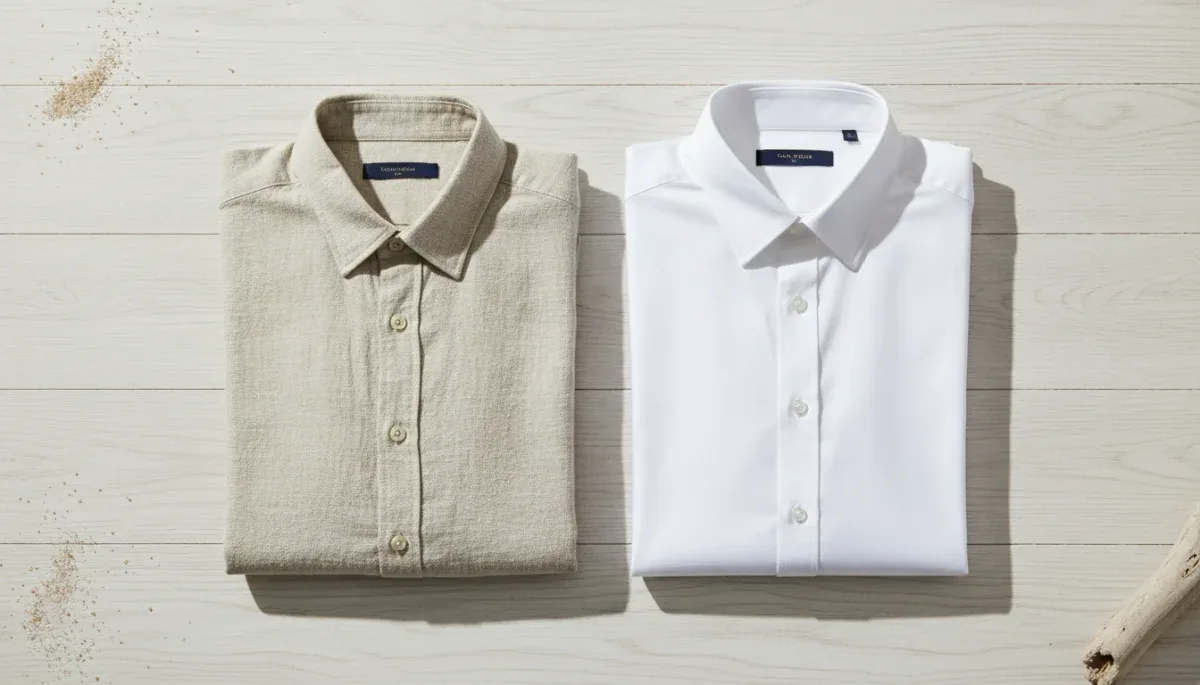
Choosing between linen blends and cotton poplin determines whether your summer wardrobe favors relaxed drape or crisp structure during hot weather. Linen blends mix flax with fibers like rayon or cotton to deliver ventilation with reduced creasing, whereas cotton poplin uses a fine plain weave to provide a smooth, polished finish that holds its shape throughout the day.
This comparison helps shoppers balancing warm climates with professional or casual dress codes, though neither textile completely eliminates the trade-offs of wrinkling or fabric stiffness. Examining how each material regulates body temperature, withstands laundering, and fits into everyday styling ensures you spend your clothing budget on garments that actually keep you comfortable.
Understanding the weave and fiber composition
The core differences between these two staples start at the microscopic level with fiber origins and weaving techniques. Pure linen comes from the flax plant, producing irregular fibers known for slubs, natural stiffness, and exceptional heat conductivity. In contrast, linen blends temper these rigid traits by introducing secondary fibers. A linen-rayon blend increases softness and fluid movement, while a linen-cotton blend adds tensile strength and slightly lowers the cost of production while retaining a textured appearance.
Advertisement
Cotton poplin relies on a tightly woven plain-weave construction characterized by fine warp threads and slightly thicker weft yarns. Originally known as tabinet, modern poplin is almost universally made from combed cotton fibers that create a flat, lustrous surface with minimal texture. This tight weave produces a distinctly crisp hand feel that stands away from the body rather than clinging to the skin, which provides its own form of natural temperature regulation.
When you touch both materials on a clothing rack, the sensory contrast is immediate. Linen blends feel dry, loosely structured, and gently uneven, giving them an inherent casualness. Cotton poplin feels cool to the initial touch, noticeably dense, and clean-lined. Neither material is inherently superior in quality, but their mechanical construction determines how air circulates across your skin when outdoor temperatures rise.
Heat regulation and airflow in humid conditions
Ventilation is the primary consideration for warm-weather clothing, especially in humid regions where moisture does not evaporate quickly. Linen blends excel in high heat because flax fibers naturally conduct heat away from the body faster than untreated cotton. Furthermore, the looser weave typical of linen-blend clothing allows ambient air to pass freely through the garment, creating continuous micro-ventilation as you move.
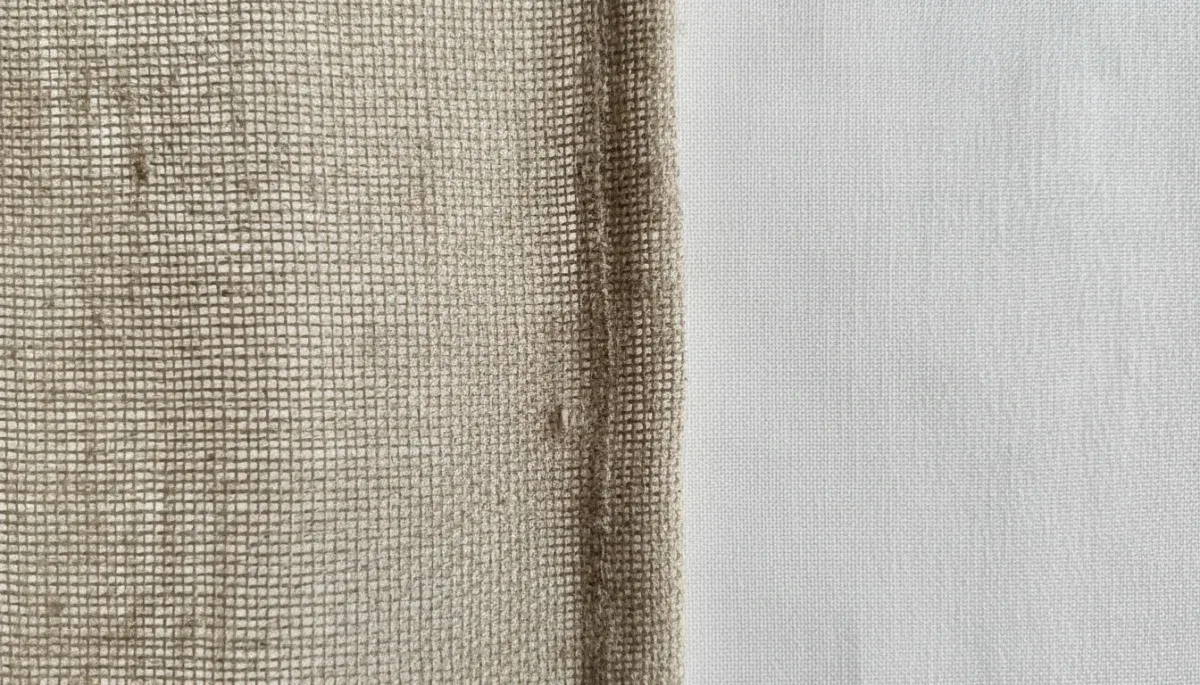
Cotton poplin approaches breathability differently. While cotton is a naturally breathable plant fiber, poplin features a dense thread count per square inch designed to resist wear and maintain opacity. In low to moderate humidity, a lightweight cotton poplin shirt allows sufficient air exchange to keep you cool. However, in heavy tropical humidity or during sustained physical exertion, the tight weave can trap warm air against the skin more readily than an open linen blend.
Airflow variables to check before buying
- Fabric weight: A heavy linen blend will sleep warmer than a featherweight poplin, making fabric density just as critical as fiber composition.
- Blend ratio: Blends containing synthetic polyester tend to trap body heat, whereas blends with cotton or viscose preserve airflow.
- Garment cut: Loose tailoring enhances the cooling properties of both fabrics by encouraging natural convection currents.
For days when the humidity index climbs above average comfort levels, linen blends provide the superior mechanical ventilation required to prevent perspiration buildup. Cotton poplin remains an effective warm-weather option for moderate summer days, particularly when you need to avoid the sheer appearance that occasionally affects loosely woven linen items.
Wrinkle behavior and daily maintenance
Maintenance routines often decide which fabric becomes a daily favorite versus a piece that stays hanging in the closet. Pure linen is notorious for deep, sharp creases that form the moment you sit down, caused by the rigid molecular bonds of flax cellulose. A linen blend significantly softens this behavior. By incorporating flexible fibers like cotton, modal, or rayon, the fabric bends more easily, resulting in soft waves rather than harsh, permanent-looking fold lines.
Cotton poplin resists the casual rumpling seen in linen, but it is not wrinkle-free. Poplin wrinkles when compressed, folded, or subjected to washing without immediate hanging. Because poplin has a flat, smooth sheen, any wrinkle that does form stands out distinctly against the polished surface. Pressing a cotton poplin garment requires a hot iron or steam setting to restore its sharp, professional appearance completely.
Daily maintenance comes down to your personal tolerance for garment texture. If you appreciate the lived-in, textured look of warm-weather dressing, linen blends require little to no ironing; you can simply hang them dry or shake them out after laundering. If your daily environment demands a crisp, pristine collar and razor-sharp cuffs, cotton poplin is the better candidate, provided you are willing to spend time with a steamer or iron before each wear.
Structure, drape, and silhouette
The visual silhouette of an outfit is heavily influenced by fabric drape, which refers to how a material falls and hangs against the human frame. Linen blends offer an easy, forgiving drape. Because secondary fibers add weight and flexibility to the flax, garments made from linen blends skim over the body without clinging, creating relaxed, billowy profiles that suit casual summer aesthetics.
Cotton poplin provides structural integrity. Its fine, dense weave gives garments a sculptural quality, holding sharp pleats, architectural sleeve shapes, and standing collars with ease. In dresses and button-down shirts, poplin maintains a distinct separation between the garment and the body, which not only looks tailored but also prevents damp fabric from adhering to the skin during heat spikes.
Ideal silhouettes for each textile
- Tiered sundresses: Cotton poplin maintains voluminous tiers without collapsing under its own weight.
- Relaxed trousers: Linen blends drape smoothly over hips and legs without creating stiff, boxy lines.
- Office button-downs: Cotton poplin keeps sharp collar points and clean plackets intact through long meetings.
- Camp-collar shirts: Linen blends yield an open, relaxed neckline that moves naturally in warm breezes.
When selecting pieces for everyday wear, consider the level of formality you need to maintain. A cotton poplin midi dress easily transitions into formal office environments or evening dinners because of its clean geometry. A linen-blend midi dress skews naturally toward weekend outings, beach environments, and relaxed daytime social events.
Durability, washing, and long-term care
Everyday summer garments must endure frequent laundering to remove sweat, sunblock, and city dust. Cotton poplin demonstrates remarkable wet strength. Cotton fibers actually become stronger when wet, allowing poplin garments to withstand regular machine washing on normal cycles without deteriorating, stretching out of shape, or fraying along seam margins.
Linen blends require slightly more thoughtful care depending on the exact companion fiber used in the yarn. Flax fibers possess high tensile strength, but repeated aggressive friction or high-heat tumble drying can weaken cellulose threads and cause microscopic breaks, leading to surface fuzz. When blended with delicate fibers like rayon or lyocell, the garment may also be prone to shrinkage or seam slippage if exposed to hot water.
To extend the operational life of either textile, wash garments inside out in cold water using gentle liquid detergents. Avoid powdered detergents that may leave mineral residue on smooth poplin weaves, and bypass chlorine bleach, which weakens both cotton and flax fibers over time. Air drying on a sturdy hanger preserves the fabric integrity of both materials while minimizing heat damage from mechanical dryers.
Cost considerations and budget styling
From a budgeting perspective, both linen blends and cotton poplin offer accessible ways to dress well in summer without spending designer sums. Pure luxury linen is often expensive due to the complex harvesting and processing methods required to extract flax fibers. Linen blends allow retail brands to offer the aesthetic appeal and ventilation of linen at a substantially lower retail price point.
Cotton poplin is widely manufactured worldwide, benefiting from massive industrial scale and efficient supply chains. This makes poplin shirts, skirts, and dresses readily available across standard department stores and value retailers. Because poplin uses standard yarn sizing, even moderately priced poplin items can achieve a refined appearance that punches above their actual price bracket.
When evaluating value per wear, consider how often an item can be worn without complex styling routines. A single well-fitted cotton poplin shirt works for workdays, casual layering over t-shirts, and structured evening looks. A pair of linen-blend trousers delivers endless weekend and vacation utility. Investing in neutral tones like navy, white, olive, and natural beige ensures both fabrics integrate smoothly into an existing seasonal capsule wardrobe.
At a glance
| Factor | What to know |
|---|---|
| Fabric breathability | Linen blends allow maximum air movement through open slub weaves, while poplin relies on lightweight fiber ventilation. |
| Wrinkle management | Linen blends soften creasing into a relaxed texture, whereas cotton poplin holds sharp lines but requires regular ironing. |
| Garment structure | Cotton poplin creates crisp, architectural tailoring, while linen blends yield a soft, fluid, casual drape. |
| Laundering durability | Poplin withstands frequent standard machine washes easily, while linen blends last longer with cold-water gentle cycles. |
Frequently asked questions
Do linen blends shrink more than cotton poplin?
Linen blends usually experience slightly more shrinkage during their first wash, particularly if blended with rayon or viscose. Cotton poplin is typically pre-shrunk during commercial finishing, but both fabrics should always be washed in cold water to preserve their original garment measurements.
Is cotton poplin see-through in light colors?
Cotton poplin is less see-through than lightweight linen due to its tightly packed plain weave. While pure white poplin can show dark undergarments under bright sunlight, it generally provides significantly better opacity than loosely woven linen blends of comparable fabric weight.
Can I wear linen blends to a corporate office?
Linen blends work well in business casual offices when styled in structured cuts such as blazers, tailored trousers, or collared midi dresses. For strictly traditional corporate environments, cotton poplin remains the safer option due to its smooth finish and resistance to casual rumpling.
Does cotton poplin soften after washing?
Cotton poplin softens gradually over repeated wash and wear cycles as the cotton yarns relax. However, it will always retain a baseline crispness due to its dense plain-weave structure, never becoming as fluid as a linen-rayon or linen-cotton blend.
The bottom line
Choosing between linen blends and cotton poplin comes down to balancing ventilation needs against your personal grooming preferences. If you want maximum airflow, relaxed silhouettes, and low ironing demands for casual summer wear, linen blends are the superior choice. If your routine demands crisp structure, professional neatness, and fabric opacity, cotton poplin delivers unmatched reliability. Always check the inner care tag for exact fiber percentages before purchasing to confirm how the piece will wash and drape over time.
Written by
Mariana Viana
Mariana Viana writes about seasonal fashion trends and celebrity style steals for news4shein.com. Each article explains how things work, compares published details such as prices, policies and program rules, and points readers to the official source before they decide.