
How Miami Swim Week shapes affordable summer swimwear
Advertisement
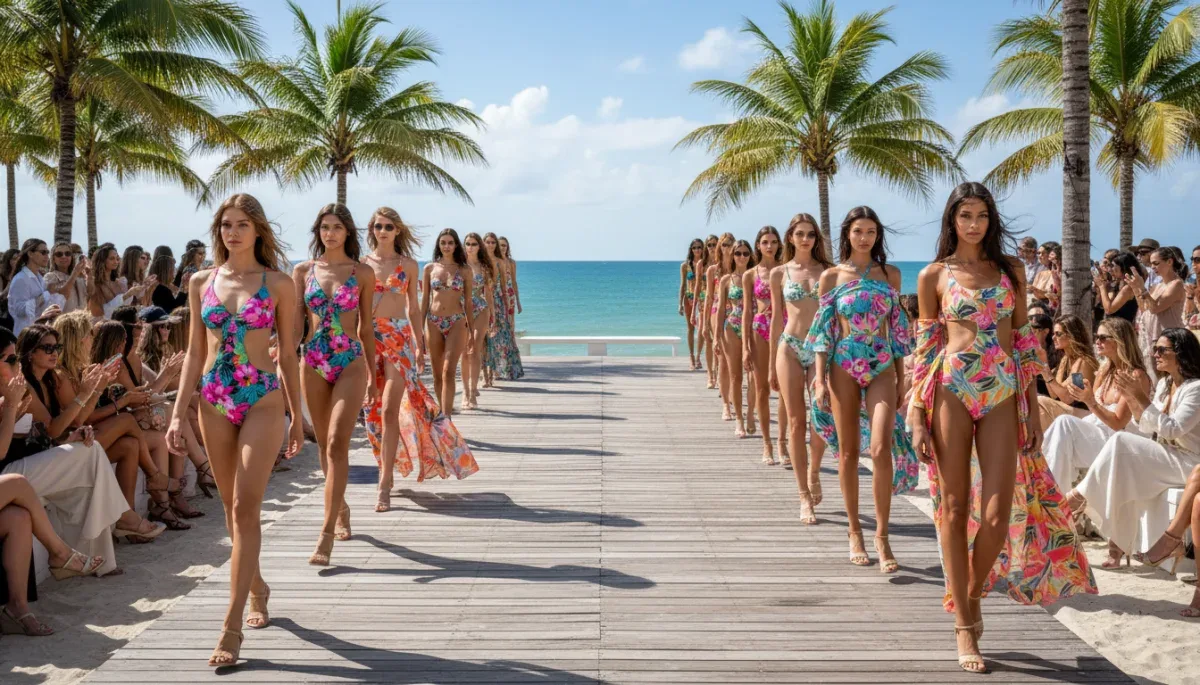
Miami Swim Week dictates the design, color schemes, and cuts found across retail clothing racks because commercial buyers and fast-turnaround apparel manufacturers treat the annual Florida event as an active testing ground for consumer interest. By tracking which runway silhouettes gain organic traction across social media and trade press, mass-market producers determine exactly which elements to adapt into high-volume, affordable summer swimwear for general department stores and online marketplaces.
This translation helps everyday shoppers buy runway-inspired beachwear without paying designer prices, though it often comes with trade-offs in structural support, lining thickness, and seam finishing. Understanding how runway concepts move from high-end presentation stages to low-cost retail inventories allows budget-conscious shoppers to identify durable construction details, bypass short-lived novelty trends, and purchase bathing suits that maintain their shape throughout the season.
The production pipeline from South Beach to commercial retail
Miami Swim Week takes place every summer in South Florida, gathering luxury resort labels, independent designers, and industrial textile distributors under one umbrella. While traditional ready-to-wear fashion shows in Paris or New York showcase autumn apparel nearly six months ahead, the Miami event focuses heavily on resort and high-summer designs. Industry buyers, pattern makers, and apparel sourcing agents attend these shows not only to place boutique orders, but to analyze macro shifts in cut, hardware, and surface ornamentation.
Advertisement
Once a runway collection receives widespread visibility, high-street apparel companies and fast-fashion retailers begin a rapid development cycle. Manufacturers break down the visual components of an expensive runway look into standardized production components that fit automated cutting tables and bulk-purchased textiles. The goal for discount manufacturers is not a direct reproduction of an individual designer piece, but an accessible composite that captures the general silhouette while fitting mainstream sizing norms.
Because swimwear uses relatively small amounts of yardage compared to outerwear or denim, factories can cut, stitch, and package low-cost variations with minimal turnaround times. Computer-aided design programs generate flattened patterns that eliminate hand-sewn embellishments or bespoke underwires, substituting elastic taping and simplified flatlock stitching. Within twelve to sixteen weeks, the central themes of high-end South Beach runways appear in discount department stores, large-format clothing chains, and direct-to-consumer digital catalogs as affordable summer swimwear.
Key silhouette shifts from designer runways to budget collections
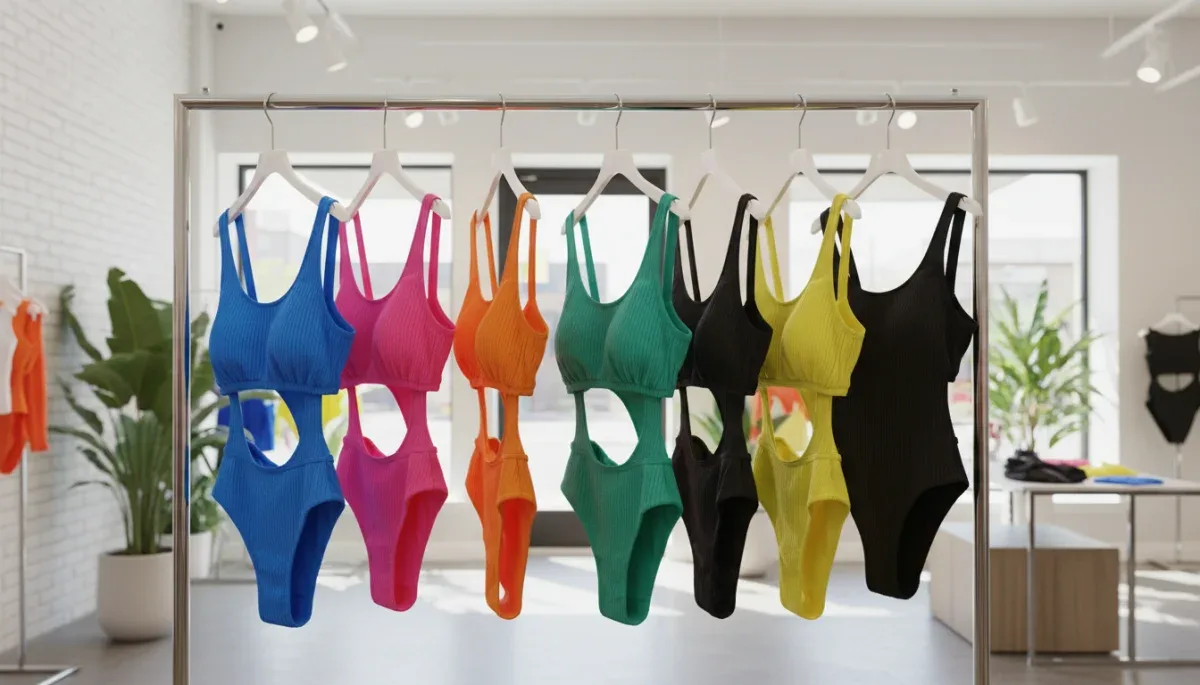
Runway shows in Miami frequently feature avant-garde silhouettes designed to capture photographic interest from media outlets. These often include asymmetrical cutouts, multi-strap torso wraps, extreme high-cut leg openings, and minimal coverage bottoms. Commercial retailers study which of these dramatic shapes can be simplified into functional, wearable garments suitable for recreational swimming, sunbathing, and active vacation wear.
When high-cut 1990s hip lines reappeared on Miami runways, discount brands adopted the style rapidly because it elongates the leg visually without requiring complex pattern pieces or expensive hardware. Similarly, complex strappy bandeau tops shown on the runway are frequently redesigned for commercial consumers by adding removable shoulder straps, reinforced side boning, or supportive interior shelf bras that cater to varied cup sizes.
Common adaptations seen in mass-market swimwear
- One-piece monokinis replace sheer mesh inserts with sturdy opaque paneling to ensure adequate modesty and UV protection.
- Runway wrap-around ties become sewn-down crossover waistbands that provide the illusion of layering without becoming tangled during laundry cycles.
- High-waisted two-piece bottoms integrate double-layer front compression panels rather than delicate single-knit stretch jersey.
- Deep plunge necklines receive subtle horizontal stay-straps or hidden under-bust elastics to prevent wardrobe slips during routine movement.
These adjustments ensure that budget-conscious shoppers receive the aesthetic appeal of a luxury resort collection while retaining the practical functionality required for casual community pools, beach outings, and water sports.
Fabric technology and color palette translation
Textile mills showcase their latest yarn blends and decorative weaves alongside fashion houses at Miami trade expos. In recent seasons, luxury swimwear has moved heavily toward textured surfaces, including crinkled seer-sucker knits, ribbed tricot, and shimmering lurex yarns. When high-end labels prove that consumers respond favorably to tactile fabrics, low-cost textile suppliers engineer synthetic blends that replicate these dimensional surfaces at a fraction of the raw material cost.
High-end swimwear frequently utilizes high-gauge polyamide blended with specialized extra-life elastane to resist degradation from chlorine, salt water, and chemical sunscreens. Affordable summer swimwear alternatives typically rely on lighter-weight polyester and standard spandex compositions. While standard polyester-spandex mimics the appearance and surface luster of premium nylon, it requires attentive maintenance to avoid snagging, pilling, or premature loss of elasticity over months of repeated exposure to sun and chlorinated water.
Color palettes undergo an equally direct translation. Runway collections establish the dominant shades of the season, transitioning between warm earth tones, neon pops, and metallic sheens. Mass-market brands monitor these palette trends and purchase large dyelots of solid synthetic fabrics. Producing garments in solid seasonal colors allows low-cost manufacturers to deliver on-trend visual impact without paying for proprietary, multi-color digital print licensing.
Commercial timing between fashion events and retail drops
The traditional fashion calendar historically required nearly a year between a runway presentation and consumer retail availability. Swimwear operates on an accelerated timeline driven by mid-year event scheduling and Southern Hemisphere holiday travel. When Miami Swim Week takes place in June or July, it simultaneously influences late-summer stock updates for the current season and establishes core inventory templates for the following spring release.
For immediate seasonal drops, discount retailers leverage quick-response manufacturing networks located in Central America, East Asia, and domestic hubs. These facilities purchase generic plain-weave swim fabric in advance, awaiting runway color verification before dying the yardage and running pre-graded pattern templates. This lean manufacturing approach minimizes excess inventory risk for retail brands while satisfying immediate consumer interest sparked by viral runway photos.
For the primary spring delivery that arrives in stores between February and April, retailers refine the patterns that generated the highest user engagement during summer runway recaps. By analyzing digital metrics, search volume, and influencer styling throughout the autumn months, commercial brands finalize order sizes for the upcoming warm season. This extended planning phase allows manufacturers to source reinforced elastics, improve cup sizing consistency, and distribute inventory efficiently to regional stores.
Evaluating construction quality in budget-friendly swimsuits
While mass-market brands successfully replicate the aesthetic appeal of high-end resort wear, cost reductions inevitably affect construction details. Discerning shoppers can distinguish between a well-made affordable suit and an inferior garment by examining the interior assembly, seam flexibility, and hardware durability prior to purchase.
A reliable indicator of durable affordable summer swimwear is the presence of full interior lining. High-end garments use dyed-to-match luxury lining fabric across both the front and back of the suit. Budget garments sometimes restrict lining to the front panel, leaving the back panel semi-transparent when wet. Checking that both sides have an opaque lining layer prevents transparency issues and adds an extra layer of structural tension against fabric stretching.
Checkpoints for assessing swimsuit construction
- Stitch elasticity: Gently stretch a seam along its length; the thread should yield smoothly with the fabric without producing popping sounds or visible thread breakage.
- Hardware composition: Look for coated metal clasps or dense acrylic sliders instead of thin, brittle plastic rings that crack under tension or heat.
- Elastic encapsulation: Ensure that leg and armhole elastics are fully enclosed and flat-stitched rather than exposed on the interior edge where friction causes chafing.
- Removable pad pockets: Verify that cup insertion slits have secure overlock stitching around the opening to keep foam inserts from bunching during regular laundering.
Taking a few moments to review these physical details ensures that an inexpensive bathing suit performs reliably throughout vacations and pool visits rather than deteriorating after a few wears.
Practical strategies for curating an affordable swimwear wardrobe
Building a versatile warm-weather collection does not require purchasing dozens of seasonal pieces. By adopting a selective approach to runway-inspired designs, shoppers can combine directional statement items with enduring foundational basics. Neutral bottoms paired with trend-forward tops provide maximum outfit variations while keeping total seasonal clothing expenditures modest.
When selecting pieces influenced by the latest Miami runways, focus on styles that complement your personal comfort and movement requirements. An asymmetrical shoulder cutout or a ribbed texture adds visual interest without compromising fit stability. Conversely, garments requiring complicated multi-tie configurations or delicate adhesive strips can prove frustrating to adjust during active swimming and family beach outings.
Proper fabric care significantly extends the lifespan of affordable summer swimwear, ensuring that lower-cost synthetic blends retain their color vibrancy and stretch recovery. Rinsing a suit in cool, fresh tap water immediately after swimming removes residual chlorine, sand grains, and body oils before they degrade the delicate elastane fibers. Laying the garment flat in a shaded, well-ventilated space prevents sun fading and stops the elastic bands from becoming brittle under high temperatures.
At a glance
| Fashion factor | What to know |
|---|---|
| Runway impact | Miami Swim Week establishes the cuts, textures, and dominant colors adopted by retail brands. |
| Fabric differences | Budget suits rely primarily on polyester blends instead of high-gauge chlorine-resistant nylon. |
| Design adaptation | Mass manufacturers simplify complex runway cutouts into wearable, commercially viable patterns. |
| Garment longevity | Gentle hand washing and flat drying prevent inexpensive elastic threads from degrading early. |
Frequently asked questions
How quickly do Miami Swim Week designs reach affordable stores?
Fast-turnaround clothing manufacturers can produce simplified adaptations of runway styles within twelve to sixteen weeks. Broader retail department stores typically launch fully scaled, comprehensive collections based on the event's prominent trends by the following spring shopping season.
Why is budget swimwear usually made from polyester instead of nylon?
Polyester yarn costs less to produce and holds dye well, making it an economical option for high-volume manufacturing. While high-grade nylon offers a silkier hand feel, modern polyester-spandex knits deliver comparable stretch and visual texture at a fraction of the cost.
Can affordable summer swimwear hold up against chlorine and ocean salt?
Yes, affordable swimsuits can withstand regular exposure if they are rinsed promptly in cool water after each use. Harsh machine washing, hot dryers, and wringing out the fabric break down the elastane fibers much faster than standard swimming conditions.
What should I inspect first when purchasing a low-cost swimsuit?
Inspect the interior lining and stitch elasticity before making your purchase. Ensure the garment is lined completely across both the front and rear panels, and gently stretch the side seams to verify that the stitching expands flexibly without thread tension issues.
The bottom line
Miami Swim Week remains the central creative engine behind affordable summer swimwear, providing the foundational silhouettes, surface textures, and color inspirations that populate retail stores every year. By recognizing how industrial manufacturers adapt high-fashion concepts for everyday wear, you can select budget-friendly pieces that combine contemporary aesthetics with dependable construction. Before purchasing any swimsuit online or in stores, always check the interior lining density and the seller's return policy to confirm that the sizing and coverage suit your specific fit preferences.
Written by
Rita Luiza
Rita Luiza writes about US fashion events, seasonal fashion trends and budget fashion tips for news4shein.com. Each article explains how things work, compares published details such as prices, policies and program rules, and points readers to the official source before they decide.