
How to build a casual monochrome airport outfit
Advertisement
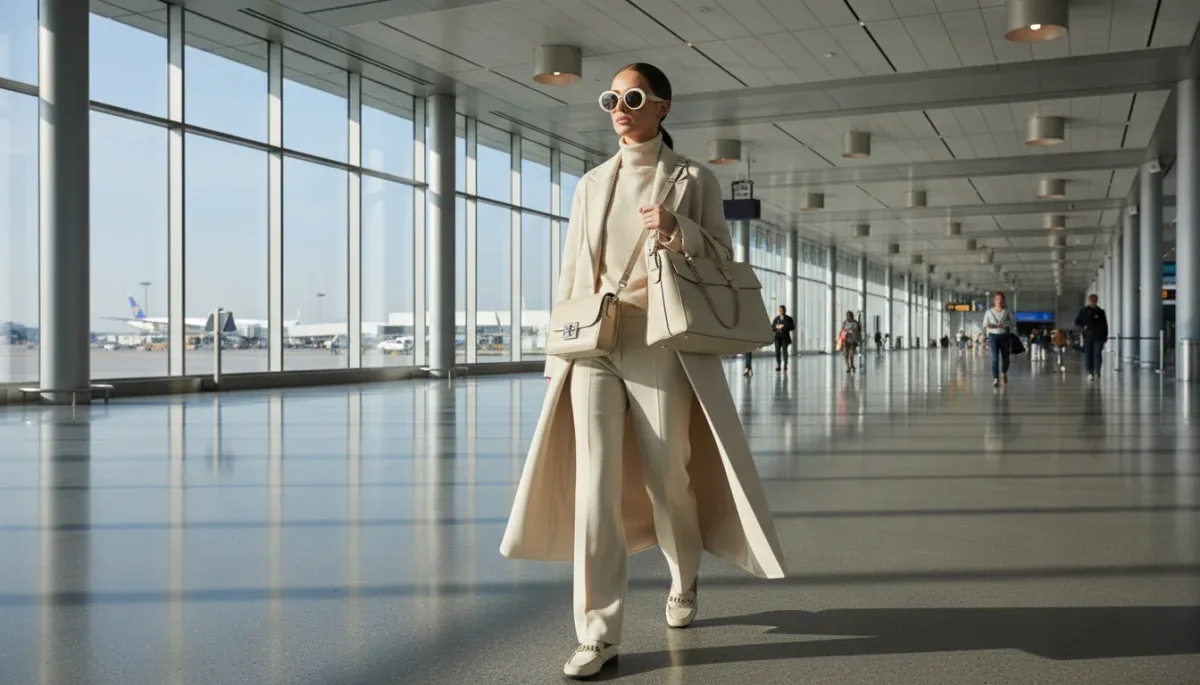
Building a casual monochrome airport outfit like Meghan Markle requires selecting separates in identical or closely related tones, prioritizing breathable knitwear, and balancing relaxed silhouettes with tailored outerwear. Dressing in a single tonal palette creates an elongated, refined silhouette that makes casual, comfortable pieces look deliberate rather than careless.
This approach helps frequent flyers and vacation travelers maintain an elevated appearance without sacrificing mobility or physical comfort during long transit days. The main challenge is managing texture and stain vulnerability, because head-to-toe solid tones, particularly light neutrals, can reveal creases and transit spills much faster than patterned garments.
Selecting the right base color for travel
Creating a successful monochrome airport outfit begins with choosing a shade that flatters your personal style while holding up under the physical demands of modern air travel. Celebrity airport appearances frequently feature soft camel, warm ivory, deep navy, olive, or classic black. Darker tones like rich navy, charcoal, and true black provide the practical benefit of concealing unexpected coffee splashes, grease marks from luggage wheels, or general seat grime encountered on planes and trains.
Advertisement
Lighter tones such as cream, oatmeal, and soft taupe deliver the clean, high-contrast aesthetic often seen in royal travel photos, but they demand greater vigilance. If you choose an ivory or stone palette, look for garments treated with water-resistant finishes or stick to washable fibers that tolerate quick spot cleaning with a damp cloth in an airplane restroom. Sticking to a unified color family also eliminates the stress of coordinating distinct patterns, which cuts packing time significantly.
When selecting your shade, remember that exact color matching between garments from different retailers is rarely necessary. Sticking within tonal variations of the same family—such as pairing an ecru top with sand trousers and a camel overcoat—adds depth and visual richness. This layered shade technique prevents a single-color ensemble from appearing flat or resembling a uniform.
Guidelines for choosing travel-friendly palettes
- Dark charcoal and midnight navy offer the slimming appeal of black while reflecting less transit lint and dust.
- Warm beige and camel tones create an expensive visual finish while hiding minor creases better than bright whites.
- Forest green and deep olive provide an earthy alternative to neutral shades that still pairs smoothly with leather luggage.
- Pure white pieces are best saved for accessories or lightweight tops that sit beneath protective outerwear layers.
Choosing fabrics that survive long flights
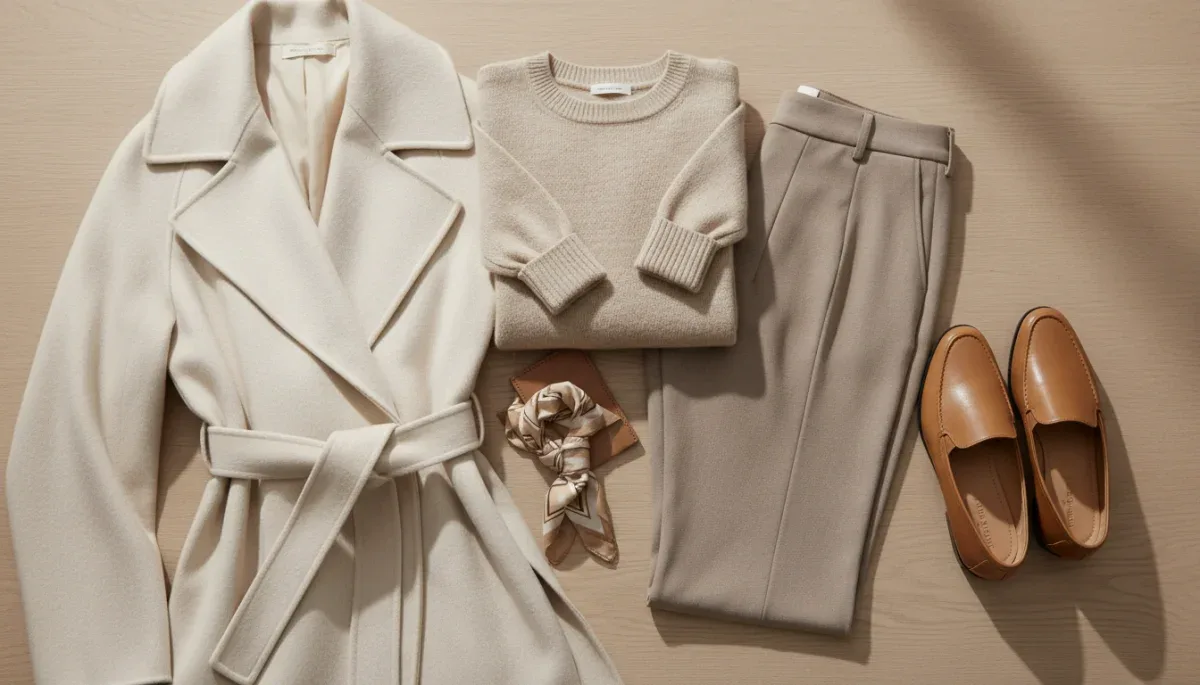
Fabric composition determines whether your monochrome airport outfit still looks intentional after six hours in a pressurized cabin. High-percentage synthetic materials like cheap polyester can trap body heat and retain odor, whereas stiff pure linens crease instantly upon sitting. The ideal travel wardrobe relies on fabric blends that merge the softness of natural fibers with the recovery power of performance yarns.
Merino wool and lightweight cashmere are perennial favorites for travel because their natural fibers regulate temperature effectively across cold terminals and overheated aircraft cabins. These wool fibers bounce back from compression, preventing deep seat wrinkles around the hips and behind the knees. When shopping on a budget, consider fine-gauge cotton-modal knits or ponte fabric, which offers structural weight alongside four-way stretch.
Avoid thin jersey knits that cling or stretch out permanently at the elbows and seat after extended sitting. Instead, seek out medium-weight double-knit textiles that hold their shape from check-in through baggage claim. Garments containing between two and five percent elastane or spandex retain their shape reliably, ensuring your trousers look as crisp when you land as they did when you went through security.
Reliable textiles for transit days
- Ponte di Roma knit provides the clean structure of tailored trousers with the stretch of lounge pants.
- Fine-gauge merino wool offers breathable insulation that resists both odors and noticeable creases.
- Cotton and modal blends feel soft against sensitive skin while draping cleanly across the body.
- Silk-wool blended scarves add warmth without weight and pack flat inside personal item bags.
Layering techniques for shifting cabin temperatures
Temperature control inside terminals and aircraft is notoriously inconsistent, making adaptable layers an essential element of your outfit. A well-designed monochrome ensemble works because each component operates independently while contributing to a unified aesthetic. Start with a foundational base layer, such as a fitted tonal crewneck tee or fine-ribbed tank, that looks complete on its own if the cabin becomes uncomfortably warm.
Add a mid-layer, such as an oversized button-down shirt, a relaxed crewneck sweater, or a lightweight cardigan in a coordinating shade. To echo Meghan Markle’s signature public looks, consider finishing the ensemble with an unlined trench coat, a tailored wool duster, or an unstructured soft blazer. An unstructured coat introduces sharp lines and collar definition that elevate comfortable pull-on trousers into a deliberate outfit.
Outerwear worn during transit also doubles as a practical plane blanket, saving you from relying on airline-issued cabin items. To avoid feeling overwhelmed by fabric, ensure your outer layer has defined structure through the shoulders, even if the body features a relaxed, open-front design. Keeping your coat unbuttoned while walking through the concourse reveals the coordinated layers beneath, emphasizing the vertical monochrome line.
Essential layers for easy adjustments
- A lightweight ribbed tank or tee in your base shade serves as the foundation.
- A relaxed button-up shirt in cotton poplin or soft flannel provides versatile ventilation.
- A drapey cardigan or structured duster jacket creates an elongated vertical line.
- A tonal oversized wrap or pashmina functions as both neck accessory and travel blanket.
Balancing proportions to prevent a sloppy appearance
The primary hazard of dressing entirely in casual loungewear or relaxed knitwear is that the look can quickly veer into sleepwear territory. Maintaining an elevated, celebrity-inspired appearance requires strict attention to visual balance and silhouette proportions. If your trousers feature a relaxed, wide-leg drape, balance them with a slightly more fitted top, or tuck your shirt into the waistband to define your midsection.
Conversely, if you prefer slim-fitting cigarette pants or tailored leggings, balance the narrow lower half with an oversized, chunky knit sweater or a generous outerwear piece. A half-tuck or French tuck—inserting just the center front of your shirt into your waistband—is an effective styling tool for loose clothing. It keeps the hemline from cutting across your thighs while establishing an intentional waistline without sacrificing comfort.
Pay close attention to hem lengths when selecting trousers for travel. Wide-leg styles should skim just above the sole of your walking shoes rather than dragging on damp terminal pavements or dirty restroom floors. Elasticated waists with flat front panels provide the physical comfort of sweatpants while preserving the clean appearance of tailored trousers when viewed from the front.
Proportion pairings that flatter in transit
- Pair wide-leg knit trousers with a tucked-in crewneck shirt and a structured longline coat.
- Combine slim stretch ankle pants with an oversized boyfriend-cut cardigan and flat shoes.
- Balance straight-leg denim containing stretch with a draped turtleneck and an unbuttoned duster jacket.
- Wear a monochrome knit midi skirt with an open cardigan and low-profile leather sneakers.
Footwear and accessories that complete the look
Footwear anchors any travel outfit and directly affects how easily you move through long security lines and sprawling concourses. Pointed-toe leather flats, clean white court sneakers, or minimalist leather loafers complement a casual monochrome outfit without looking excessively athletic. Avoid intricate lace-up boots or strappy shoes that require sitting down to untie at terminal checkpoints.
When selecting accessories, adhere to the tonal theme or use leather accents to provide subtle grounding. A structured leather tote bag or weekender duffel in cognac, black, or matching stone offers functional volume for your essentials while giving the outfit architectural structure. Soft, slouchy gym bags can make an outfit look unpolished, whereas rigid or semi-structured totes maintain their shape even when partially full.
Jewelry should remain minimal and comfortable enough to wear while sleeping against a travel pillow. Thin gold hoop earrings, a delicate pendant necklace, or a simple watch add refined shine that catches the light without triggering metal detector alarms. Complete the ensemble with classic dark sunglasses, which serve the dual purpose of shielding tired eyes after red-eye flights and lending an unmistakable air of off-duty poise.
Practical travel accessory selections
- Slip-on leather mules or loafers with cushioned insoles simplify boarding routines.
- A structured leather or heavy canvas tote holds electronics and travel documents securely.
- Minimalist metal jewelry adds polish without creating comfort issues during transit naps.
- Tortoiseshell or dark acetate sunglasses conceal fatigue upon arrival at your destination.
Navigating airport security without losing your look
A frequent error when dressing for airport elegance is forgetting the realities of security checkpoints. In the United States, Transportation Security Administration regulations typically require travelers without expedited screening credentials to remove outer jackets, belts, and shoes. Designing your monochrome look with these requirements in mind ensures you pass through screening efficiently without leaving your garments disorganized.
Avoid trousers that rely entirely on a metal-buckled belt to stay in place, as removing that belt can leave you adjusting your waistband while collecting luggage bins. Opt instead for trousers with internal drawstrings, side adjusters, or flat elastic bands. Similarly, choose outerwear with clean, simple fastenings rather than complicated belts or oversized metallic buttons that require delicate handling in crowded queues.
If you wear slip-on flats or loafers, pack a pair of discreet tonal socks in your carry-on bag or wear no-show liners. This keeps your bare feet from touching cold checkpoint floors when shoes must be scanned. By planning for security procedures during outfit assembly, you preserve the calm, composed appearance that defines effortless travel style.
At a glance
| Styling factor | What to know |
|---|---|
| Color harmony | Pairing close shades within the same family creates visual depth without clashing. |
| Fabric selection | Choose wrinkle-resistant knits with moderate elastane to prevent bagging at joints. |
| Layering pieces | Use an open structured coat over a tucked base layer to elongate your frame. |
| Footwear choice | Stick to flat, slip-on leather shoes or clean sneakers for security line ease. |
Frequently asked questions
Can I wear an all-white monochrome outfit for international flights?
All-white outfits look striking but pose significant maintenance problems during long international transit days. Spills, dirty armrests, and luggage contact show immediately. Soft ivory, warm oatmeal, or stone provide a similar high-end visual effect while hiding minor dust marks much better than optic white.
What shoes work best with wide-leg monochrome travel pants?
Pointed-toe leather flats or low-profile white leather sneakers pair best with wide-leg travel pants. The pointed toe peeking from beneath wide hems visually elongates your legs, while clean sneakers provide arch support for extended walking across massive airport terminals.
How do I keep knit trousers from losing their shape on planes?
Look for trousers made from tightly twisted yarn blends containing two to four percent elastane or spandex. Avoid loose, heavy acrylic knits, which stretch out permanently at the knees after sitting for several hours in cramped airplane seats.
Can I mix different textures within the same monochrome color?
Mixing textures is actually essential to preventing a single-color outfit from looking like a uniform. Pairing smooth cotton jerseys with ribbed wool knits and tailored twill or leather jackets introduces natural contrast while maintaining a unified, sophisticated aesthetic.
The bottom line
Building a casual monochrome airport outfit inspired by Meghan Markle comes down to balancing relaxed, comfortable knits with structured outer layers and polished leather accessories. By selecting durable, wrinkle-resistant fabrics in cohesive neutral tones, you can navigate lengthy flight schedules in genuine comfort while stepping off the plane looking put-together. Before packing or heading to the terminal, check your airline carry-on size limits and destination forecast to ensure your outer layers suit your arrival climate.
Written by
Maria Eduarda
Maria Eduarda writes about celebrity style steals, budget fashion tips and US fashion events for news4shein.com. Each article explains how things work, compares published details such as prices, policies and program rules, and points readers to the official source before they decide.