
How to attend open New York Fashion Week shows
Advertisement
Attending open New York Fashion Week shows gives fashion enthusiasts a way to view live runway collections firsthand without needing a formal industry press pass or retail buyer credential. The event schedule features several public platforms, consumer-facing ticket programs, and designer showcases designed specifically for general audiences who want to experience the atmosphere of fashion week.
This access helps style followers, aspiring designers, and cultural travelers engage with contemporary fashion directly, though public admission typically requires paid ticketing or early registration for limited-capacity venues. Understanding how these presentations operate ensures that you secure legitimate access, manage your travel budget, and navigate venue rules without unexpected complications.
How public access works during fashion week
New York Fashion Week consists of two distinct operational tiers. The traditional schedule, organized under the Council of Fashion Designers of America (CFDA) official calendar, caters primarily to accredited media, commercial retail buyers, stylists, and celebrity guests. These shows are private, invite-only industry events held at various private studios, historic buildings, and dedicated event spaces across Manhattan and Brooklyn.
Advertisement
Alongside these private presentations, several independent production companies host parallel runway platforms that sell tickets directly to the general public. These open fashion week shows provide a stage for emerging international labels, independent American designers, and sustainable fashion collectives. The production quality, lighting, and runway staging at these venues match standard industry presentations, giving ticket holders an authentic view of seasonal collections.
Additionally, consumer hospitality initiatives occasionally offer official packages. Platforms such as NYFW: The Experience have historically provided limited public packages that bundle runway entry with panel discussions, designer meet-and-greets, and backstage tours. These offerings bridge the gap between closed trade showcases and public participation.
Finding and purchasing consumer tickets
Securing entry to open fashion week shows requires monitoring official ticket releases several weeks before the February (Autumn/Winter) and September (Spring/Summer) presentation cycles. Independent production companies manage their own box offices, primarily distributing tickets through standard online event platforms.
Reliable sources for public show access
- Production platforms such as Runway 7, Art Hearts Fashion, and Flying Solo list single-show and day-pass tickets directly on their official websites.
- Official event aggregators like Eventbrite often host listings for independent designer showcases, student presentations, and fashion week panel discussions.
- The official CFDA Runway App and NYFW digital hubs provide schedules that help visitors identify which brand activations feature open-door public installations.
- Fashion design institutes, such as the Fashion Institute of Technology (FIT) and Parsons School of Design, periodically host seasonal graduate showcases with public RSVP links.
Ticket prices vary widely based on seating tier and production scope. General standing room tickets for independent platforms often start around fifty dollars, while reserved front-row or VIP hospitality packages can cost several hundred dollars. It is essential to purchase directly from official organizers or verified primary ticket partners to avoid speculative resale listings or fraudulent passes.
What to expect when attending a presentation
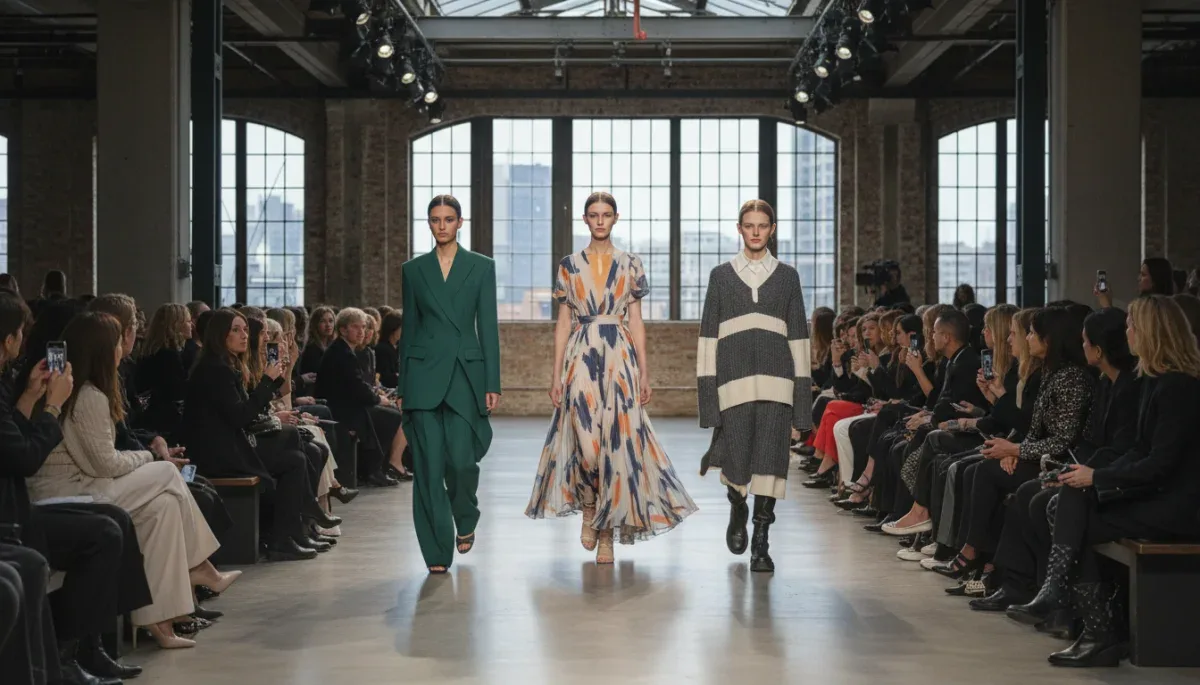
Attending a live runway presentation involves a structured environment with strict timing protocols. While published schedules list specific start times, runway shows routinely begin fifteen to thirty minutes behind schedule to accommodate seating logistics and backstage preparation. Despite these delays, guest check-in closes promptly, and late arrivals are frequently turned away to prevent disruption during model walks.
Venues typically divide audience members into distinct tiers, including front-row reserved seating, second- and third-row seated tiers, and standing-room areas behind the main chairs. If you hold a general admission or standing-room ticket, arriving thirty to forty-five minutes before the posted door time ensures a clearer view of the runway. Security staff manage line queues outside the venue, where attendees wait before entering the security checkpoint.
The actual runway presentation is brief, usually lasting between ten and twenty minutes. During this window, models present between twenty and forty individual looks, accompanied by continuous music and dynamic lighting. Once the final group walk concludes and the designer takes their bow, the audience exits promptly so venue staff can prepare the space for the next scheduled show.
Planning an outfit and practical logistics
There is no rigid dress code for open fashion week shows, but attendees generally dress in polished, creative, or fashion-forward attire. Many guests use the occasion to showcase personal style, wearing structured tailoring, statement coats, or pieces from independent labels. Because fashion week involves significant walking across multi-level venues, comfortable yet elevated footwear is a practical necessity.
Logistical preparation is equally important when moving between event locations in New York City. Shows take place across diverse neighborhoods, including Soho, Chelsea, Tribeca, Midtown, and the Brooklyn Navy Yard. Relying on the New York City subway system is often faster and more predictable than taxis or rideshare services, especially during peak afternoon traffic hours.
Venues enforce strict bag policies and security checks at the door. Bringing oversized backpacks or large shopping bags can delay entry or result in denied access, as coat and bag checks are rarely available for general admission attendees. Carrying a compact shoulder bag with essential items, such as your digital ticket, external phone battery, and identification, will ensure smooth entry.
Independent showcases and free fringe events
In addition to ticketed runway presentations, New York Fashion Week includes numerous free, open-to-the-public satellite events throughout the city. Major fashion houses and beauty brands frequently launch temporary pop-up shops, interactive art installations, and outdoor product displays in high-footprint areas like Meatpacking District and Soho.
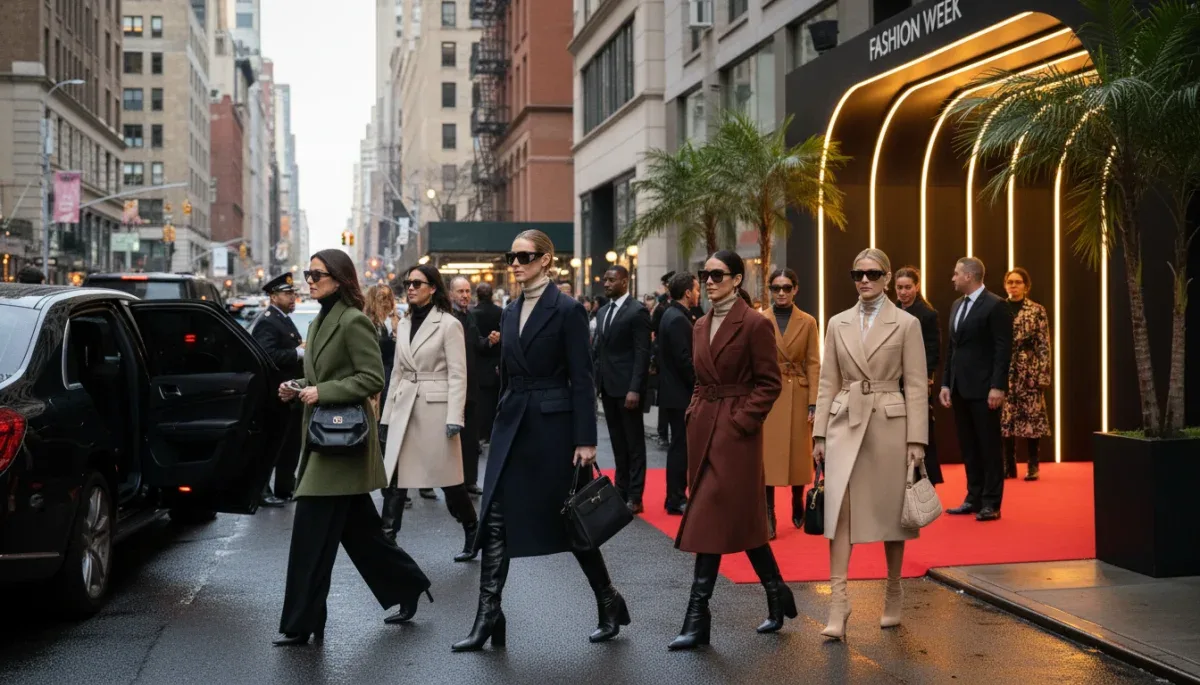
Street style viewing is another popular aspect of the fashion week environment that requires no ticket. Public sidewalks outside major centralized hubs, such as Spring Studios or dedicated cultural venues, attract photographers, fashion editors, and stylists. Observing the arrivals and departures outside these venues allows fashion enthusiasts to view current styling trends in person.
Cultural institutions and retail flagships also coordinate free programming during fashion week calendar dates. Department stores such as Bergdorf Goodman and Saks Fifth Avenue, alongside museum spaces like The Museum at FIT, regularly host free fashion exhibitions, designer panel talks, and window installations that explore fashion history and garment construction.
At a glance
| Factor | What to know |
|---|---|
| Ticket availability | Open shows offer public tickets through independent production platforms and event platforms. |
| Show run time | Runway walks last ten to twenty minutes, but entry queues require arriving early. |
| Venue dress code | Smart casual to creative attire is standard, with practical walking footwear recommended. |
| Transit method | Subway transit is generally more reliable than rideshares between crowded venue neighborhoods. |
Frequently asked questions
Can anyone buy tickets to New York Fashion Week?
Yes, anyone can purchase tickets to consumer-facing platforms like Runway 7 and Art Hearts Fashion. While traditional CFDA calendar presentations remain private for industry professionals, independent open showcases sell tickets directly to the general public online.
How much do open fashion week show tickets cost?
Ticket prices generally range from fifty dollars for general standing room at independent showcases to several hundred dollars for VIP reserved seating. Prices depend on the organizer, venue tier, and included hospitality perks.
How early should I arrive before a runway show?
You should arrive thirty to forty-five minutes before the ticketed door time. Venues close their entry doors strictly once production starts, and early arrival gives standing-room guests a better view of the runway.
Are photography and video allowed during the presentations?
Yes, attendees are generally permitted to take photos and record video using smartphones from their seats or standing spots. Professional camera rigs and tripods are restricted to accredited press members in the media pit.
The bottom line
Attending open New York Fashion Week shows offers an accessible way to experience live runway productions, discover independent designers, and observe contemporary styling trends without formal industry accreditation. Success depends on purchasing tickets through verified production websites, planning transit between venues realistically, and adhering to strict check-in windows. Before buying passes, confirm the exact venue address and refund policy directly on the official organizer website.
Written by
Rita Luiza
Rita Luiza writes about US fashion events, seasonal fashion trends and budget fashion tips for news4shein.com. Each article explains how things work, compares published details such as prices, policies and program rules, and points readers to the official source before they decide.