Recycled Polyester: Future of US Fashion?

Advertisements
Recycled polyester is rapidly gaining traction in the US fashion industry due to its environmental benefits and versatility, positioning itself as a key player in the shift towards more sustainable clothing production and consumption patterns.
Advertisements
In an era where environmental consciousness is paramount, the fashion industry faces increasing pressure to adopt sustainable practices. One material rapidly rising to prominence is recycled polyester fashion, offering a potential pathway to a more eco-friendly future. But is this fabric truly the answer for the United States fashion landscape, or does it present its own set of challenges?
The Ascent of Recycled Polyester in US Fashion
The journey of recycled polyester from waste to runway is a compelling narrative, reflecting a broader shift in consumer values and industry priorities within the United States. Its increasing adoption isn’t merely a trend; it’s a strategic move by brands aiming to reduce their environmental footprint and appeal to a growing market of eco-conscious consumers.
Initially, polyester gained a reputation for its durability and wrinkle resistance but was heavily criticized for its petroleum-based origins. Recycled polyester, primarily made from post-consumer plastic bottles (PET), addresses a significant portion of this concern by diverting waste from landfills and oceans.
From bottles to fabric: The transformation process
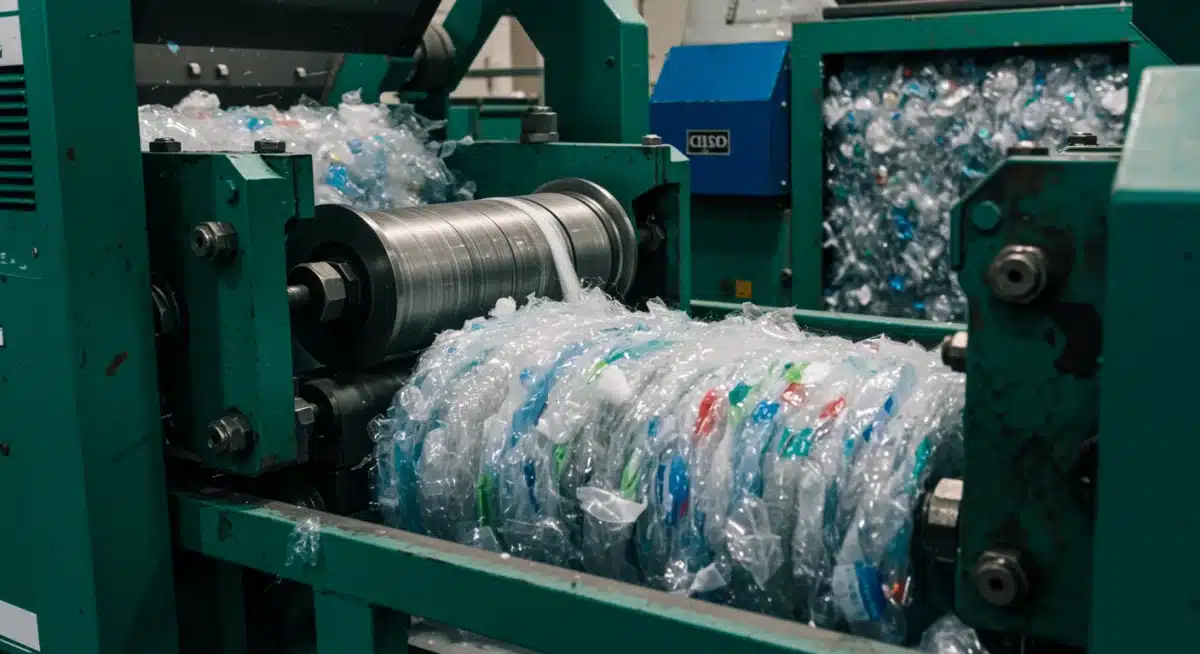
The creation of recycled polyester is an ingenious process that gives new life to discarded plastics. This transformation is pivotal in understanding its environmental advantages.
- Collection and Sorting: Post-consumer plastic bottles are collected, sorted by color and type, and then cleaned to remove labels and caps.
- Shredding and Melting: The clean plastics are shredded into flakes, which are then melted down into a liquid polymer.
- Extrusion and Spinning: The molten polymer is extruded through spinnerets to create fine fibers, which are then spun into yarn.
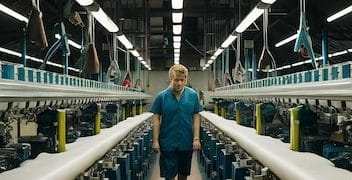
- Fabric Production: This yarn is then woven or knitted into various fabrics suitable for clothing, activewear, and even home textiles.
This process not only reduces plastic waste but also conserves energy and water compared to producing virgin polyester. The environmental benefits are substantial, making it an attractive option for brands committed to sustainability.
The material’s versatility also plays a crucial role in its widespread acceptance. Recycled polyester can mimic the properties of virgin polyester, offering similar durability, moisture-wicking capabilities, and dye retention. This means designers don’t have to compromise on performance or aesthetics when choosing sustainable alternatives, a key factor in its successful integration into diverse fashion segments, from high fashion to everyday wear.
Environmental Impact and Sustainability Claims
The primary driver behind the surge in recycled polyester’s popularity is its promise of a reduced environmental impact. Understanding these claims and their nuances is crucial for both consumers and industry professionals.
Recycled polyester significantly lessens reliance on new petroleum resources, which are finite and contribute to greenhouse gas emissions during extraction and processing. By utilizing existing plastic waste, the demand for virgin fossil fuels decreases, leading to a smaller carbon footprint.
Reducing plastic waste and carbon emissions
The most immediate and tangible benefit of recycled polyester is its role in diverting plastic from landfills and oceans. Millions of tons of plastic waste are generated globally each year, and a substantial portion of this is PET plastic, ideal for recycling into fabric.
Studies indicate that producing recycled polyester can reduce energy consumption by up to 59% and carbon dioxide emissions by up to 32% compared to producing virgin polyester. These figures are compelling arguments for its adoption, especially in a country like the US with significant plastic consumption.
- Diverts Landfill Waste: Reduces the amount of plastic waste accumulating in landfills, which can take hundreds of years to decompose.
- Ocean Protection: Helps prevent plastic pollution from entering marine ecosystems, protecting wildlife and biodiversity.
- Lower Energy Consumption: Requires less energy to produce than virgin polyester, contributing to lower greenhouse gas emissions.
- Reduced Water Usage: Often uses less water in its production cycle compared to conventional polyester manufacturing.
However, it’s also important to acknowledge that recycled polyester is not a perfect solution. The recycling process itself requires energy and infrastructure, and the material still faces challenges such as microplastic shedding during washing. While it addresses the beginning of the material lifecycle by using waste, the end-of-life considerations for recycled polyester garments remain a complex issue, as further recycling of textiles is still technologically challenging and not widely scalable.
Market Growth and Consumer Demand in the US
The demand for sustainable fashion in the US is no longer a niche market; it’s a rapidly expanding segment influencing purchasing decisions across demographics. This shift is a significant catalyst for the growth of recycled polyester.
Consumers, particularly younger generations, are increasingly scrutinizing the environmental and ethical practices of brands. They are willing to pay a premium for products that align with their values, driving companies to innovate and adopt more sustainable materials.
Major brands embracing recycled polyester
Numerous prominent US and international brands have integrated recycled polyester into their collections, signaling a strong commitment to sustainability and responding directly to consumer demand. This widespread adoption has normalized the material and made it more accessible.
- Activewear Giants: Companies like Nike and Adidas heavily feature recycled polyester in their athletic apparel, leveraging its performance characteristics.
- Mainstream Retailers: Brands such as H&M, Zara, and Patagonia have incorporated recycled polyester into their everyday clothing lines, making sustainable options available to a wider audience.
- Luxury and Designer Labels: Even high-end brands are exploring recycled materials, demonstrating that sustainability is becoming a marker of modern luxury.
The market for recycled polyester is projected to grow significantly in the coming years, driven by both consumer preference and corporate sustainability goals. The US market, with its strong consumer spending power and growing environmental awareness, is a key driver of this trend. Brands that fail to adapt risk losing market share to more forward-thinking competitors.
This market growth is not just about environmental benefits; it also presents economic opportunities. The development of robust recycling infrastructure and new manufacturing processes creates jobs and stimulates innovation within the textile industry. As technology advances, the quality and variety of recycled polyester fabrics continue to improve, further broadening their appeal and applications in fashion.
Challenges and Criticisms of Recycled Polyester
While recycled polyester offers compelling advantages, it’s essential to critically examine the challenges and criticisms surrounding its production and use. A balanced perspective acknowledges that no material is without its drawbacks, and recycled polyester is no exception.
One of the most persistent concerns is the issue of microplastic shedding. Like virgin polyester, recycled polyester garments release tiny plastic fibers into waterways during washing. These microplastics can enter the food chain and have detrimental effects on ecosystems and potentially human health.
Microplastic pollution and chemical treatment
The problem of microplastic pollution is a complex one, and while recycled polyester helps reduce plastic waste, it doesn’t solve the microplastic issue inherent to synthetic fibers. Researchers are actively exploring solutions, such as laundry filters and innovative fabric finishes, but a comprehensive industry-wide solution is still needed.
Another concern revolves around the chemical processes involved in recycling. While mechanical recycling (shredding and melting) is common, chemical recycling processes can involve various solvents and chemicals. Ensuring these processes are environmentally sound and that no harmful residues remain in the fabric is crucial for true sustainability.
Furthermore, the sourcing of plastic bottles for recycling can also be a point of contention. Some critics argue that relying on plastic bottle waste for textiles might reduce the availability of bottles for closed-loop bottle-to-bottle recycling, which is often considered a more efficient use of the material. There’s a debate about whether textiles should compete with other industries for this valuable resource.
The longevity and recyclability of recycled polyester garments themselves also pose a challenge. While the material is durable, textile-to-textile recycling is still in its nascent stages. Most recycled polyester garments, once they reach the end of their life, are not easily re-recycled back into new clothing, often ending up in landfills or incinerators. This highlights the need for further innovation in textile recycling technologies to truly achieve a circular fashion economy.
Innovation and Future Outlook
Despite the challenges, the trajectory of recycled polyester continues to be one of innovation and expansion. The fashion industry, driven by both necessity and opportunity, is investing heavily in research and development to overcome existing limitations and unlock new potential for this material.
Advancements in recycling technologies are at the forefront of this innovation. Chemical recycling, though currently less widespread than mechanical recycling, holds promise for creating higher-quality recycled fibers that can be re-recycled multiple times without significant degradation. This could lead to a truly circular system for polyester.
Beyond PET bottles: Exploring new sources
While PET plastic bottles are the primary source for recycled polyester, researchers and companies are exploring alternative feedstock sources to broaden the material’s impact. This includes:
- Ocean Plastic: Collecting plastic waste directly from oceans and coastlines for recycling into textiles.
- Textile Waste: Developing technologies to recycle post-industrial and post-consumer polyester textiles back into new fibers. This is a significant step towards a circular fashion system.
- Mixed Plastics: Innovations in separating and recycling mixed plastic waste streams that were previously deemed unrecyclable.
These developments aim to reduce reliance on a single waste stream and enhance the overall sustainability of recycled polyester. The goal is to create a more robust and diverse supply chain that can truly support a circular fashion economy.
Furthermore, efforts are underway to address the microplastic shedding issue. Fabric treatments, innovative weaving techniques, and even consumer-level solutions like microplastic-filtering laundry bags are being developed. The industry is also exploring bio-based polyesters that mimic the properties of traditional polyester but are derived from renewable resources, offering another avenue for sustainable material development.
Navigating Consumer Choices and Brand Transparency
For consumers in the US, navigating the landscape of sustainable fashion can be complex. Understanding what recycled polyester truly means and how to make informed purchasing decisions is crucial. Brand transparency plays a vital role in this process.
When shopping, look for clear labeling that specifies the percentage of recycled content and the type of recycled material used (e.g., post-consumer PET). Certifications from reputable organizations can also provide assurance regarding the authenticity and sustainability claims of a product.
What to look for as a conscious consumer
Being an informed consumer involves more than just checking for the ‘recycled’ label. It requires a holistic understanding of a garment’s lifecycle.
- Certifications: Look for certifications like the Global Recycled Standard (GRS) or the Recycled Claim Standard (RCS), which verify the recycled content of products.
- Brand Transparency: Support brands that openly share information about their supply chains, manufacturing processes, and sustainability initiatives.
- Care Instructions: Follow care instructions to prolong the life of your garments and consider using laundry bags designed to catch microfibers.
- Circular Initiatives: Prioritize brands that offer take-back programs or encourage the recycling of their products at the end of their life.
The role of brands in educating consumers cannot be overstated. Clear communication about the benefits and limitations of recycled polyester, as well as guidance on product care and disposal, empowers consumers to make choices that align with their values.

Ultimately, the future of recycled polyester in US fashion depends on a collaborative effort between manufacturers, designers, consumers, and policymakers. As the industry continues to evolve, the demand for truly sustainable and circular solutions will only grow, pushing innovation and driving positive change.
The Economic and Regulatory Landscape
The adoption of recycled polyester in the US fashion industry is not solely driven by environmental concerns or consumer demand; it’s also shaped by economic incentives and an evolving regulatory landscape. These external factors play a significant role in accelerating the transition towards more sustainable materials.
Governments at both federal and state levels are increasingly recognizing the importance of circular economy principles. This translates into policies and initiatives that encourage recycling, reduce waste, and promote the use of recycled content in products.
Incentives and policies promoting recycling
Various measures are being implemented or considered to support the recycled polyester ecosystem:
- Tax Credits and Subsidies: Financial incentives for companies that invest in recycling infrastructure or utilize recycled materials in their production.
- Extended Producer Responsibility (EPR): Policies that hold manufacturers accountable for the entire lifecycle of their products, including their disposal and recycling. This can spur innovation in material choices.
- Public Procurement: Government agencies prioritizing the purchase of products made from recycled content, creating a stable market demand.
- Research and Development Funding: Investment in new technologies for textile recycling and microplastic mitigation.
These regulatory frameworks and economic incentives help level the playing field, making recycled polyester a more economically viable option for businesses. As the cost of virgin materials fluctuates and the pressure to meet sustainability targets increases, the economic case for recycled polyester becomes even stronger.
Furthermore, the growth of the green economy provides new business opportunities. Companies specializing in plastic collection, sorting, and processing, as well as those developing innovative recycling technologies, are seeing increased investment and expansion. This creates a virtuous cycle where economic growth and environmental benefits reinforce each other, positioning recycled polyester as a cornerstone of sustainable development in the US fashion sector.
| Key Aspect | Brief Description |
|---|---|
| Environmental Benefits | Reduces plastic waste, lowers energy consumption and CO2 emissions compared to virgin polyester. |
| Market Growth | Driven by increasing consumer demand for sustainable fashion and major brand adoption in the US. |
| Key Challenges | Microplastic shedding and the current limitations of textile-to-textile recycling. |
| Future Innovations | Advancements in chemical recycling and exploration of new waste sources beyond PET bottles. |
Frequently Asked Questions About Recycled Polyester
Recycled polyester is primarily made from post-consumer PET plastic bottles, which are collected, cleaned, shredded, melted, and then spun into new fibers. Some forms also utilize ocean plastics or textile waste, contributing to waste reduction efforts.
It offers significant sustainability benefits by reducing plastic waste and lowering energy and carbon emissions compared to virgin polyester. However, it still faces challenges like microplastic shedding and limited textile-to-textile recycling capabilities.
Yes, like all synthetic fabrics, recycled polyester garments can shed microplastic fibers during washing. Researchers are working on solutions like fabric treatments and laundry filters to mitigate this environmental concern.
Its main advantages include diverting plastic waste from landfills and oceans, reducing reliance on fossil fuels, and lowering energy consumption and greenhouse gas emissions during production. It offers comparable performance properties.
Consumers should look for clear labeling indicating recycled content, often specified as a percentage. Certifications like the Global Recycled Standard (GRS) or Recycled Claim Standard (RCS) provide independent verification of the recycled material’s authenticity.
Conclusion
The rise of recycled polyester in US fashion represents a critical step towards a more sustainable industry. While it offers substantial environmental benefits by repurposing plastic waste and reducing resource consumption, it is not without its complexities, particularly regarding microplastic pollution and end-of-life solutions for garments. The ongoing innovation in recycling technologies and the increasing demand from conscious consumers suggest a promising future for this material. However, achieving true circularity will require continued collaboration across the supply chain, robust regulatory support, and a commitment to transparency from brands, ensuring that recycled polyester fashion genuinely contributes to a healthier planet.