

How Runway Trends Become Everyday Retail Inventory
Advertisement
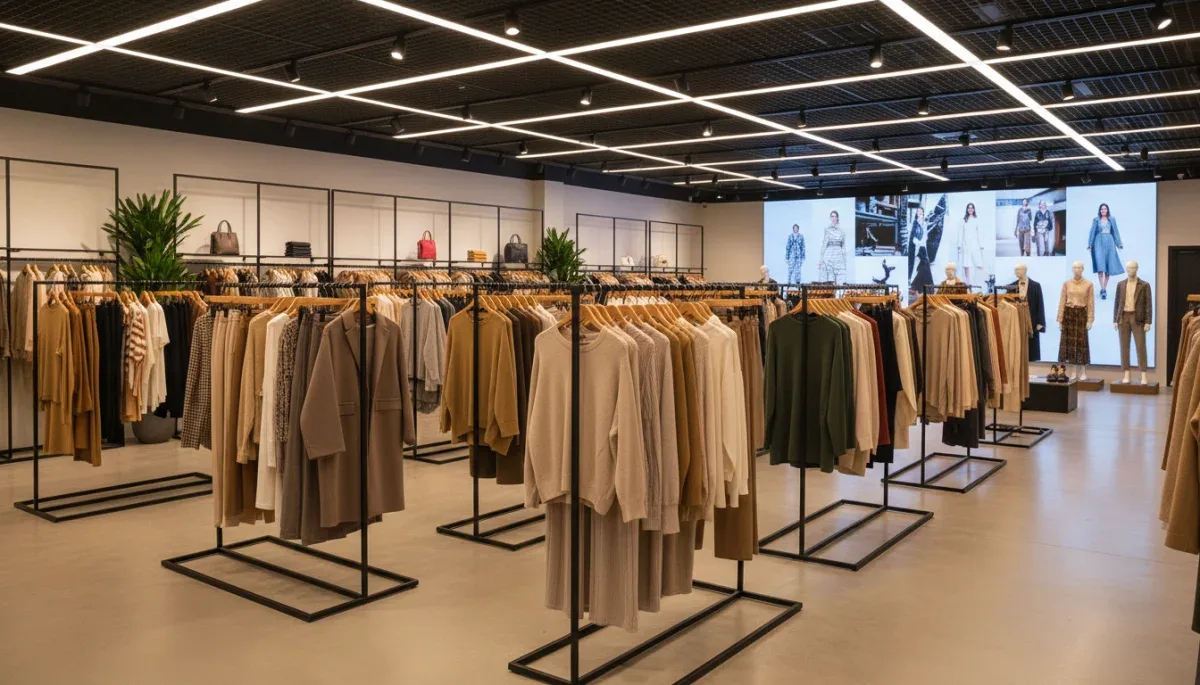
New York Fashion Week directly determines the colors, cuts, and materials that appear on everyday retail store racks approximately six months after designers present their collections. Commercial apparel brands use these runway presentations as a master blueprint to forecast consumer demand and manufacture affordable wardrobe staples.
This design pipeline helps budget-conscious shoppers access fresh seasonal aesthetics without designer price tags, though mass-market versions typically rely on synthetic fabric blends and simplified construction techniques to keep costs accessible.
The six-month production cycle from runway to rack
The traditional fashion calendar operates on a deliberate timeline organized around two major presentations each year. Designers show their fall and winter lines in February, followed by their spring and summer collections in September. This structured gap gives retail merchandising teams sufficient time to translate conceptual runway ideas into mass-manufactured garments.
Advertisement
During and immediately following the runway shows, commercial fashion buyers, creative directors, and supply chain planners review every collection to identify recurring motifs. They look for overarching shifts in hemline lengths, waist rises, shoulder structures, and decorative hardware that can succeed in mainstream markets.
Key stages of commercial apparel development
- Trend aggregation: Retail teams analyze runway photographs to identify dominant silhouettes, patterns, and style accents.
- Technical sampling: Pattern makers draft simplified templates suitable for standardized sizing and industrial machinery.
- Fabric procurement: Sourcing agents purchase large quantities of budget-friendly textiles that mimic luxury runway drape.
- Bulk distribution: Finished garments travel through logistics hubs to reach physical store shelves and digital warehouses on schedule.
Translating high-concept silhouettes into wearable basics
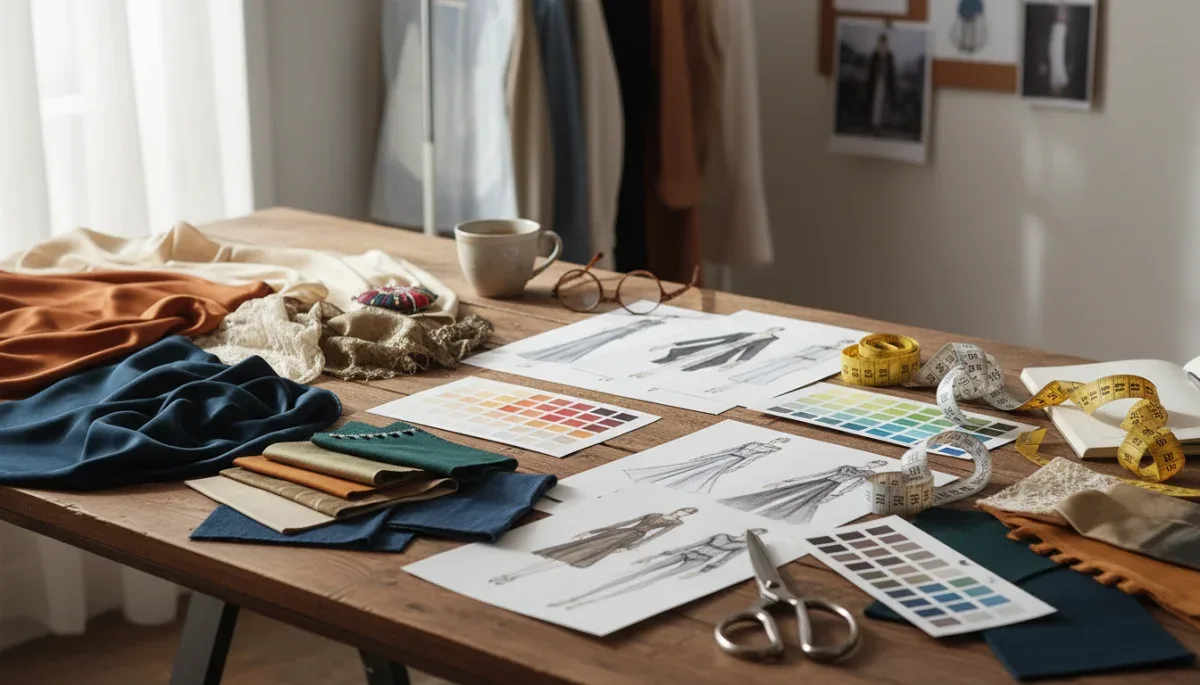
Runway fashion often prioritizes theatricality and artistic expression over practical daily wear. Avant-garde pieces feature exaggerated proportions, unlined structures, or delicate elements that do not suit work environments, daily commuting, or routine laundering. Mass-market retailers must convert these artistic concepts into functional items.
When retail product teams adapt an extreme runway look, they isolate the most recognizable element and temper the rest of the garment. For example, an oversized sculptural shoulder shown on a New York runway might become a subtle puff sleeve on a commercial cotton blouse. A dramatic floor-length sheer skirt is reinterpreted as a lined midi dress with sheer paneling near the hem.
This process of commercial softening ensures that garments appeal to a broad demographic while retaining a modern feel. Retailers focus heavily on comfort, ease of movement, and standard vanity sizing, ensuring that the finished product accommodates diverse body shapes without requiring custom tailoring.
Color forecasting and fabric adaptation for budget brands
Color is the fastest and most direct element to transition from the runway to mass retail inventory. Major trend forecasting firms and color institutes establish core palettes before fashion week begins, which designers then showcase in their collections. Once buyers see these hues repeated across multiple shows, retail mills start dyeing yarn and fabric in matching tones.
Fabric selection, however, undergoes significant alteration to meet retail price constraints. High-end designers often construct runway pieces using silk organza, pure cashmere, heavyweight wool, and bespoke jacquards. Mass-market apparel brands substitute these expensive natural fibers with practical, cost-effective alternatives.
Common fabric substitutions in retail manufacturing
- Silk to polyester: Lightweight woven polyester or rayon mimics the drape and sheen of luxury silk at a fraction of the cost.
- Cashmere to acrylic: Blended acrylic and fine-gauge cotton yarns replicate the softness of luxury wools while offering machine-washable care.
- Leather to polyurethane: Synthetic vegan leather provides the structured appearance of genuine hides while remaining affordable and uniform.
Fast fashion versus traditional department store timelines
Different retail sectors interact with New York Fashion Week through distinct business models. Traditional department stores and specialty chains adhere strictly to the classic six-month manufacturing window. They place bulk orders with overseas factories months in advance, committing to large inventory volumes that arrive at the start of each calendar season.
In contrast, modern fast-fashion brands and agile digital retailers operate on compressed production cycles that take only a few weeks. These companies use digital imagery from runway livestreams to design, sample, and produce small test batches almost immediately. If a particular style gains traction on social media during fashion week, fast-fashion retailers can stock matching items before the runway season officially concludes.
This split dynamic creates two distinct shopping experiences for consumers. Budget-focused shoppers who want immediate runway interpretations turn to fast-turnaround digital brands, while those seeking sturdier, season-long wardrobe investments generally wait for the curated collections arriving in department stores months later.
How inventory decisions impact sale racks and clearance cycles
Retail stores purchase inventory based on projected demand, but consumer adoption of runway trends is never guaranteed. When a bold style featured prominently during fashion week fails to catch on with everyday shoppers, retailers must quickly adjust their floor plans to clear excess stock and protect profit margins.
Stores typically give a new seasonal collection four to six weeks to sell at full retail price. If sales data shows low sell-through rates on specific runway-inspired pieces, such as unconventional colorways or polarizing cuts, the merchandising team initiates gradual markdowns. These items move from front-of-store feature displays to promotional tables, eventually ending up on clearance racks.
Savvy shoppers can use this inventory rhythm to their advantage. Recognizing which items represent fleeting, experimental runway micro-trends allows consumers to bypass initial retail markups and purchase those exact styles at deep discounts midway through the retail season.
At a glance
| Factor | What to know |
|---|---|
| Lead time | Mainstream stores receive runway-inspired stock five to six months after the initial shows. |
| Design modifications | Extreme silhouettes are toned down with modest cuts and practical closures for daily wear. |
| Material adjustments | Luxury natural textiles are replaced with durable synthetic and cotton blends to lower retail prices. |
| Markdown windows | Slow-moving trend items generally see their first price cuts after four to six weeks on store racks. |
Frequently asked questions
Why do fashion week shows happen so far ahead of the actual season?
Designers present collections months early to give retail buyers time to place wholesale orders and allow factories to source fabrics, cut patterns, and manufacture inventory in bulk before the weather changes.
How do budget stores make runway looks affordable?
Budget brands lower costs by substituting luxury fabrics with polyester, cotton, and acrylic blends, simplifying internal garment construction, and producing pieces in massive quantities through standardized factory assembly lines.
Can consumers buy clothes directly from the runway during fashion week?
Most runway garments are prototypes not immediately available for retail purchase, though select luxury fashion houses occasionally offer limited see-now-buy-now capsule items directly through their official online storefronts.
How do retail buyers decide which runway trends to order?
Buyers evaluate past sales data, current social media engagement, and regional customer preferences to choose runway styles that can be successfully adapted for everyday comfort and standard sizing.
The bottom line
New York Fashion Week serves as the creative engine that drives mass-market retail inventory, determining the colors, shapes, and fabrics that line everyday store racks months later. While high-fashion presentations emphasize bold artistic vision, commercial retailers focus on wearable adaptations and budget-friendly textiles. Before investing in runway-inspired seasonal pieces, check the garment care label and fabric composition to ensure the item offers long-term durability for its price.
Written by
Rita Luiza
Rita Luiza writes about US fashion events, seasonal fashion trends and budget fashion tips for news4shein.com. Each article explains how things work, compares published details such as prices, policies and program rules, and points readers to the official source before they decide.