
Silk vs Satin Pillowcases for Hair and Skin Friction
Advertisement
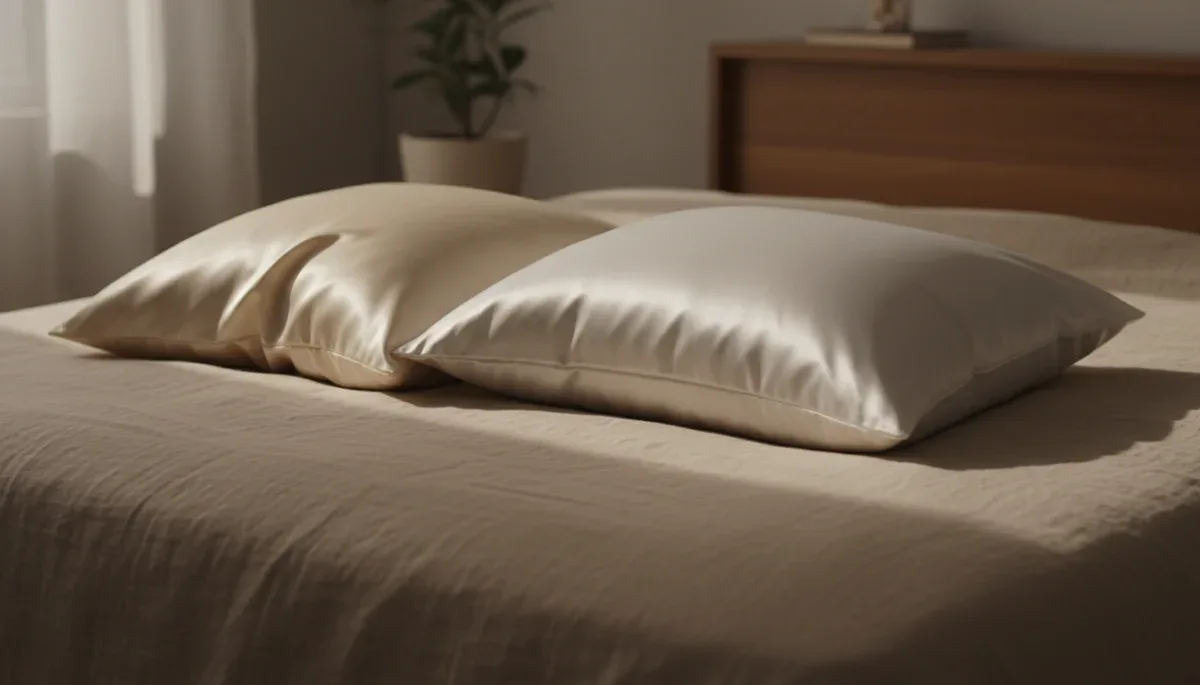
Both silk and satin pillowcases reduce friction against hair and skin compared to traditional cotton, but silk is a natural protein fiber while satin is a weaving technique usually produced from synthetic polyester. The difference between them determines how each fabric breathes, holds moisture, withstands washing, and fits into an everyday personal care budget.
This comparison helps anyone dealing with morning hair tangles, sleep creases, or dry skin decide whether an investment in raw silk provides enough practical value over affordable synthetic satin. The main trade-off centers on upfront price and laundering requirements, because natural fibers demand careful handling while synthetic weaves deliver surface slip at a fraction of the cost.
How fiber structure changes friction on hair and skin
Traditional bedding woven from plain cotton features perpendicular threads that create microscopic resistance against external surfaces. When you shift positions during sleep, hair strands catch on these coarse fibers, lifting the outer hair cuticle and creating tangles. Skin experiences similar mechanical drag, which contributes to temporary compression lines and sleep creases. Silk and satin resolve this issue through different structural mechanisms.
Advertisement
Silk is an animal protein fiber harvested from the cocoons of the Bombyx mori silkworm, commonly sold as mulberry silk. The individual filaments are naturally round, smooth, and continuous, giving the yarn an inherently low coefficient of friction. When woven into fabric, silk allows strands of hair and facial skin to slide across the pillow with minimal mechanical traction.
Satin, on the other hand, is not a raw material. It is a specific type of textile weave characterized by long floating warp threads that sit on the surface of the cloth. This structure creates a glossy, slippery face and a dull back. While satin was historically produced from silk threads, modern consumer pillowcases labeled simply as satin are almost universally made from polyester, nylon, or rayon filaments. These synthetic threads mimic the slippery exterior of pure silk by providing an artificial surface that reduces physical drag.
Moisture retention differences between protein fibers and synthetics
Beyond surface smoothness, the way a pillowcase interacts with moisture has direct consequences for overnight skin hydration and hair condition. Standard cotton is notoriously absorbent, drawing natural oils and expensive facial serums away from your face and into the pillow core. Both silk and synthetic satin absorb far less liquid than cotton, but they behave differently against the skin.
Silk contains natural amino acids and a trace protein called sericin. Because it is chemically similar to human skin and hair keratin, silk is semi-permeable. It allows slight vapor exchange without pulling topical creams or natural sebum out of the epidermis. This balance helps maintain surface hydration levels throughout the night, making silk suitable for individuals with sensitive skin, eczema, or chronically parched hair.
Polyester satin is chemically non-porous and hydrophobic. It repels water completely rather than balancing vapor exchange. Because polyester does not absorb liquid, nightly moisturizers remain on your face rather than soaking into the fabric. However, because synthetic satin does not breathe, sweat and excess oil can remain trapped against the surface of the skin during warm nights, which can trigger blemishes for acne-prone sleepers.
Key moisture characteristics to evaluate
- Absorption capacity: Cotton absorbs up to twenty-seven times its weight in water, whereas silk absorbs significantly less and polyester absorbs almost none.
- Product retention: Non-absorbent polyester keeps topical serums entirely on your face, while silk allows gentle breathability without stripping moisture.
- Skin compatibility: Silk provides a balanced environment for dry or reactive skin, whereas synthetic satin works best for normal skin that does not overheat.
Hair breakage, split ends, and morning tangles
Mechanical stress during sleep is a primary cause of non-chemical hair damage. Tossing and turning on rough textiles creates friction that frays the protective cuticle layer of the hair shaft. Over weeks and months, this friction leads to split ends, dullness, frizz, and premature breakage, especially for textured, bleached, or fragile hair.
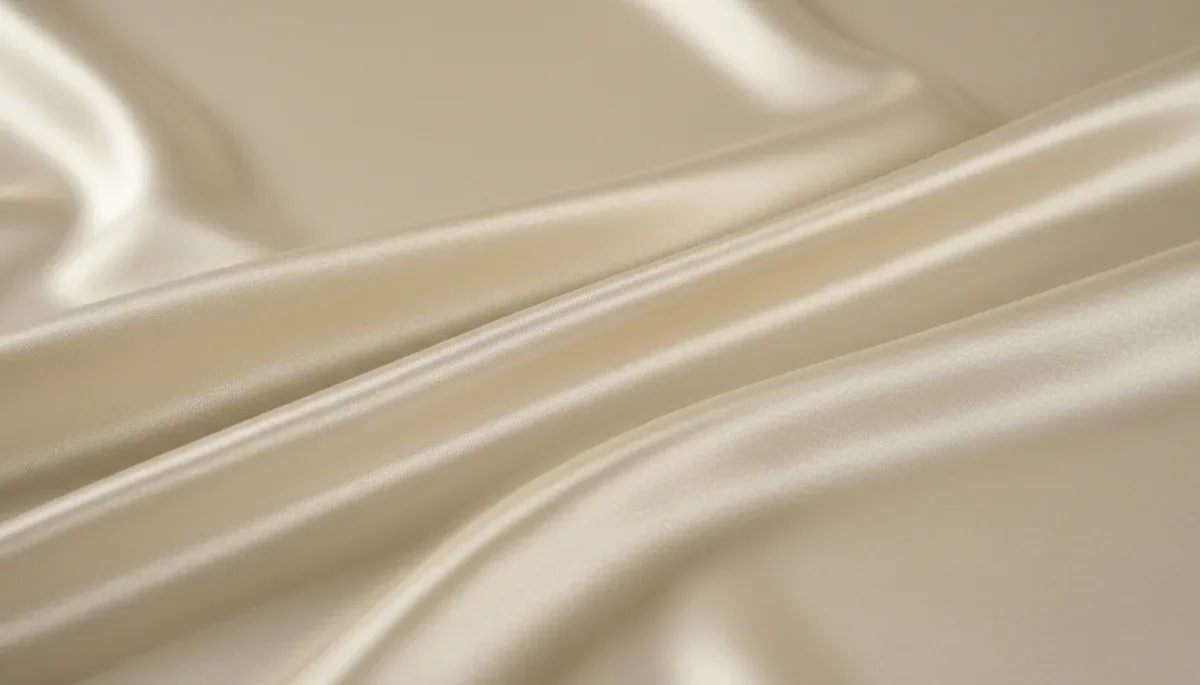
When hair slides over silk or satin, the absence of friction preserves the alignment of the cuticle. This gliding action prevents the knotting commonly referred to as bed head. For people with curly or coily hair types classified under the Walker system as type 3 and type 4, maintaining curl clumps requires preserving hair moisture and avoiding abrasive physical contact. Both silk and polyester satin preserve curl patterns overnight by eliminating the tugging caused by standard percale or sateen cotton.
Synthetic satin creates a very slick, glass-like surface that lets hair slide freely. Silk offers a softer, more supple glide that feels less synthetic and does not generate static electricity. Because polyester is an electrical insulator, synthetic satin pillowcases can occasionally produce static cling during dry winter months, causing flyaway hairs. Natural silk dissipates static naturally, keeping fine hair flat and smooth.
Temperature regulation and night sweating
A sleeper's comfort depends heavily on how bedding regulates thermal output. The body drops its core temperature slightly during deep sleep stages, releasing heat and vapor into the surrounding environment. The material covering your pillow plays an immediate role in whether that heat disperses or accumulates around your head and neck.
Natural silk is a thermoregulating textile. The structure of silk fibers includes microscopic voids that trap air in cold environments to provide light warmth, while permitting excess body heat to vent outward when temperatures rise. As a result, pure silk feels cool to the touch when you first lie down and maintains a stable, comfortable temperature throughout the sleep cycle without inducing perspiration.
Polyester satin does not offer natural thermal regulation. As a petroleum-derived polymer, polyester acts as a thermal barrier that reflects body heat back toward the sleeper. While satin feels cold for the first several seconds of contact due to its smooth surface, it quickly warms up and traps heat beneath the head. For individuals who experience night sweats or run hot during sleep, synthetic satin can become clammy, negating some of its frictional benefits by causing mild discomfort.
Durability, laundry demands, and long-term upkeep
The daily reality of maintaining a pillowcase often dictates whether it remains a practical part of a household routine. Pillowcases collect dead skin cells, sebum, residual hair oils, and ambient dust, which means they must be cleaned regularly to prevent hygiene problems. The maintenance profiles of silk and synthetic satin represent opposite ends of the laundry spectrum.
Synthetic satin is exceptionally resilient. Because polyester consists of durable synthetic filaments, a satin pillowcase can be washed in a standard washing machine with ordinary commercial laundry detergent. It resists wrinkling, dries rapidly on a low-heat dryer cycle or clothesline, and withstands repeated weekly washings without losing its glossy finish or structural integrity. It is an ideal, low-maintenance option for busy households.
Mulberry silk requires careful, deliberate handling. Silk fibers weaken when exposed to high heat, harsh chemicals, and aggressive agitation. To preserve pure silk, you must use a pH-neutral liquid detergent specifically formulated for delicate fabrics or wool. The pillowcase should be washed by hand or placed in a mesh laundry bag on a gentle machine cycle using cold water. It must never be placed in a high-heat dryer, as thermal stress shrinks and brittles the natural protein filaments, destroying its soft texture.
Guidelines for washing silk bedding
- Detergent selection: Use an enzyme-free, pH-neutral liquid cleanser to protect delicate natural protein bonds.
- Water temperature: Wash exclusively in cool or cold water to avoid structural shrinkage and thread distortion.
- Drying method: Press between clean towels to remove excess water and hang dry away from direct sunlight.
Pricing and realistic budget considerations
Cost is the most noticeable dividing line between natural silk and synthetic satin pillowcases in the consumer market. Understanding textile grading systems helps clarify why pricing varies so widely among commercial brands.
Natural silk is priced according to momme weight, a traditional Japanese unit of measurement that indicates the weight of fabric per hundred yards. A standard, durable silk pillowcase ranges from 19 to 25 momme. Pillowcases below 19 momme are generally too thin for regular nightly use, while those rated at 22 or 25 momme offer superior tensile strength and longevity. At retail stores across the United States, a genuine mulberry silk pillowcase typically costs between thirty dollars and ninety dollars for a single standard-size unit.
Polyester satin pillowcases require far less labor-intensive raw material harvesting and can be mass-produced in synthetic textile mills. Consequently, high-quality polyester satin pillowcases generally sell for five dollars to fifteen dollars for a single unit or a two-pack. For anyone on a strict budget who wants the physical friction-reduction benefits for their hair cuticles without the expense or delicate washing routines of natural silk, synthetic satin offers remarkable functional value.
At a glance
| Factor | What to know |
|---|---|
| Material origin | Silk is a natural animal protein fiber, while satin is a weave usually made from synthetic polyester. |
| Friction reduction | Both materials provide a smooth surface that protects hair cuticles and prevents facial sleep lines. |
| Temperature control | Silk breathes and regulates body heat, whereas synthetic satin tends to trap warmth and cause sweating. |
| Washing care | Satin withstands standard machine cycles, while silk requires cold water, delicate detergents, and air drying. |
Frequently asked questions
Can a satin pillowcase prevent sleep wrinkles?
Yes, a satin pillowcase helps minimize sleep lines by allowing the face to glide without catching on fabric. However, it only reduces surface compression and mechanical drag. It does not replace medical skincare, sunscreen, or the natural collagen production needed to prevent intrinsic physiological wrinkles.
Is mulberry silk better for acne than synthetic satin?
Yes, mulberry silk is generally better for acne-prone individuals because it breathes and allows moisture vapor to dissipate. Synthetic polyester satin does not breathe, which can trap facial sweat, sebum, and nightly topical products against the pores during warm sleep cycles.
What momme count should I look for when buying silk?
Look for a momme weight between 19 and 22 for an optimal balance of softness and everyday durability. Anything below 19 momme is fragile and prone to tearing, while 25 momme provides higher durability at a significantly higher retail price point.
Does synthetic satin cause static electricity in fine hair?
Yes, synthetic satin can generate static electricity because polyester does not conduct electrical charges well. In dry or cold climates, this static can cause flyaways and frizz in fine hair, whereas natural silk dissipates static charges without clinging.
The bottom line
Both silk and satin pillowcases successfully eliminate the aggressive physical friction that causes sleep lines, frizz, and hair cuticle abrasion. If your budget is flexible and you want breathable temperature regulation that is gentle on sensitive skin, invest in a 22-momme pure mulberry silk pillowcase. If you want a cost-effective, machine-washable solution that still protects your hair from friction, standard polyester satin delivers the same surface slip at a much lower cost. Before buying, check the fabric composition tag to ensure you are not paying natural silk prices for synthetic polyester satin.
Written by
Lucas Bastos
Lucas Bastos writes about budget fashion tips, celebrity style steals and seasonal fashion trends for news4shein.com. Each article explains how things work, compares published details such as prices, policies and program rules, and points readers to the official source before they decide.