
How tailoring adjustments improve budget clothing fit
Advertisement
Tailoring adjustments improve the fit of budget clothing by modifying standardized mass-market patterns to match the unique proportions of an individual body. This approach helps shoppers achieve a polished appearance on an affordable wardrobe budget, though the cost of complex alterations can occasionally exceed the purchase price of the garment itself.
Fast fashion retailers and off-the-rack department stores cut their garments according to average sizing grids designed to fit as many people as possible. Because human bodies rarely conform precisely to standard proportional ratios, off-the-rack clothes frequently bunch, pull, or sag in specific areas. Applying deliberate alterations to inexpensive items eliminates these fit inconsistencies, giving modest fabrics a balanced, high-end profile without requiring expensive designer purchases.
The mechanics of standard off-the-rack sizing
Mass-production garment manufacturing relies on standardized grading systems. A base size is created on a fit model, and larger or smaller sizes are scaled proportionally across every dimension using basic geometric formulas. This process assumes that an increase in bust or chest circumference automatically requires an identical increase in shoulder width, sleeve length, and torso height. In practice, many individuals require room in the bust or seat without needing wider shoulders or longer limbs.
Advertisement
Because ready-to-wear brands design for the middle of their demographic curve, budget garments often compromise in structural shaping. Mass-market manufacturers reduce production costs by omitting darts, reducing seam allowance width, and favoring boxy silhouettes that minimize assembly steps. When you purchase budget clothing tailoring adjustments introduce the deliberate contours that assembly lines skip, realigning seams against your natural silhouette.
Common structural issues in budget clothing
- Excess fabric pooling around the lower back and waistband
- Sleeve cuffs extending past the base of the thumb
- Straight side seams that create a boxy appearance through the waist
- Shoulder seams that droop past the natural shoulder joint
Strategic alterations that yield the highest visual impact
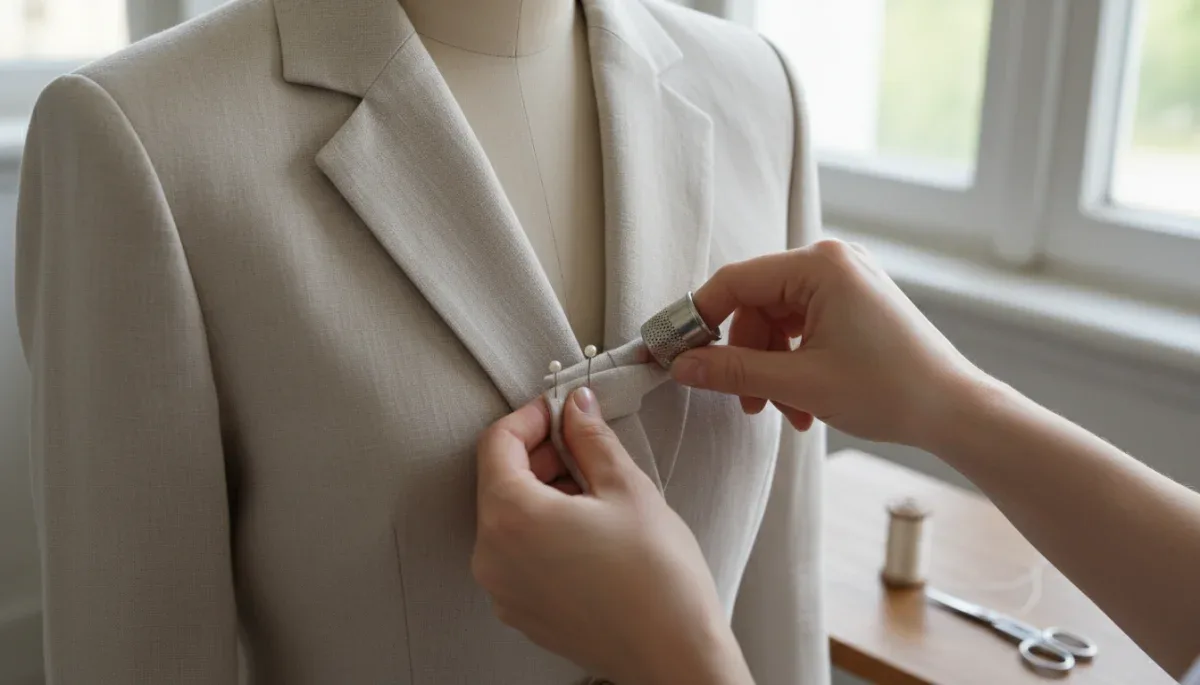
Certain adjustments provide immediate visual refinement while remaining straightforward for an alteration specialist to execute. Hemming trousers and skirts represents the most accessible alteration, eliminating messy fabric puddling around the footwear that immediately signals poor sizing. A clean hemline establishes clean vertical lines, making even the most affordable polyester blend hang in an intentional, structured way.
Adjusting sleeve length on jackets and button-down shirts is another high-return modification. Ready-to-wear shirts often come with generous sleeve allowances to accommodate longer arms, leaving average or shorter limbs overwhelmed by surplus fabric. Bringing the cuff to sit precisely at the wrist bone frames the hands properly and creates an orderly silhouette. Similarly, nipping in the side seams of a shirt or unlined dress introduces waist definition that distinguishes intentional tailoring from off-the-rack sizing.
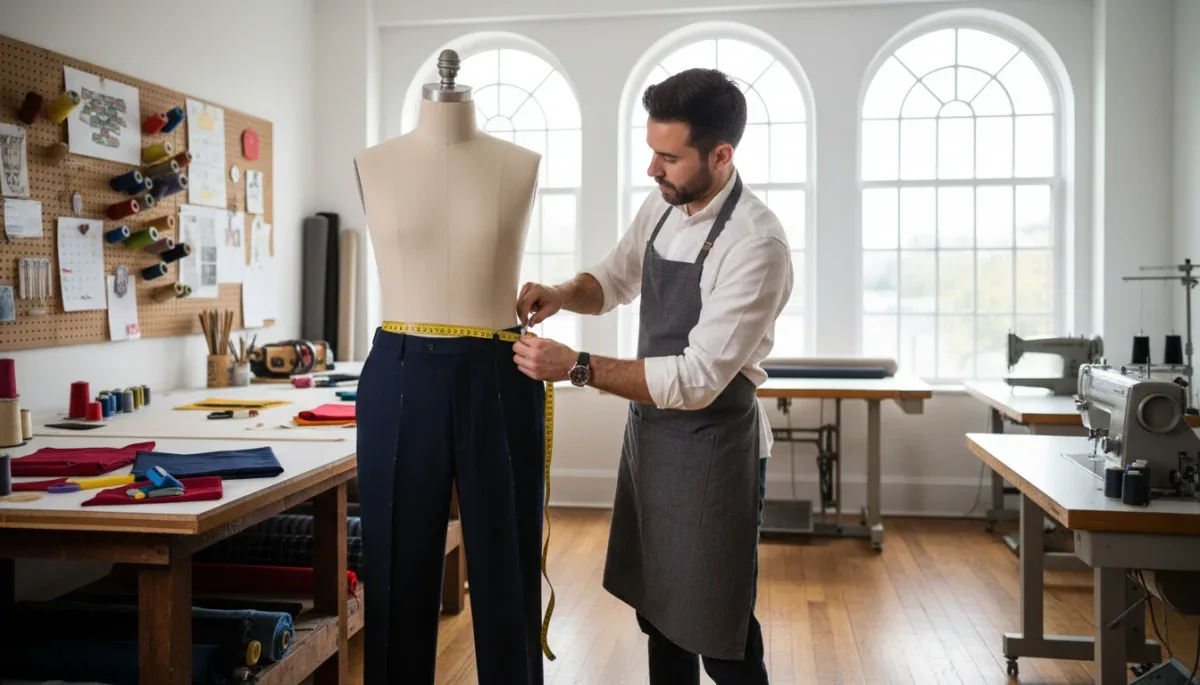
Taking in the waistband of pants or skirts prevents fabric bunching under belts. Off-the-rack garments that fit through the hips often leave an open gap at the lower spine. A tailor can remove excess material through the center back seam or create subtle darts, ensuring the garment rests securely against the waist without wrinkling.
Evaluating garment construction before purchasing for alteration
Not every budget purchase is a practical candidate for alteration. Before buying an inexpensive garment with the intention of having it altered, inspect the interior construction carefully. Turn the item inside out and examine the seam allowances. If the fabric edges are trimmed down to a narrow overlocked edge with less than a quarter-inch of extra material, an alteration specialist will be unable to let the garment out.
The placement of functional hardware also dictates alteration feasibility. Garments with decorative metal zippers, snaps, or bound buttonholes along the seams are difficult and expensive to reshape. For example, shortening a jacket that features functional cuff buttons requires moving the entire sleeve vent, which involves substantial labor. Similarly, synthetic fabrics that melt or retain permanent needle perforations, such as thin faux leathers and low-grade coated nylon, show visible holes once previous seams are removed.
Features that facilitate simple alterations
- Plain cuffs without functional buttons or complex zippers
- Single-needle or simple serged interior side seams
- Unlined or simply lined jackets, dresses, and trousers
- Solid colors or subtle weaves that hide altered stitch lines
Understanding the limits of complex structural changes
While an experienced tailor can modify circumferences and lengths with ease, altering the core architecture of a garment is rarely cost-effective for budget pieces. The shoulders and collar of a jacket or coat anchor the entire structure. If the shoulder seam hangs significantly past your natural shoulder, restructuring the sleeve head requires deconstructing the chest canvas, collar, and armhole lining. The labor cost for this level of reconstruction routinely surpasses standard retail price points.
Armhole depth is another structural element that resist simple alteration. Fast-fashion tops and blazers often use low-cut, generous armholes to accommodate different arm sizes. However, low armholes restrict upward arm mobility and cause the entire garment to lift whenever you raise your hands. Raising an armhole requires extensive recutting of the torso and sleeve panels, an adjustment that most alteration shops decline due to proportional distortions.
Tapering pants with intricate topstitching, complex pocket designs, or heavy wash patterns along the outer leg seams presents similar hurdles. Adjusting only the inner inseam can pull the grainline off center, causing the pant legs to twist around your calves during movement. Focusing on garments that fit comfortably in the shoulders, rise, and chest ensures that subsequent modifications stay within sensible budget parameters.
Cost calculation between purchase price and alteration fees
A disciplined approach to tailoring budget clothing requires evaluating the combined expense of the purchase price and the expected repair bill. A twenty-dollar pair of discount trousers that requires twenty dollars in hemming and waist reduction represents a forty-dollar total investment. If that total produces a garment that fits better than an untailored eighty-dollar alternative, the economic choice remains sound.
Problems arise when shoppers purchase heavily discounted clearance items that require multiple structural corrections. A clearance blazer purchased for fifteen dollars might require sixty dollars to shorten the sleeves, fifty dollars to take in the sides, and forty dollars to re-stitch an uneven hem. At that stage, you have invested substantial capital into low-grade base textiles that may pill, fade, or degrade rapidly through routine laundering.
Budget considerations before visiting a tailor
- Inspect fabric fiber content to ensure durability over multiple seasons
- Confirm whether the alteration cost exceeds the price of higher-grade alternatives
- Ask the tailor for a firm estimate before leaving the garment for work
Communicating effectively with your alteration specialist
Clear communication prevents disappointing alteration outcomes. When visiting an alteration shop, bring the specific shoes and undergarments you plan to wear with the piece. Pant hems sit differently over flat sneakers than they do over structured boots or dress shoes, and different undergarments alter the bustline and waistband placement by measurable margins.
Avoid using vague subjective phrases such as "make it look modern" or "make it flattering." Instead, focus on mechanical fit points. Explain where you feel pulling, demonstrate how you move in the garment, and observe how the fabric behaves when you sit down. The tailor will use pins to mark the prospective changes. While standing naturally in front of the mirror, verify that the pinned lines do not restrict breathing, sitting, or arm movement before approving the alteration.
At a glance
| Alteration type | Feasibility and value |
|---|---|
| Trouser and skirt hemming | Straightforward modification offering immediate visual proportion balance. |
| Waistband reduction | Cost-effective method to eliminate lower-back fabric gaping. |
| Sleeve shortening | High-value adjustment for simple cuffs without functional buttonholes. |
| Shoulder restructuring | High-cost, complex labor rarely justified on budget foundations. |
Frequently asked questions
Can any inexpensive garment be tailored?
No, not all budget garments can be successfully altered. Items made from fragile synthetic textiles, pieces with glued rather than stitched seams, and clothes without sufficient seam allowances cannot accommodate standard alterations. Garments must have sound structural integrity before modifications begin.
How much should I expect to spend on basic alterations?
Basic alterations such as simple trouser hemming or taking in side seams typically range between fifteen and forty dollars at independent alteration shops. Prices fluctuate based on regional labor rates, garment lining, and fabric thickness.
Should I wash budget clothing before taking it to a tailor?
Yes, you should always launder or dry-clean your garments prior to tailoring. Budget fabrics, especially cotton, linen, and viscose blends, often experience shrinkage during their initial wash cycles. Altering unwashed fabric can result in a garment that becomes too small later.
Is it better to buy a size up or a size down if tailoring?
It is always better to buy a size up when planning for alterations. A tailor can easily remove excess fabric to create a closer fit, but adding room requires existing seam allowances that budget garments rarely provide.
The bottom line
Tailoring adjustments bridge the gap between mass-market retail sizing and individual body proportions, turning budget clothing into polished, flattering wardrobe staples. Prioritizing simple modifications like hemming and waist tapering yields the highest return without inflating alteration costs. Before purchasing budget items with the intention of altering them, check the interior seams and ensure the garment fits correctly across your shoulders.
Written by
Lucas Bastos
Lucas Bastos writes about budget fashion tips, celebrity style steals and seasonal fashion trends for news4shein.com. Each article explains how things work, compares published details such as prices, policies and program rules, and points readers to the official source before they decide.