
Advertisement
The “Post-Pandemic Shift: 6 Key Changes in US Fashion Event Formats for 2026” marks a definitive turning point for the industry.
As a result, the transition toward hybrid models, deeper digital integration, and a rigorous focus on sustainability has become the new operational standard.
By prioritizing accessibility and inclusivity, brands are moving beyond traditional, exclusive runway presentations to connect with global, geographically dispersed audiences.
Advertisement
Ultimately, understanding these foundational shifts is essential for designers, buyers, and consumers alike; this analysis details the transformative trends currently redefining the future of American fashion.
The Rise of Hybrid Event Models
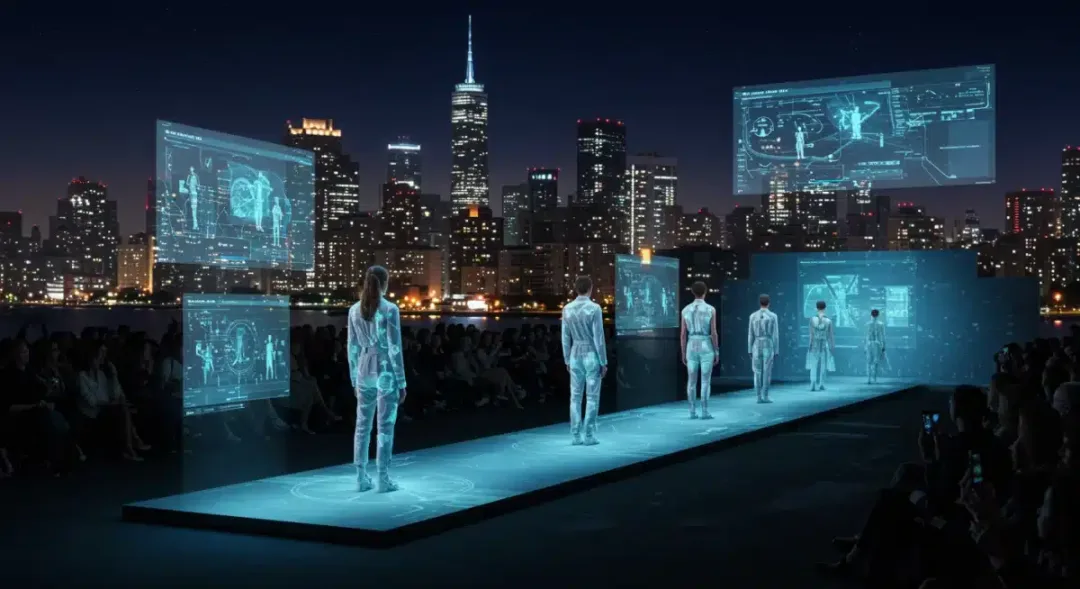
The most prominent change observed is the widespread adoption of hybrid event models, seamlessly blending physical and digital experiences.
This approach allows for the grandeur of traditional runway shows while extending reach far beyond the physical venue, democratizing access to fashion.
Brands are now strategically combining in-person presentations with high-quality live streams and interactive online platforms.
This evolution ensures that geographical limitations no longer hinder participation, allowing a global audience to engage with US fashion event formats.
The hybrid model caters to diverse preferences, offering an immersive experience to those attending physically and an equally compelling, accessible alternative to those joining virtually.
It represents a significant step towards greater inclusivity within the industry.
The success of hybrid events hinges on sophisticated technological integration and creative content delivery.
It’s not just about streaming a show; it’s about crafting a cohesive narrative that resonates across different mediums. This shift profoundly impacts logistics, marketing, and audience engagement strategies for future US fashion event formats.
Redefining Audience Engagement
Hybrid models are fundamentally altering how fashion events engage with their audiences, moving beyond passive viewing to active participation.
Digital platforms now offer features like virtual front rows, real-time polling, and direct interaction with designers, creating a more dynamic experience.
This fosters a stronger sense of community and connection, regardless of physical presence.
The interaction is no longer one-way; it’s a dialogue. Brands are leveraging this to gather immediate feedback and build stronger relationships with their consumer base.
This direct engagement is invaluable for understanding market sentiment and adapting strategies quickly, marking a vital shift in US fashion event formats.
- Live Q&A sessions with designers and stylists.
- Interactive virtual showrooms for immediate browsing.
- Behind-the-scenes content accessible exclusively online.
- Personalized digital experiences for VIP guests.
Technological Innovations Driving Hybrid Formats
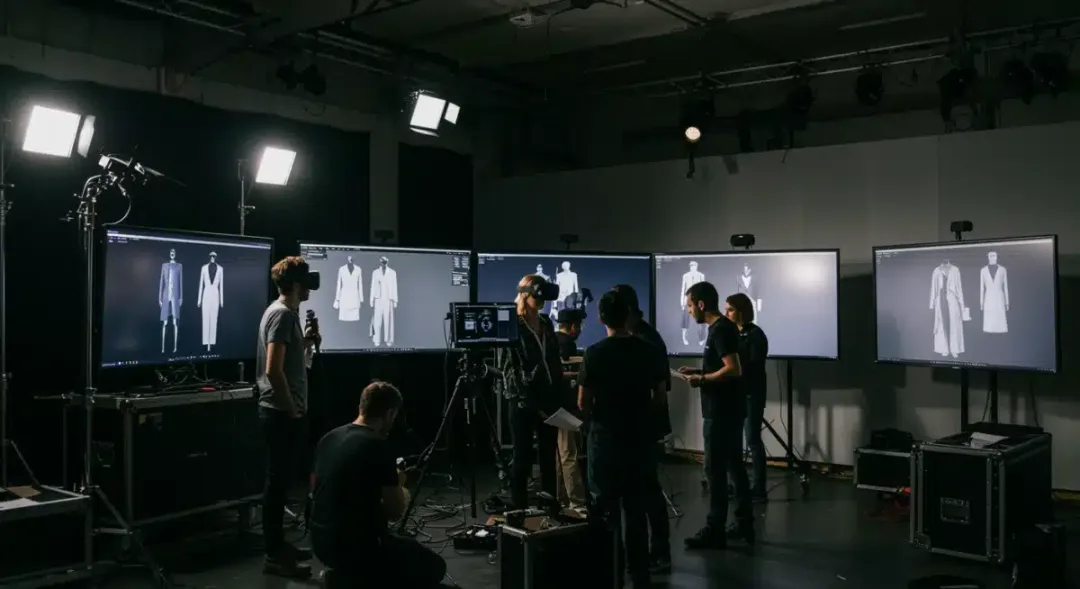
Advanced technologies are the backbone of these evolving hybrid US fashion event formats. Virtual reality (VR), augmented reality (AR), and artificial intelligence (AI) are no longer futuristic concepts but integral components.
These tools enhance visual storytelling, offer immersive product experiences, and streamline event management, pushing creative boundaries.
From virtual try-ons to AI-powered trend analysis, technology is enabling unprecedented levels of personalization and efficiency. This technological leap transforms how collections are showcased and how consumers interact with garments.
The continuous innovation in this space will dictate the future direction of US fashion event formats.
- VR catwalks offering 360-degree views.
- AR filters for virtual try-on experiences.
- AI-driven analytics for audience behavior tracking.
- High-definition streaming for global accessibility.
Increased Focus on Sustainability and Ethics
Sustainability has moved from a niche concern to a central pillar in the planning and execution of US fashion event formats.
Brands are increasingly scrutinized for their environmental footprint and ethical practices, leading to a demand for more responsible event production. This includes everything from material sourcing for sets to waste management and transportation.
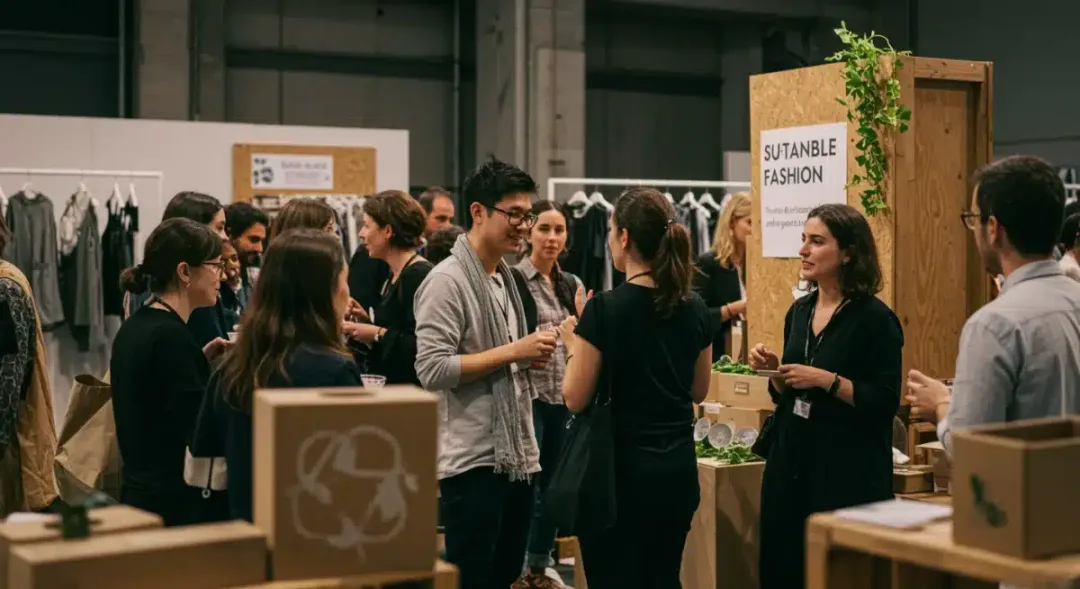
Event organizers are prioritizing eco-friendly venues, recycled materials, and reduced energy consumption.
This commitment extends to showcasing collections made with sustainable practices and promoting circular fashion models.
The industry recognizes its role in fostering a more conscious consumer base, and US fashion event formats reflect this responsibility.
Transparency in supply chains and ethical labor practices are also becoming non-negotiable.
Consumers and industry watchdogs alike are pushing for greater accountability, ensuring that the glamour of fashion does not come at an unacceptable cost to people or the planet.
This fundamental shift is embedded in the fabric of new US fashion event formats.
Eco-Conscious Production and Design
The push for sustainability is evident in every aspect of event production, from conceptualization to execution.
Designers are integrating sustainable materials and production methods into their collections, and event planners are mirroring this commitment in their operations.
This holistic approach ensures that the message of sustainability is consistent and impactful across all US fashion event formats.
Waste reduction is a key priority, with a focus on reusable sets, minimal printing, and digital alternatives for invitations and press kits.
The goal is to minimize the ecological footprint of each event while maintaining high aesthetic standards. This demonstrates a serious commitment to environmental stewardship within US fashion event formats.
Decentralization and Regional Showcases
Historically, New York Fashion Week has been the undisputed epicenter of US fashion event formats. However, the post-pandemic era is witnessing a significant decentralization, with other cities and regions gaining prominence.
This shift allows for a broader representation of American design talent and caters to diverse regional aesthetics and markets.
Cities like Los Angeles, Miami, and even emerging fashion hubs are developing their unique event calendars and showcasing local designers. This fosters a more inclusive and dynamic national fashion scene.
The decentralization enriches the overall narrative of US fashion event formats, moving beyond a single dominant narrative.
This regional focus also provides opportunities for local economies and creative communities to thrive. It enables designers to connect more intimately with their immediate markets and tell stories that resonate with specific cultural contexts.
The diversification of US fashion event formats is a healthy sign of growth and adaptation.
Spotlight on Local Talent and Craftsmanship
The rise of regional showcases brings a renewed focus on local talent, craftsmanship, and unique cultural influences.
This allows for a celebration of diverse American design perspectives that might otherwise be overshadowed by the larger, more established events.
It’s an opportunity for emerging designers to gain visibility and build a strong local following, influencing future US fashion event formats.
These smaller, more community-focused events often foster a stronger sense of intimacy and connection between designers and their audience.
They can be more experimental, reflecting the unique creative spirit of their locale. This decentralization enriches the tapestry of US fashion event formats, making the industry more vibrant and varied.
Emphasis on Immersive and Experiential Presentations
Beyond traditional runway shows, US fashion event formats are increasingly leaning towards immersive and experiential presentations.
Brands are creating environments that engage all senses, offering narratives that go beyond simply showcasing clothes. These experiences aim to create lasting emotional connections with the audience, making the event memorable.
This could involve interactive installations, performance art, or thematic environments that transport attendees into the brand’s world.
The focus is on storytelling and creating a holistic brand experience rather than just a product display. This innovative approach is redefining the expectations for US fashion event formats.
These experiential events often blur the lines between fashion, art, and entertainment, attracting a wider range of attendees and media coverage.
They provide a unique platform for brands to express their identity and values in a compelling way. The evolution towards immersive experiences is a key aspect of US fashion event formats for 2026.
Beyond the Runway: Performance and Art
Fashion presentations are increasingly incorporating elements of performance art, theatrical productions, and artistic installations.
This allows designers to communicate their vision in a more expressive and conceptual manner, moving beyond static displays. These presentations are designed to provoke thought and evoke emotion, influencing US fashion event formats.
By collaborating with artists, musicians, and performers, brands create multi-sensory experiences that elevate the simple act of showing clothes into a cultural event.
This fusion of disciplines enriches the fashion narrative and offers attendees a deeper, more memorable engagement. This creative expansion is shaping the future of US fashion event formats.
Direct-to-Consumer (DTC) Integration
The pandemic accelerated the shift towards direct-to-consumer (DTC) models, and this trend is now deeply integrated into US fashion event formats.
Events are no longer just about previewing collections for buyers and press; they are powerful marketing tools designed to drive immediate consumer engagement and sales. This means a closer link between the show and the shop floor.
Many brands are implementing ‘see now, buy now’ strategies, allowing consumers to purchase items directly from the runway or digital presentation.
This instant gratification aligns with modern consumer expectations and maximizes the impact of the event. The integration of DTC models is a pivotal change in US fashion event formats.
This approach transforms fashion events into direct sales channels, reducing the traditional lag between presentation and availability. It also provides valuable data on consumer preferences and purchasing behavior.
The seamless integration of commerce into the event experience is a defining characteristic of future US fashion event formats.
Instant Gratification and Shoppable Experiences
The modern consumer demands immediacy, and US fashion event formats are adapting to meet this expectation.
Shoppable live streams, QR codes on garments, and direct links from digital presentations to e-commerce sites are becoming standard. This creates a frictionless path from inspiration to purchase, enhancing the overall consumer journey.
This integration blurs the lines between marketing, entertainment, and retail, making the fashion event a comprehensive commercial platform. Brands are leveraging this to capitalize on the excitement generated by new collections.
The emphasis on instant gratification is a core element of evolving US fashion event formats.
Data-Driven Personalization and AI Analytics
The increasing digitalization of US fashion event formats brings with it an unprecedented opportunity for data collection and analysis.
Brands are leveraging AI and advanced analytics to understand audience preferences, personalize experiences, and optimize event strategies. This data-driven approach ensures that events are more relevant and impactful for individual attendees.
From personalized invitations to customized content streams and product recommendations, AI helps tailor the event experience to specific segments of the audience.
This level of personalization enhances engagement and strengthens brand loyalty. The use of data analytics is transforming how US fashion event formats are conceived and executed.
By analyzing engagement metrics, purchasing patterns, and feedback, brands can continuously refine their event strategies, making each successive event more effective.
This continuous learning loop is a significant advantage of modern, digitally integrated US fashion event formats. It allows for agile adaptation to changing market dynamics and consumer tastes.
Tailoring Experiences with AI
AI’s role in personalizing US fashion event formats is expanding rapidly. Algorithms can analyze past interactions and preferences to suggest relevant content, highlight specific collections, or even recommend virtual styling sessions.
This ensures that each attendee receives a curated experience that feels uniquely their own.
For brands, this means more efficient targeting and a deeper understanding of their customer base. AI can identify emerging trends and predict consumer demand, informing both design and event planning.
This smart approach to personalization is a crucial development in US fashion event formats.
| Key Change | Impact on US Fashion Event Formats |
|---|---|
| Hybrid Models | Blends physical and digital for broader reach and accessibility. |
| Sustainability | Prioritizes eco-friendly production and ethical practices. |
| Decentralization | Rise of regional showcases beyond traditional fashion hubs. |
| Experiential Focus | Immersive presentations engaging multiple senses for deeper connection. |
Frequently Asked Questions About US Fashion Event Formats
How are hybrid models changing accessibility to US fashion event formats?▼Hybrid models significantly enhance accessibility by allowing global participation beyond physical attendance. They combine in-person experiences with high-quality digital streams, virtual showrooms, and interactive online features, breaking down geographical and logistical barriers. This makes US fashion event formats more inclusive for a wider audience, from industry professionals to general consumers.
What role does sustainability play in future US fashion event formats?▼Sustainability is now a core principle, influencing every aspect of US fashion event formats. This includes using eco-friendly materials for sets, reducing waste, promoting sustainable fashion collections, and ensuring ethical production practices. Brands are increasingly transparent about their environmental and social impact, driving a more conscious and responsible industry.
Why is there a shift towards decentralization in US fashion event formats?▼Decentralization allows for a broader representation of American design talent beyond traditional fashion capitals like New York. Regional showcases in cities like Los Angeles and Miami foster local creative communities, celebrate diverse aesthetics, and provide unique opportunities for emerging designers to connect with their specific markets, enriching US fashion event formats.
How do experiential presentations enhance US fashion event formats?▼Experiential presentations transform passive viewing into immersive experiences by engaging all senses. They involve interactive installations, performance art, and thematic environments that tell a brand’s story in a compelling way. This fosters deeper emotional connections with the audience, making US fashion event formats more memorable and impactful than traditional shows.
What impact does DTC integration have on US fashion event formats?▼DTC integration turns fashion events into direct sales channels, allowing consumers to purchase items immediately through ‘see now, buy now’ strategies. This aligns with modern consumer demand for instant gratification and maximizes the event’s commercial impact. It also provides valuable data on consumer preferences, streamlining the path from discovery to purchase in US fashion event formats.
Looking Ahead: The Evolving Landscape of US Fashion Event Formats
The Post-Pandemic Shift: 6 Key Changes in US Fashion Event Formats for 2026 signals a vibrant and adaptable future for the industry.
In this context, these transformations are not merely reactive; rather, they represent a proactive embrace of digital innovation, environmental responsibility, and radical inclusivity.
Furthermore, as technology continues to advance and consumer values evolve, US fashion event formats will remain dynamic, constantly seeking new ways to captivate and inspire audiences beyond traditional physical runways.
Ultimately, keeping an eye on these developments is crucial for understanding the trajectory of American fashion and how it aligns with broader shifts in lifestyle and design.
For a deeper analysis on how these changes influence current design philosophies—prioritizing health, comfort, and functionality—you can explore the insights on post-pandemic fashion evolution here.