
Advertisement
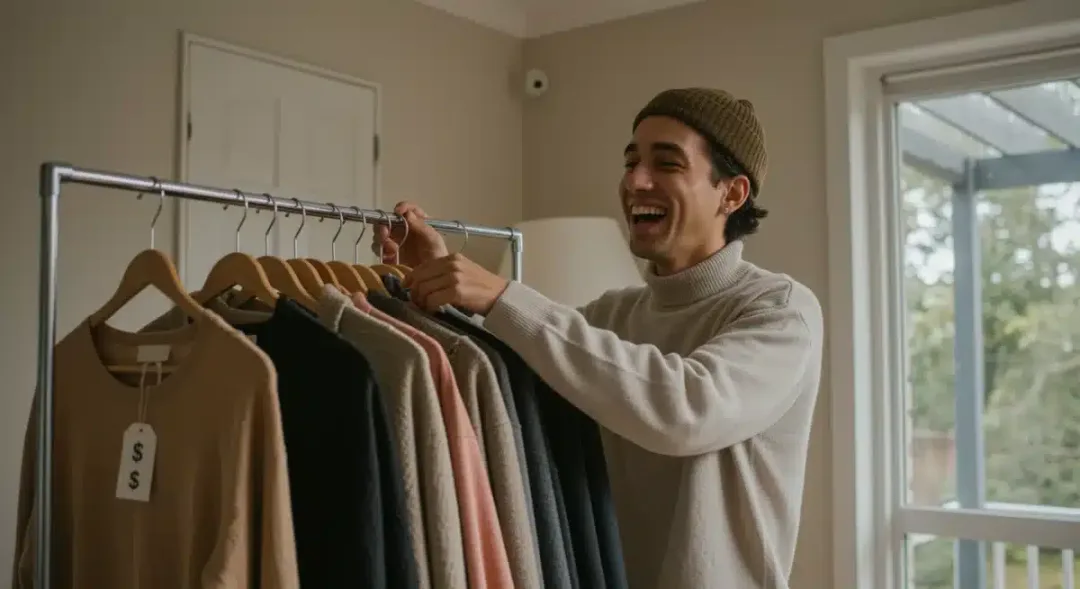
Achieving a significant wardrobe rehab on a $100 budget in 2026 requires strategic planning, smart shopping, and creative DIY approaches to maximize style and minimize spending.
Are you dreaming of a fresh look but feel limited by a tight budget? Fear not! A complete wardrobe rehab budget is entirely achievable in 2026, even with just $100. This article will guide you through practical strategies and creative solutions to transform your style and refresh your closet without breaking the bank, proving that chic doesn’t have to mean pricey.
Understanding Your Current Wardrobe and Needs
Before you even think about spending a single dollar, the first crucial step in any successful wardrobe rehabilitation is to thoroughly understand what you already own and what your actual needs are. This foundational stage helps prevent impulse purchases and ensures every new item serves a purpose within your evolving style. It’s about being mindful and intentional with your fashion choices, which is key when working with a limited budget.
Advertisement
The Great Closet Clean-Out
Begin by pulling everything out of your closet. Yes, everything. This might seem daunting, but it provides a clear, unfiltered view of your entire collection. As you go through each item, apply a critical eye. Ask yourself if you’ve worn it in the last year, if it fits well, if it’s in good condition, and if it still aligns with your personal style. Be honest with yourself; holding onto items out of sentiment or ‘just in case’ can clutter your space and obscure your true needs.
- Keep: Items you love, wear regularly, and that fit perfectly.
- Donate/Sell: Clothes that are in good condition but no longer serve you.
- Repair/Upcycle: Items with minor flaws that can be fixed, or pieces that can be transformed.
- Discard: Anything beyond repair, stained, or completely worn out.
This process not only declutters your physical space but also clarifies your fashion identity. You’ll start to notice patterns in what you keep and what you discard, giving you valuable insights into your preferences. This clear vision is indispensable for making smart, budget-conscious decisions moving forward.

Identifying Gaps and Desired Styles
Once your closet is streamlined, you can accurately identify what pieces are missing. Do you lack versatile basics? Are you in need of a specific item to complete several outfits? Create a concise list of these gaps. Simultaneously, consider the styles you admire and want to incorporate. Look for inspiration in magazines, online, or from people whose style you admire. This research helps you define your desired aesthetic for 2026, ensuring your $100 budget is spent on items that truly enhance your look rather than just adding to the pile.
By taking the time to truly assess your wardrobe and define your vision, you lay a solid groundwork for a successful and affordable transformation. This strategic beginning will maximize the impact of every dollar spent, turning your wardrobe rehab into a thoughtful and rewarding project.
Strategic Shopping: Maximizing Your $100
With a clear understanding of your wardrobe needs, the next step is to strategically spend your $100. This isn’t about buying the most items, but rather the right items that offer versatility, quality, and align with your established style. Smart shopping is the cornerstone of a successful wardrobe rehab budget, requiring patience and a keen eye for value.
Thrifting and Second-Hand Stores
Thrift stores, consignment shops, and online second-hand platforms are your best friends when operating on a tight budget. These venues offer an incredible array of unique pieces at a fraction of their original cost. The key here is to have your list of needed items firmly in mind to avoid getting overwhelmed by the sheer volume of choices. Look for high-quality fabrics, classic silhouettes, and pieces that can be easily integrated into your existing wardrobe.
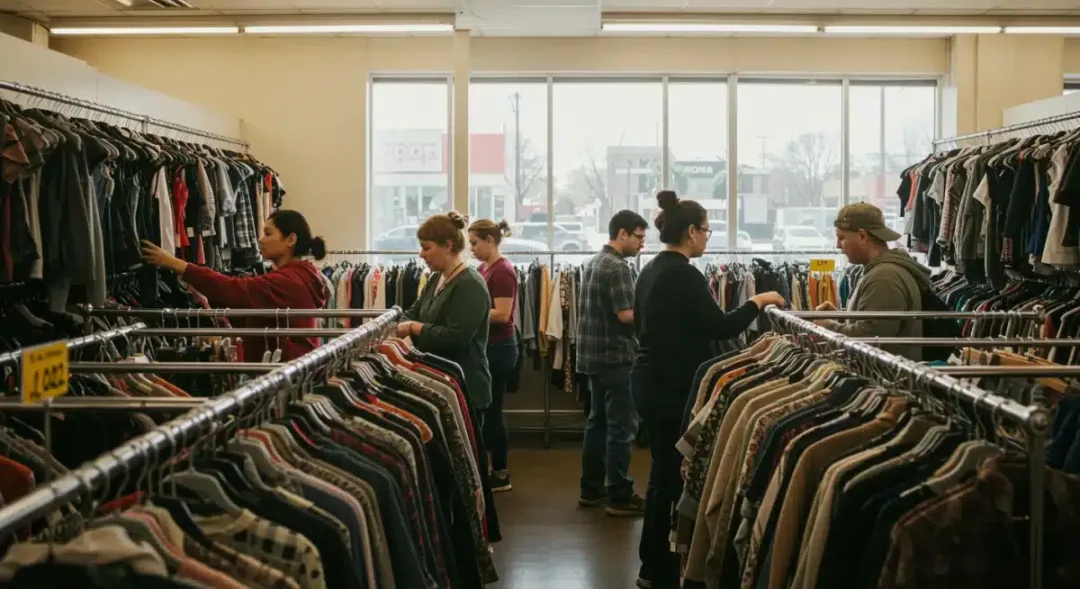
- Focus on Basics: Well-made denim, plain tees, versatile blouses, and classic skirts or trousers are excellent thrift store finds.
- Seek Out Brands: Many thrift stores carry designer or higher-end brands that are still in excellent condition.
- Inspect Carefully: Always check for stains, tears, missing buttons, or broken zippers before purchasing.
The thrill of finding a hidden gem is part of the fun, but remember to stay disciplined. Every purchase should serve a purpose and contribute to your overall wardrobe vision. Don’t be afraid to try on items, even if they’re not exactly what you envisioned; sometimes the best finds are unexpected.
Sales, Discounts, and Outlet Stores
While thrifting is often the most budget-friendly option, don’t overlook sales and clearance racks at traditional retailers or outlet stores. Timing is everything; shopping off-season can yield significant savings on items you’ll need later. Sign up for email newsletters from your favorite affordable brands to be notified of sales events. Look for end-of-season clearances, holiday sales, and flash deals.
When considering a purchase, always evaluate the cost-per-wear. A slightly more expensive item that you’ll wear frequently and for years can be a better investment than a cheap item that falls apart after a few washes. This mindset ensures your $100 goes further and contributes to a more sustainable wardrobe in the long run. By combining thrifting with opportunistic sale shopping, you can build a diverse and stylish wardrobe without exceeding your budget.
DIY and Upcycling: Creative Transformations
One of the most exciting and cost-effective ways to achieve a comprehensive wardrobe rehab budget is through the power of DIY and upcycling. This approach allows you to breathe new life into old garments, customize existing pieces, and create unique items that perfectly reflect your personal style, all without spending a dime on new clothes.
Mending and Alterations
Before discarding an item with a minor flaw, consider if it can be mended or altered. A missing button, a small tear, or a hem that needs adjusting are all simple fixes that can extend the life of your clothing. Learning basic sewing skills, or even just mastering a few hand stitches, opens up a world of possibilities. Online tutorials and local community workshops can provide excellent resources for developing these skills.
- Hemming: Altering the length of pants, skirts, or dresses can give them a completely new feel.
- Replacing Fasteners: Swapping out old buttons or adding new snaps can revitalize a garment.
- Patching: Creative patching can turn a flaw into a stylish design element, especially for denim.
Beyond simple fixes, alterations can transform the fit of a garment, making it more flattering and comfortable. A slightly oversized blazer might become a chic, tailored piece with a few nips and tucks. These small changes can make a huge difference in how you feel about your clothes, making them feel brand new without the cost.
Upcycling and Customization
Upcycling takes mending a step further, transforming old items into something entirely new. This could involve cutting an old pair of jeans into shorts, turning a long dress into a skirt and top set, or adding embellishments to a plain garment. Customization allows you to inject your personality into your wardrobe, making it truly unique. Consider dyeing faded items, adding embroidery, or attaching patches to create a bespoke look.
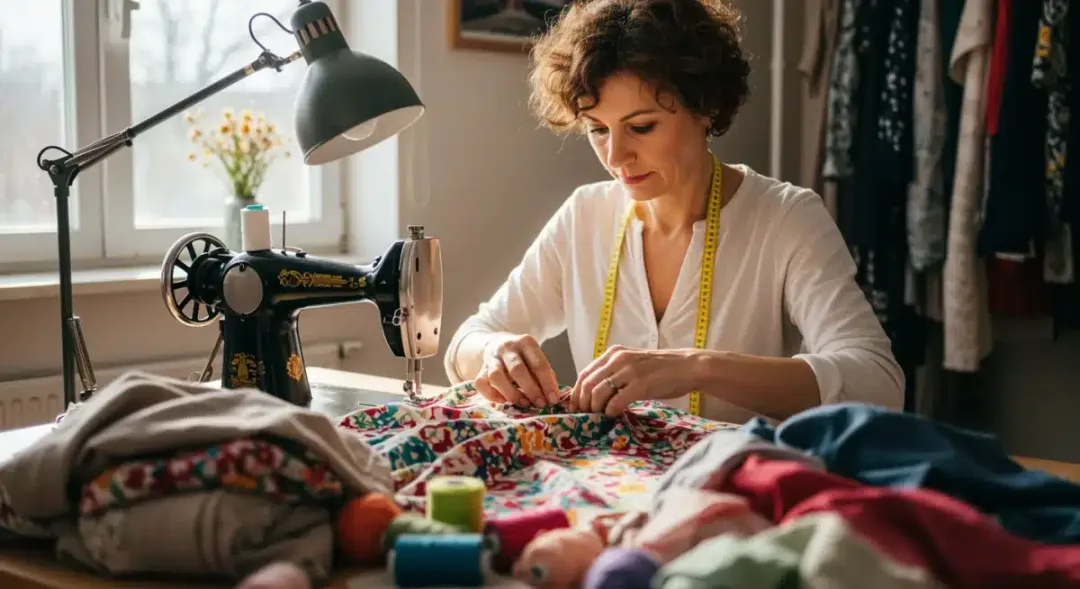
The beauty of DIY and upcycling is that it encourages creativity and resourcefulness. It challenges you to see potential in what others might discard, fostering a more sustainable approach to fashion. By dedicating some time and effort to these projects, you can significantly enhance your wardrobe’s diversity and appeal, all while staying well within your $100 budget.
Accessorizing Smartly: The Power of Details
Accessories are often underestimated in their ability to completely transform an outfit and elevate personal style. When executing a wardrobe rehab budget, smart accessorizing becomes a powerful tool. A few well-chosen accessories can make a limited clothing collection feel fresh and versatile, allowing you to create numerous distinct looks from the same core pieces.
Affordable Accessory Finds
Just like with clothing, second-hand stores, vintage markets, and even discount retailers are excellent places to find affordable accessories. Look for timeless pieces that can complement multiple outfits. Scarves, belts, jewelry, and even handbags can be game-changers.
- Scarves: A versatile accessory that can be worn in countless ways – around the neck, in your hair, tied to a bag, or even as a makeshift top.
- Belts: Can cinch a waist, define a silhouette, or add a pop of color or texture to an otherwise simple dress or tunic.
- Jewelry: Statement necklaces, earrings, or bracelets can instantly elevate a basic outfit from casual to chic.
When shopping for accessories, prioritize quality over quantity. A single well-made piece that you love and can wear frequently is a better investment than several flimsy items that quickly lose their appeal. Think about how each accessory can add personality and polish to your existing clothing, making your $100 stretch further.
Utilizing What You Already Have
Before rushing to buy new accessories, take stock of what you already own. Often, forgotten pieces tucked away in drawers or jewelry boxes can be rediscovered and reintegrated into your current style. Experiment with different combinations and ways to wear your existing accessories. Sometimes, simply cleaning tarnished jewelry or giving an old handbag a good polish can make it feel new again.
Consider the impact of layering different necklaces, stacking bracelets, or mixing metals. These small styling tricks can create a more sophisticated and curated look without any additional cost. Accessories are the exclamation points of an outfit; they allow you to express your individuality and creativity, making your budget-friendly wardrobe feel anything but limited.
Embracing Sustainable and Mindful Fashion
A successful wardrobe rehab budget in 2026 isn’t just about saving money; it’s also about making conscious choices that benefit both your wallet and the planet. Embracing sustainable and mindful fashion practices aligns perfectly with a limited budget, promoting longevity, reducing waste, and encouraging a more thoughtful approach to consumption.
The ‘Buy Less, Choose Well’ Philosophy
This mantra is at the heart of sustainable fashion and is particularly relevant when working with a $100 budget. Instead of chasing fleeting trends, focus on investing in classic, high-quality pieces that will stand the test of time. These items might be found second-hand or on sale, but their enduring style and durability make them invaluable additions to your wardrobe. Prioritize natural fibers like cotton, linen, and wool when possible, as they often last longer and are more comfortable.
Mindful consumption also means resisting impulse purchases. Before buying something new, ask yourself if you truly need it, if it will integrate well with your existing wardrobe, and if you can see yourself wearing it for years to come. This deliberate approach ensures that every item you bring into your closet is a considered choice, maximizing its value and reducing textile waste.
Care and Maintenance for Longevity
Extending the life of your clothes is one of the most impactful sustainable practices, and it costs very little. Proper care and maintenance can significantly prolong the wearability of your garments, reducing the need for frequent replacements. Read care labels carefully and follow washing instructions. Learn basic laundry tips, such as washing in cold water, air-drying delicate items, and promptly addressing stains.
- Wash Less: Many garments don’t need washing after every wear; airing them out can often suffice.
- Proper Storage: Store clothes correctly to prevent stretching, fading, or damage.
- Spot Treat Stains: Address stains immediately to prevent them from setting in.
By taking good care of your clothes, you not only preserve their appearance but also save money on replacements. This mindful approach to fashion transforms your wardrobe rehab into a truly sustainable endeavor, proving that style and responsibility can go hand-in-hand, even on a tight budget.
Building a Versatile Capsule Wardrobe
The concept of a capsule wardrobe is incredibly powerful when undertaking a wardrobe rehab budget. It focuses on creating a collection of essential, versatile pieces that can be mixed and matched to create numerous outfits. This approach simplifies dressing, reduces decision fatigue, and ensures every item in your closet serves multiple purposes, making your $100 go further than you ever imagined.
Core Pieces and Neutral Colors
Start by identifying core pieces that form the foundation of your wardrobe. These are often classic, timeless items in neutral colors like black, white, gray, navy, and beige. Examples include well-fitting jeans, a plain white or black t-shirt, a versatile button-down shirt, a simple skirt, and a classic blazer or cardigan. These items can be dressed up or down and serve as the canvas for your more expressive pieces.
Building a capsule around neutrals allows for maximum interchangeability. Every top can be worn with every bottom, and every layering piece can complement a variety of outfits. This creates a cohesive collection where everything works together, eliminating the ‘nothing to wear’ dilemma despite having fewer items.
Mixing and Matching for Endless Possibilities
Once you have your core capsule pieces, the magic happens in mixing and matching. Experiment with different combinations to discover new outfits you hadn’t considered before. A simple t-shirt can be paired with jeans for a casual look, tucked into a skirt for a more polished feel, or layered under a blazer for a professional touch. The goal is to maximize the utility of each garment.
- Layering: Use cardigans, jackets, and vests to add warmth, texture, and visual interest.
- Color Pops: Introduce color through accessories like scarves, jewelry, or shoes to keep outfits vibrant.
- Varying Textures: Combine different fabric textures (e.g., silk with denim, knitwear with leather) to create depth.
A capsule wardrobe encourages creativity and mindful dressing. It challenges you to look at your clothes with fresh eyes and discover the full potential of each item. This strategy not only saves money by reducing the need for constant new purchases but also fosters a deeper appreciation for the clothes you own, making your wardrobe rehab a truly transformative experience.
Styling Tips and Personal Expression
A successful wardrobe rehab budget isn’t just about the clothes you acquire; it’s equally about how you style them and express your unique personality. Even with a limited budget, you can project an image that feels authentic and polished. It’s about leveraging what you have and understanding how small details can make a big impact on your overall presentation.
Mastering the Art of Outfit Repurposing
One of the most valuable skills for any budget-conscious fashionista is the ability to repurpose outfits. This means taking an item or a combination of items and styling them in completely different ways for various occasions. For instance, a simple black dress can be transformed from a casual daytime look with sneakers and a denim jacket to an evening ensemble with heels, statement jewelry, and a clutch. The key is to think creatively about how each piece can serve multiple functions.
Consider the context: what accessories, shoes, or layering pieces would change the vibe? A button-down shirt worn open over a tank top gives a relaxed feel, while the same shirt buttoned up with tailored trousers looks professional. By consciously planning how to repurpose your existing items, you unlock a seemingly endless array of outfits without needing to buy anything new, making your $100 budget incredibly powerful.
Developing Your Signature Style
Your wardrobe rehab is also an opportunity to define or refine your signature style. This is the unique way you combine clothes, colors, and accessories that makes an outfit unmistakably ‘you.’ It’s not about following trends but about understanding what you feel good in and what reflects your true self. Look for common threads in the outfits you love, the colors that flatter you, and the cuts that make you feel confident.
- Inspiration Boards: Create a digital or physical mood board with images of outfits, colors, and textures that resonate with you.
- Comfort is Key: Your signature style should always prioritize comfort and practicality, ensuring you feel good in your clothes.
- Personal Touches: Incorporate unique accessories, a specific hair style, or even a signature scent to complete your look.
Developing a signature style allows you to make more informed purchasing decisions, even on a budget. You’ll gravitate towards items that genuinely fit your aesthetic, reducing wasted money on pieces that don’t quite work. This thoughtful approach ensures that every item in your revitalized wardrobe contributes to a cohesive and authentic personal brand, making your budget-friendly transformation incredibly impactful and satisfying.
| Key Strategy | Brief Description |
|---|---|
| Wardrobe Audit | Clean out, identify gaps, and define your desired style before spending. |
| Smart Shopping | Utilize thrift stores, sales, and focus on versatile, quality pieces. |
| DIY & Upcycling | Mend, alter, and customize existing clothes to create new looks. |
| Accessorize Wisely | Use affordable accessories to transform outfits and express personal style. |
Frequently Asked Questions About Wardrobe Rehab on a Budget
Is it really possible to revamp a wardrobe with only $100?▼Absolutely. A $100 budget for wardrobe rehab is achievable by focusing on strategic thrifting, DIY alterations, and maximizing existing pieces. Prioritizing versatility and quality over quantity is key to making your budget stretch effectively and creating a fresh look.
What are the best places to find affordable clothing for a budget rehab?▼The best places include local thrift stores, consignment shops, online second-hand platforms like Poshmark or ThredUp, and clearance sections at discount retailers. These sources offer a wide variety of items at significantly reduced prices, perfect for a $100 budget.
How can I make my existing clothes feel new without buying anything?▼You can make existing clothes feel new through DIY methods like mending, altering fits, or upcycling. Experiment with new styling techniques, such as layering, mixing and matching, or using different accessories you already own. Proper care also extends their perceived newness.
What is a capsule wardrobe and how does it help with a budget?▼A capsule wardrobe is a collection of versatile, essential items that can be mixed and matched to create many outfits. It helps a budget by reducing the need for numerous purchases, as every item serves multiple purposes, leading to more intentional and less frequent spending.
Should I prioritize trends or timeless pieces when on a $100 budget?▼When on a $100 budget for wardrobe rehab, prioritize timeless, classic pieces. These items offer greater longevity and versatility, forming a strong foundation for your wardrobe that can be updated with affordable accessories rather than constantly chasing fleeting trends.
Conclusion
Undertaking a wardrobe rehab budget of just $100 in 2026 is not only possible but can lead to a more thoughtful, sustainable, and uniquely styled closet. By starting with a thorough audit of your current clothes, strategically shopping in second-hand markets, embracing DIY transformations, and smart accessorizing, you can create a fresh, versatile wardrobe that truly reflects your personal style. This journey proves that fashion doesn’t require a hefty price tag; instead, it thrives on creativity, mindfulness, and a commitment to making the most of every dollar and every garment you own.