
Wool blends vs puffer coats for winter warmth
Advertisement
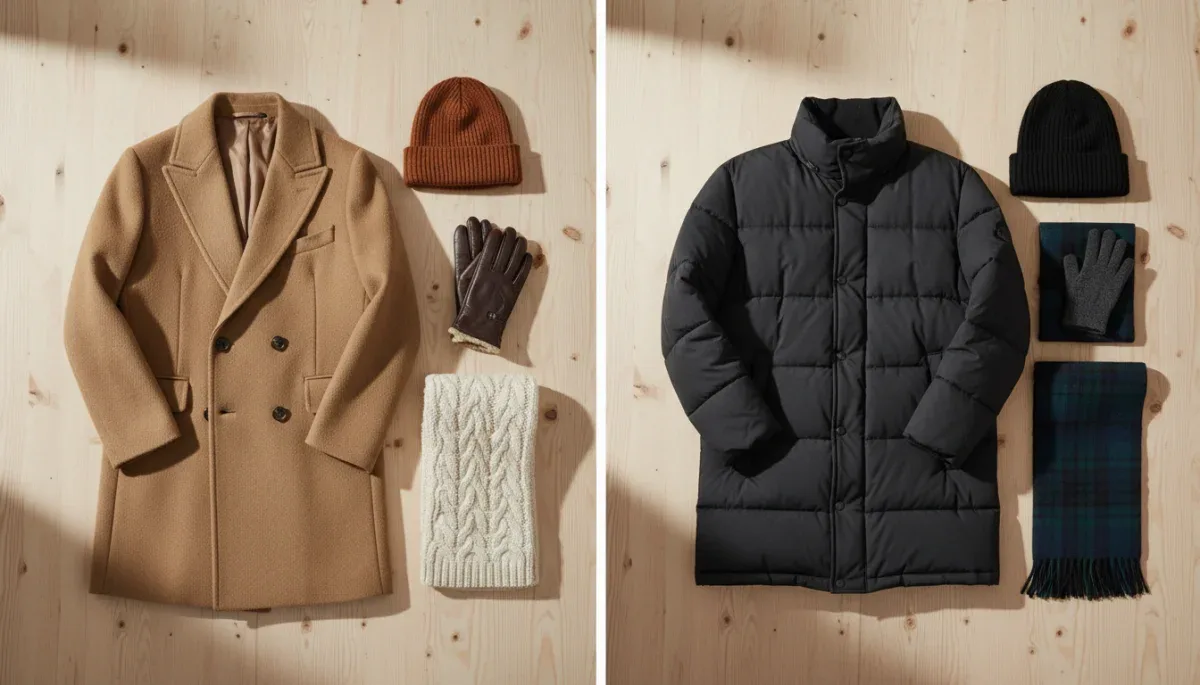
Puffer coats provide superior overall thermal insulation in extreme cold and freezing winds, while wool blends offer structured style, natural breathability, and reliable warmth in dry, moderate winter conditions.
This comparison helps budget-conscious shoppers and daily commuters decide which outerwear style suits their local climate, though neither option performs perfectly across every single weather scenario.
How wool blend fabrics generate and retain heat
Wool blends combine natural animal fleece with synthetic fibers such as polyester, nylon, or acrylic. The natural wool fiber contains microscopic crimps that trap pockets of still air, creating an insulating barrier against cold ambient temperatures. When blended with durable synthetic fibers, the fabric gains tensile strength, resists abrasions, and becomes more affordable to produce than pure virgin wool.
Advertisement
The primary advantage of wool blend fabric is its density and thermal mass. A heavy wool overcoat drapes closely around the body, slowing down the rate at which body heat escapes into the surrounding environment. Wool is also naturally hygroscopic, meaning it can absorb small amounts of water vapor from the body without immediately feeling damp or losing its insulating structure.
Common wool blend ratios in outerwear
- High-wool blends: Coats with fifty to seventy percent wool provide substantial density, rich surface texture, and strong heat retention for standard winter days.
- Synthetic-majority blends: Garments with thirty to forty percent wool blended with polyester offer a lighter weight, lower retail price points, and higher resistance to fabric wear.
- Recycled wool mixes: Fabrics made from reclaimed wool fibers blended with synthetic binders deliver solid insulation while reducing raw material waste.
The mechanics of puffer coats and synthetic insulation
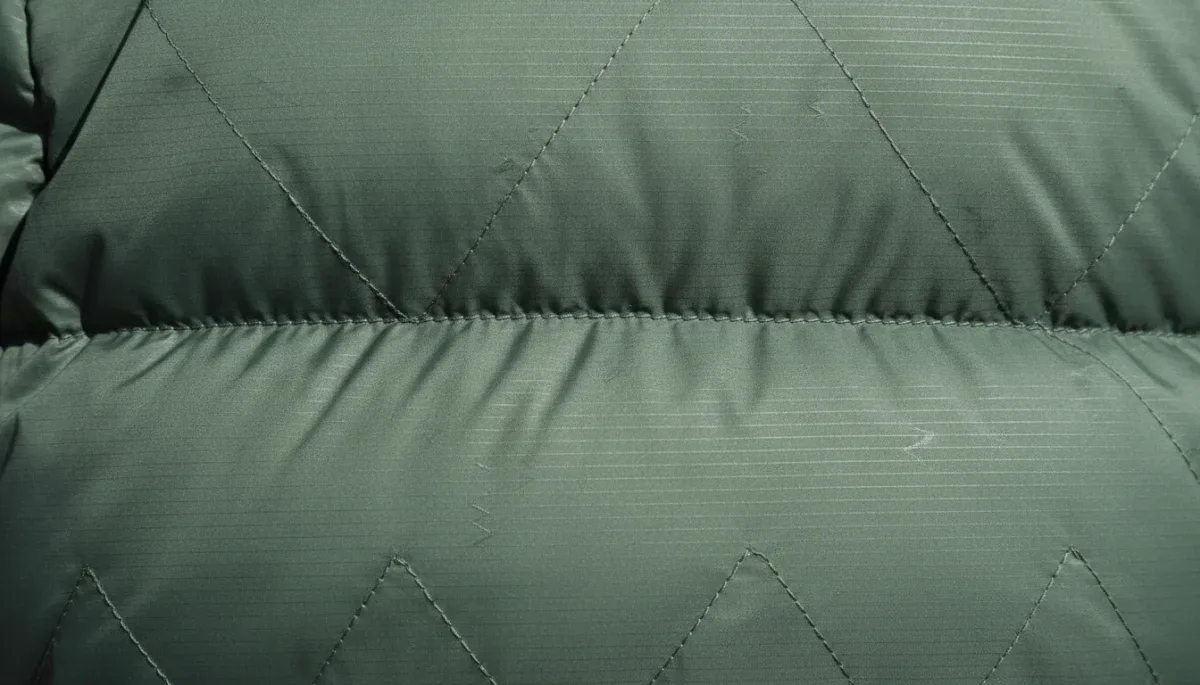
Puffer coats rely on loft rather than fabric weight to keep you warm. The exterior shell, usually constructed from tightly woven nylon or polyester ripstop, encloses quilted compartments known as baffles. These baffles are packed with either natural down plumage or spun synthetic polyester fibers that create expansive three-dimensional air pockets.
Because still air is one of nature's best thermal insulators, the high volume of air trapped inside the baffles prevents conductive heat loss far more efficiently than dense woven cloth. This construction allows a lightweight puffer coat to deliver higher thermal efficiency per ounce than a traditional heavy textile coat, making it especially effective for active use or prolonged exposure to sub-freezing temperatures.
Key insulation factors in puffer jackets
- Loft and fill power: Higher fill volume creates larger dead-air spaces, trapping more body heat without adding excess physical bulk or weight.
- Synthetic micro-clusters: Engineered polyester fills mimic the structure of natural plumage and maintain their loft even if moisture enters the inner chambers.
- Windproof barrier shells: Tightly woven synthetic outer layers stop cold gusts from penetrating through the insulation layer to your body.
Performance in rain, snow, and wind chill
Weather resistance is where wool blends and puffer jackets diverge significantly. Standard wool blend coats are naturally porous. While a dense weave can block a gentle breeze, strong winter winds will eventually push cold air through the fabric unless the garment includes a dedicated windproof interlining. In sustained rainfall or heavy wet snow, wool blends gradually absorb water, becoming heavy and taking hours to dry thoroughly.
In contrast, most puffer coats are engineered specifically to handle winter precipitation and harsh wind chills. The synthetic outer fabrics are frequently treated with a durable water-repellent finish that causes light rain and snow to bead up and roll off the surface. Furthermore, the synthetic shell acts as a solid windbreak, preventing wind chill from stripping away the warm air layer maintained inside the coat.
Daily styling, versatility, and professional settings
While puffer coats dominate in raw thermal efficiency, wool blends hold a distinct advantage in tailoring, formal versatility, and workplace environments. A structured wool blend overcoat features clean architectural lines, a flat front profile, and a tailored collar that sits neatly over business suits, blazers, and professional knitwear. It maintains a streamlined silhouette that does not add excessive volume to an outfit.
Puffer jackets inherently create a sporty, utilitarian aesthetic. Although modern cropped and belted puffer designs have become high-fashion staples, high-volume baffles can appear overly casual in formal or corporate settings. For individuals whose daily winter routine involves moving between heated subway cars, office buildings, and indoor meetings, the balanced breathability of a wool blend often prevents the overheating associated with high-insulation puffers.
Styling considerations for your daily routine
- Professional environments: Wool blend coats provide an elevated finish that complements tailored trousers, formal footwear, and work bags.
- Casual and athletic routines: Puffer jackets pair seamlessly with denim, athletic fleece, and heavy winter boots for weekend outings and errands.
- Commuting transitions: Wool blends allow better temperature regulation when moving frequently between freezing outdoor air and warm indoor public spaces.
Long-term durability, maintenance, and care requirements
Maintaining winter outerwear properly ensures it retains its thermal properties across multiple seasons. Wool blend coats are structurally robust and resistant to minor tears or snags from bag straps. However, friction in high-contact areas like the underarms and inner sleeves can cause surface pilling over time, which requires periodic maintenance with a fabric comb or electric defuzzer. Most wool blend coats require professional dry cleaning or careful spot treatment.
Puffer coats require different care considerations. The lightweight outer shell is vulnerable to sharp objects, pet claws, and rough surfaces, which can puncture the fabric and allow insulation to leak out. Washing a puffer requires gentle machine cycles and low-heat tumble drying with clean wool dryer balls to break up clumping and restore full loft to the interior fill.
At a glance
| Factor | What to know |
|---|---|
| Thermal insulation | Puffers trap more warm air per ounce than dense wool blends. |
| Wind and wet weather | Synthetic puffer shells resist freezing wind and sleet better than porous wool. |
| Formal versatility | Tailored wool blends fit professional environments where puffers appear too casual. |
| Care and longevity | Wool blends resist snags but require dry cleaning, while puffers need delicate washing to keep loft. |
Frequently asked questions
Is a wool blend coat warm enough for freezing temperatures?
A wool blend coat is generally warm enough for temperatures down to around freezing when paired with insulating inner layers like thermal knitwear. In sub-zero conditions or strong winds, a wool coat may let drafts penetrate unless it features a thick insulated lining and a heavy fabric weight.
Why do puffer coats feel warmer than heavy wool coats?
Puffer coats feel warmer because their quilted baffles hold high volumes of trapped air, which acts as a barrier against heat loss. Wool is dense and heavy, but puffers achieve higher thermal resistance at a fraction of the physical weight by maximizing dead air space.
Can you wear a wool blend coat in the rain?
You can wear a wool blend in light drizzle, but not in sustained rain. While natural wool fibers naturally repel light surface moisture, prolonged soaking saturates the synthetic blend, makes the coat heavy, and takes a significant amount of time to dry properly.
How do synthetic puffers compare to real down puffers?
Synthetic puffers use polyester filaments that retain insulating ability even when damp, making them practical for wet snow and rainy winters. Real down provides slightly higher warmth per ounce and compresses smaller, but it loses insulating loft completely if moisture penetrates the outer shell.
The bottom line
Choose a puffer coat if your primary goal is maximizing warmth during freezing commutes, windy walks, or wet winter weather. Opt for a tailored wool blend coat if you prioritize clean visual lines, office-appropriate styling, and breathable comfort for moderate cold. Before buying either style, check the inner tag for fabric percentages, lining quality, and specific care instructions to ensure the garment matches your daily routine.
Written by
Mariana Viana
Mariana Viana writes about seasonal fashion trends and celebrity style steals for news4shein.com. Each article explains how things work, compares published details such as prices, policies and program rules, and points readers to the official source before they decide.