Budget-Friendly Fabrics: Look Expensive for Less
Advertisements
Mastering the selection of budget-friendly fabrics that appear luxurious is key to achieving an expensive aesthetic without overspending, allowing consumers to save significantly on their wardrobe while maintaining high style.
Are you eager to elevate your style without draining your bank account? Unlocking the secret to choosing budget-friendly fabrics that look expensive is a game-changer for anyone aspiring to a chic wardrobe on a shoestring budget. This approach can genuinely save you up to 40% on your clothing expenses, proving that high fashion doesn’t always come with a hefty price tag. Let’s delve into how you can make smart fabric choices that deliver maximum impact.
Advertisements
Understanding fabric quality beyond price
Many assume that a high price automatically equates to high quality, especially when it comes to textiles. However, this isn’t always the case. Understanding fabric quality goes far beyond the price tag, delving into the weave, fiber content, and finishing processes. A fabric’s perceived value often stems from its drape, texture, and how it holds its shape, rather than simply its cost.
It’s crucial to distinguish between genuinely well-made fabrics and those that are merely marketed as premium. Sometimes, a brand’s reputation or intricate embellishments can inflate a garment’s price, while the underlying fabric might be quite ordinary. Conversely, many affordable fabrics, when selected carefully, possess characteristics that mimic their more expensive counterparts, offering excellent value.
The illusion of luxury: what makes a fabric look expensive?
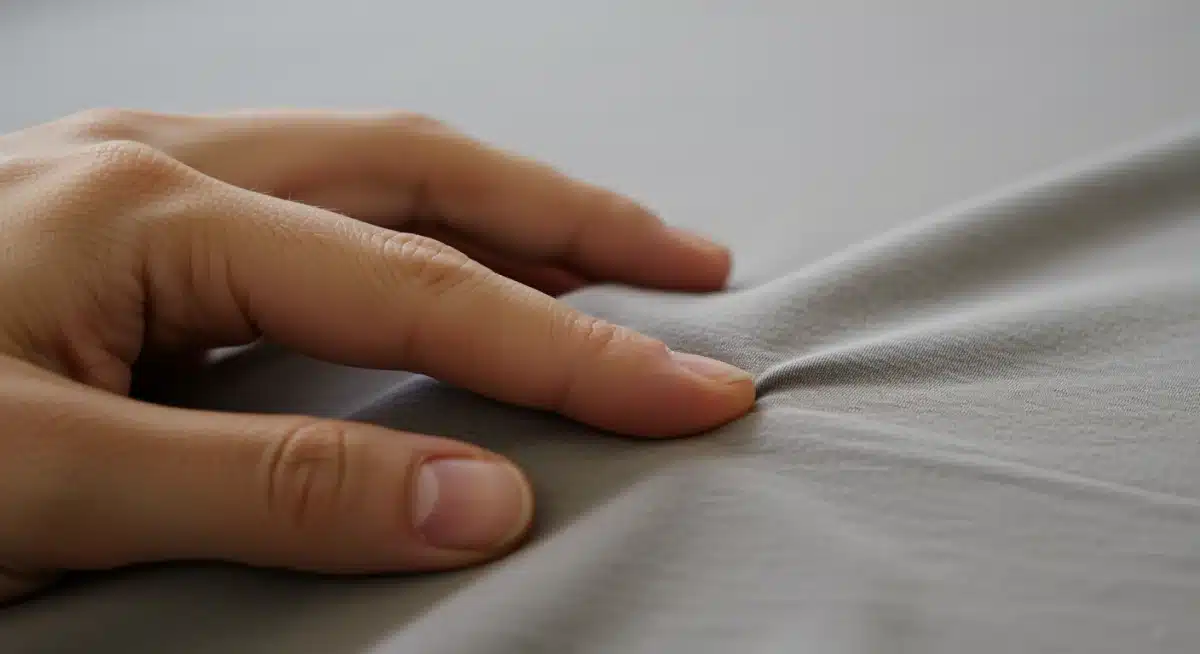
The illusion of luxury in fabrics is often created by several key elements. A smooth, even weave, a subtle sheen, and a substantial hand (how it feels when touched) are all indicators. Fabrics that drape well, meaning they fall fluidly and don’t wrinkle easily, also contribute to an expensive appearance. The way a fabric takes dye, resulting in rich, deep colors, is another significant factor.
- Drape: Fabrics that flow and move gracefully, such as rayon or modal, often look more luxurious.
- Texture: Smooth, soft textures like brushed cotton or Tencel can mimic silk or cashmere.
- Color Saturation: Deep, vibrant, or muted, sophisticated colors tend to appear more expensive than faded or dull tones.
- Weave Consistency: Tightly woven fabrics with a uniform surface generally signify better quality.
Ultimately, a fabric’s ability to maintain its appearance over time, resisting pilling and stretching, is a testament to its true quality, regardless of its initial cost. By focusing on these attributes, you can train your eye to spot affordable fabrics that punch above their weight, ensuring your wardrobe looks consistently polished and refined.
Top budget-friendly fabrics that mimic luxury
When aiming for an expensive look without the high price, certain fabrics stand out for their ability to emulate luxury. These materials offer the aesthetic appeal, drape, and feel of premium textiles but at a fraction of the cost. Knowing which fabrics to seek out can transform your shopping strategy and significantly enhance your wardrobe’s perceived value.
Choosing the right fabric involves more than just identifying its name; it’s about understanding its characteristics and how it behaves. For instance, while polyester sometimes gets a bad rap, high-quality polyester blends can offer incredible durability, wrinkle resistance, and a beautiful drape that rivals silk or wool, especially when treated with modern finishing techniques.
Polyester: The versatile chameleon
Modern polyester is a far cry from its predecessors. Technological advancements have allowed manufacturers to create polyester fibers that are soft, breathable, and capable of mimicking various natural fibers. Look for polyester blends with a smooth finish and a good weight; these often have a luxurious feel and excellent drape. Its inherent wrinkle resistance also means your garments will look crisp and well-maintained throughout the day.
- Silk-like Polyester: Often used for blouses and scarves, these polyesters have a delicate sheen and fluid drape.
- Wool-like Polyester: Heavier weaves can create structured jackets and trousers that look like fine wool.
- Moisture-Wicking Polyester: Ideal for activewear, offering performance benefits without a high cost.
Viscose and rayon: The silk alternatives
Viscose, also known as rayon, is a semi-synthetic fiber made from regenerated cellulose. It’s lauded for its beautiful drape and soft feel, often compared to silk. Viscose takes dye exceptionally well, resulting in vibrant, rich colors. It’s an excellent choice for dresses, blouses, and skirts where a luxurious flow is desired. While it can wrinkle, its elegant appearance makes it a strong contender for high-end looks.
Modal, a type of rayon, offers even greater softness and resistance to shrinkage or fading. It’s often blended with cotton or spandex to enhance its properties. Both viscose and modal provide a fantastic opportunity to achieve that coveted silky look without the significant investment, making them staples in any budget-conscious, style-savvy wardrobe.
The magic of blends and weaves
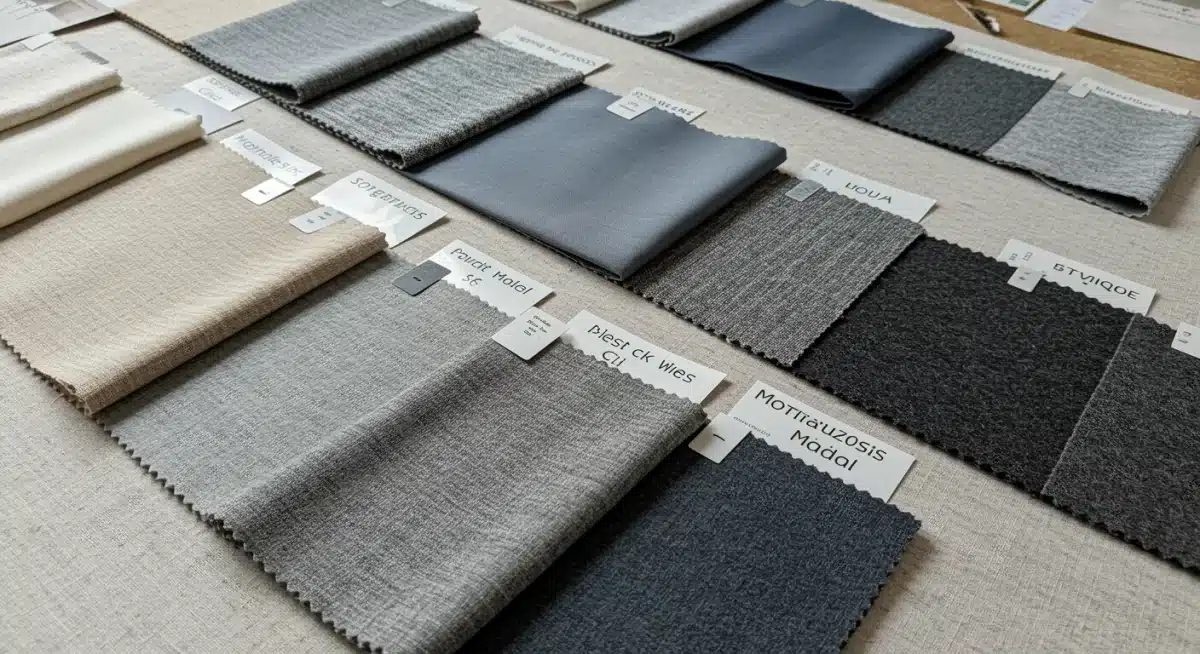
The true artistry in creating affordable fabrics that look expensive often lies in the clever use of blends and specialized weaves. Manufacturers combine different fibers to harness the best qualities of each, resulting in textiles that offer superior performance, aesthetics, and durability at a lower cost. Understanding these combinations can empower you to make more informed purchasing decisions.
Blends are not merely about cutting costs; they are about enhancing fabric properties. For example, a cotton-modal blend might offer the breathability of cotton with the enhanced softness and drape of modal. Similarly, a polyester-spandex blend provides stretch and shape retention, crucial for comfortable yet structured garments. These synergistic combinations create fabrics that are often more versatile and long-lasting than their pure fiber counterparts.
Cotton blends: elevating everyday staples
While 100% cotton is a classic, cotton blends can offer enhanced features that elevate its appearance and utility. Cotton-polyester blends, for instance, are more wrinkle-resistant and durable, making them ideal for workwear or travel. Cotton-modal blends provide an incredibly soft hand and beautiful drape, perfect for luxurious-feeling t-shirts and loungewear. Always check the blend percentage; a higher percentage of the desired luxury-mimicking fiber usually yields better results.
- Cotton-Modal: For supreme softness and a fluid drape.
- Cotton-Spandex: Adds stretch and comfort to fitted garments.
- Cotton-Linen: Combines breathability with a slightly more structured look.
Twill and sateen weaves: adding sophistication
Beyond fiber content, the weave of a fabric significantly impacts its appearance and feel. Twill and sateen weaves are particularly effective at making fabrics look more expensive. Twill, characterized by its diagonal rib pattern, creates a durable fabric with a subtle texture and excellent drape, often seen in high-quality trousers and jackets. Sateen, a variation of the satin weave, gives cotton a smooth, lustrous surface that mimics silk, making it perfect for elegant blouses and bedding.
These weaves add visual interest and a tactile richness that elevates even the simplest garments. When shopping, pay attention to the weave structure. A tightly woven fabric with a distinct pattern often signifies better quality and a more refined aesthetic, regardless of the fiber composition. This attention to detail can drastically improve the perceived value of your clothing.
The importance of garment construction and finish
Even the most luxurious fabric can look cheap if the garment’s construction is poor. Conversely, excellent craftsmanship can make even a budget-friendly fabric appear high-end. The way a garment is cut, sewn, and finished plays a pivotal role in its overall aesthetic and how expensive it looks. Paying attention to these details is as important as selecting the right fabric.
A well-constructed garment will have clean seams, even stitching, and no loose threads. The lining, if present, should be smoothly integrated and not pull or bunch. Details like buttons, zippers, and hardware also contribute significantly to the perceived quality. Opt for garments with substantial, well-attached buttons and smooth-gliding zippers, as these small elements can make a big difference.
Seams and stitching: indicators of quality
Inspect the seams of a garment carefully. Are they straight and even? Are there any puckers or pulls? High-quality garments feature neat, consistent stitching with no skipped stitches or raw edges. French seams or flat-felled seams, where raw edges are enclosed, are indicators of superior craftsmanship and durability, often found in more expensive pieces but sometimes present in surprisingly affordable finds.
Poorly finished seams are a dead giveaway of a cheap garment. They can unravel quickly, leading to the garment falling apart prematurely. By prioritizing clean, even stitching, you ensure that your clothes not only look better but also last longer, providing better value for your money. This attention to detail is a hallmark of truly well-made clothing.
Hardware and embellishments: elevating the look
The hardware and embellishments on a garment can significantly impact its perceived value. Cheap plastic buttons or flimsy zippers can instantly cheapen an otherwise decent piece. Look for garments with metal buttons, sturdy zippers, and well-secured snaps. These small but impactful details convey a sense of quality and thoughtfulness in design.
Similarly, be cautious with excessive or poorly applied embellishments. Sometimes, less is more. A simple, well-made garment with minimal, high-quality details will often look more expensive than one overloaded with cheap sequins or poorly attached beads. Opt for classic styles with refined hardware to ensure a timeless, high-end appearance.
Smart shopping strategies for expensive-looking pieces
Finding budget-friendly fabrics that look expensive requires a strategic approach to shopping. It’s not just about what you buy, but how and where you buy it. By adopting certain shopping habits, you can consistently discover high-value pieces that elevate your wardrobe without overspending. This involves patience, a keen eye, and a willingness to explore different retail avenues.
Think beyond fast fashion and consider the long-term value of your purchases. A garment made from a quality, affordable fabric that lasts for years is a better investment than a trendy, cheap item that falls apart after a few washes. Focus on building a versatile wardrobe of classic pieces that can be mixed and matched, minimizing the need for constant new purchases.
Thrift stores and consignment shops: hidden gems
Thrift stores, consignment shops, and vintage boutiques are treasure troves for finding high-quality garments made from excellent fabrics at incredibly low prices. Many items in these stores were originally expensive and made to last, offering superior fabric quality and construction compared to new fast fashion pieces. You might find silk blouses, linen trousers, or wool blazers for a fraction of their original cost.
Shopping secondhand requires patience and a discerning eye. Always inspect garments for fabric content, construction quality, and any damage. Don’t be afraid to try things on and visualize how they could be styled. With a little effort, you can unearth unique, high-quality pieces that add a sophisticated touch to your wardrobe without breaking the bank.
Sales and clearance racks: timing is everything
Timing your purchases around sales events and clearance racks can yield significant savings on higher-quality items. Many reputable brands offer substantial discounts during seasonal sales, holiday promotions, or end-of-season clearances. This is an opportune time to invest in pieces made from better fabrics that might otherwise be outside your budget.
Before diving into a sale, have a clear idea of what you need and what kind of fabrics you’re looking for. Avoid impulse buys based solely on the discount. Focus on classic, versatile pieces that will integrate well with your existing wardrobe. By being strategic and patient, you can acquire expensive-looking garments at truly budget-friendly prices, maximizing your savings.
Care and maintenance for lasting luxury
Even the most luxurious-looking budget fabrics will quickly lose their appeal if not properly cared for. The longevity and sustained appearance of your garments are heavily dependent on appropriate care and maintenance. Understanding how to clean, store, and refresh your clothes made from these materials is crucial for ensuring they continue to look expensive over time.
Each fabric type has specific care requirements. Ignoring these can lead to shrinkage, fading, pilling, or damage to the fabric’s structure. By investing a little time and effort into proper garment care, you can significantly extend the life of your clothing, ensuring your budget-friendly pieces continue to exude an air of luxury season after season.
Reading care labels: your garment’s guide
Always read and follow the care labels inside your garments. These labels provide specific instructions on washing temperature, drying methods, ironing, and whether dry cleaning is recommended. Ignoring these guidelines is a common mistake that can prematurely ruin even the best fabrics. If a label says ‘hand wash only,’ take the extra time to do so.
- Washing: Use appropriate water temperatures and gentle cycles for delicate fabrics.
- Drying: Air dry whenever possible to prevent shrinkage and preserve fabric integrity.
- Ironing: Use the correct heat setting for the fabric type to avoid scorching or damage.
Proper storage and minor repairs
How you store your clothes also impacts their longevity and appearance. Fold knitwear to prevent stretching, hang woven garments on appropriate hangers to maintain their shape, and store delicate items in breathable garment bags. Protecting your clothes from dust, direct sunlight, and moisture will prevent damage and discoloration.
Don’t underestimate the power of minor repairs. A loose button, a small tear, or a fallen hem can instantly cheapen a garment’s look. Learning basic sewing skills for quick fixes or investing in professional alterations can keep your clothes looking pristine and well-maintained. A well-cared-for garment, even if made from an affordable fabric, always looks more expensive than a neglected one.
Embracing ethical and sustainable choices
Beyond aesthetics and cost savings, considering the ethical and sustainable aspects of fabric choices adds another layer of value to your wardrobe. Many budget-friendly fabrics also have more eco-friendly production methods or are derived from sustainable sources. Making conscious choices in this area not only benefits the planet but also aligns with a more thoughtful approach to fashion, which itself can feel luxurious.
The fashion industry has a significant environmental footprint, and by opting for sustainably produced fabrics, you contribute to a more responsible consumption cycle. This doesn’t necessarily mean spending more; often, durable, well-made items from sustainable sources offer better long-term value and reduce the need for frequent replacements, saving you money in the long run.
Eco-friendly alternatives: Tencel and organic cotton
Tencel, a brand of lyocell and modal fibers, is made from sustainably sourced wood pulp through an environmentally responsible closed-loop process. It’s known for its exceptional softness, breathability, and luxurious drape, often compared to silk. Tencel is an excellent, sustainable alternative that looks and feels expensive, making it a smart choice for conscious consumers.
- Tencel Lyocell: Known for its strength, softness, and excellent moisture absorption.
- Organic Cotton: Grown without harmful pesticides or synthetic fertilizers, offering a softer feel and reduced environmental impact.
- Recycled Polyester: Made from plastic bottles, reducing waste and energy consumption.
Longevity and conscious consumption
A key aspect of sustainable fashion, and indeed of making clothes look expensive, is promoting longevity. Investing in well-made garments from durable, budget-friendly fabrics that you love and care for means you buy less often. This approach reduces waste and ensures your wardrobe remains stylish and functional for years, embodying a truly luxurious and responsible lifestyle.
Conscious consumption also involves questioning the need for every purchase and prioritizing versatility and timelessness over fleeting trends. By building a capsule wardrobe of high-quality, long-lasting pieces, you not only save money but also contribute to a more sustainable fashion ecosystem. This thoughtful approach ultimately enhances the perceived value and sophistication of your personal style.
| Key Point | Brief Description |
|---|---|
| Fabric Characteristics | Focus on drape, texture, sheen, and color saturation for a luxurious look. |
| Top Affordable Fabrics | Polyester, viscose, modal, and quality cotton blends can mimic premium materials. |
| Construction & Finish | Clean seams, sturdy hardware, and proper lining elevate a garment’s appearance. |
| Care & Maintenance | Proper care extends garment life and maintains its expensive look. |
Frequently Asked Questions About Budget-Friendly Fabrics
Fabrics often look expensive due to their drape, a smooth and soft texture, a subtle sheen, and rich, saturated colors. Good weight and a uniform weave also contribute significantly to a luxurious appearance, regardless of the actual fiber cost. Attention to these details can elevate any garment.
Viscose and modal are excellent budget-friendly alternatives to silk. They both offer a beautiful, fluid drape and a soft, luxurious feel. High-quality polyester blends specifically designed to mimic silk can also provide a similar delicate sheen and elegant flow at a much lower price point.
Superior garment construction, including clean, even stitching, well-finished seams, and quality hardware like sturdy buttons and zippers, significantly enhances a garment’s perceived value. These details make an item look more polished and durable, suggesting higher quality even if the fabric itself is affordable.
Absolutely. Tencel (lyocell/modal), organic cotton, and recycled polyester are great sustainable and budget-friendly choices. Tencel offers a luxurious feel and drape, while organic cotton is produced with less environmental impact. Recycled polyester reduces waste and offers excellent durability, combining ethics with affordability.
Focus on fabric quality (drape, texture, weave), inspect garment construction, and shop strategically. Explore thrift stores, consignment shops, and clearance sales for hidden gems. Prioritize classic styles and care for your garments properly to extend their life and maintain their luxurious appearance, maximizing value.
Conclusion
Mastering the art of selecting budget-friendly fabrics that look expensive is more than just a fashion hack; it’s a strategic approach to building a chic, sustainable, and economically smart wardrobe. By understanding what makes a fabric appear luxurious, identifying key affordable alternatives like modern polyester, viscose, and modal, and paying close attention to garment construction, you can significantly elevate your style without overspending. Remember that proper care and maintenance are equally crucial in preserving the sophisticated look of your clothes. Embrace these insights, and you’ll discover that looking expensive doesn’t require a high price tag, allowing you to save up to 40% while maintaining impeccable style.