Capsule Wardrobe Challenge: 15 Pieces, 30 Outfits, Under $200
Advertisements
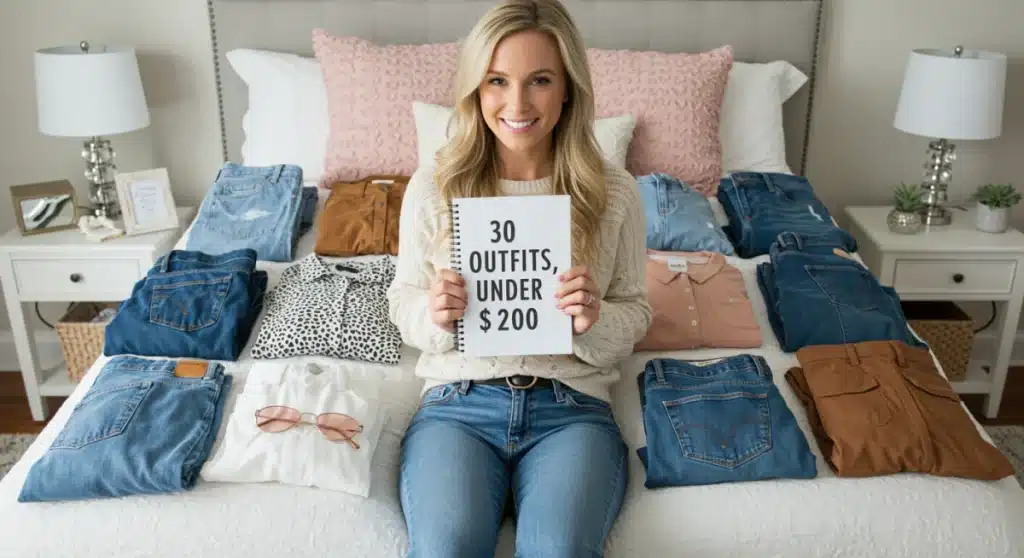
The capsule wardrobe challenge offers a strategic approach to fashion, enabling individuals to create a diverse range of outfits from a limited number of versatile pieces while adhering to a strict budget, promoting conscious consumption and personal style.
Advertisements
Are you ready to revolutionize your style without emptying your wallet? The capsule wardrobe challenge, specifically the ’15 Pieces, 30 Outfits, Under $200′ approach, is emerging as the ultimate budget fashion hack for 2026, promising both style and significant savings.
Understanding the Capsule Wardrobe Philosophy
The concept of a capsule wardrobe isn’t new, but its resurgence in 2026, particularly with a stringent budget, highlights a growing desire for intentional consumption and sustainable living. At its core, a capsule wardrobe involves curating a limited collection of versatile clothing items that can be mixed and matched to create numerous outfits. This approach simplifies dressing, reduces decision fatigue, and most importantly for many, significantly cuts down on fashion expenses.
Embracing this philosophy means shifting away from fast fashion’s endless cycles and towards a more thoughtful selection process. It’s about quality over quantity, versatility over fleeting trends, and personal style over societal pressures. The ’15 Pieces, 30 Outfits, Under $200′ challenge takes this principle to an exciting new level, pushing participants to maximize creativity within tight constraints.
The historical roots of capsule wardrobes
The idea of a capsule wardrobe can be traced back to the 1970s, popularized by Susie Faux, owner of a London boutique. She introduced the concept of a collection of essential items that never go out of fashion and can be augmented with seasonal pieces. Later, Donna Karan’s 1985 ‘Seven Easy Pieces’ collection further cemented the idea in mainstream fashion, demonstrating how a few key items could form the basis of an entire professional wardrobe. This historical context underscores the enduring practicality and elegance of the capsule approach.
- Susie Faux’s influence: Pioneered the idea of a core collection of timeless garments.
- Donna Karan’s impact: Showcased the versatility of fundamental pieces for various occasions.
- Modern adaptation: Focuses on conscious consumption and budget-friendly choices.
Ultimately, understanding the capsule wardrobe philosophy is about more than just owning fewer clothes; it’s about cultivating a deeper appreciation for your personal style, making deliberate choices, and contributing to a more sustainable fashion ecosystem. This challenge is not just about saving money; it’s about enriching your wardrobe experience.
Strategic Planning for Your 15-Piece Capsule
Embarking on the 15-piece capsule wardrobe challenge requires meticulous planning. It’s not about randomly picking items but strategically selecting pieces that offer maximum versatility and align with your lifestyle. This initial planning phase is crucial to ensuring you can indeed generate 30 distinct outfits and stay within the $200 budget.
Start by assessing your current wardrobe and identifying what you genuinely wear and what makes you feel good. Consider your daily activities – do you need more casual wear, professional attire, or something in between? Your capsule should reflect your real-life needs, not an idealized version of your life. This realistic approach will prevent you from buying items that look good in theory but remain unworn.
Selecting versatile core pieces
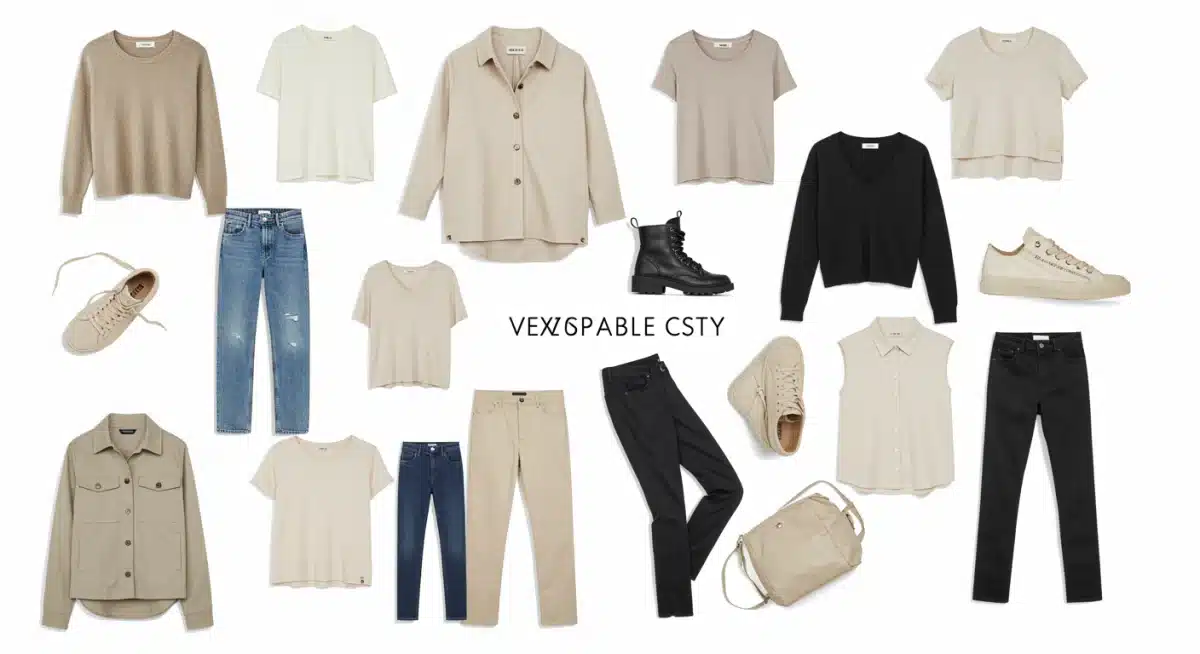
The key to success lies in choosing items that can be dressed up or down, mixed with almost everything else, and are in neutral colors. Think black, white, gray, navy, and beige. These colors form a strong foundation that allows for more playful accessories or a single pop of color if desired. Focus on classic silhouettes that won’t go out of style quickly.
- Neutral color palette: Ensures seamless mixing and matching.
- Versatile silhouettes: Classic cuts that transcend seasonal trends.
- Layering potential: Items that can be worn alone or combined for different looks.
Beyond color and silhouette, consider the fabric and care requirements. Opt for durable, low-maintenance materials that will withstand frequent wear and washing. A well-chosen T-shirt made of quality cotton will serve you better than a flimsy, trendy top. This thoughtful selection process is the bedrock of a successful and enduring capsule wardrobe.
Budgeting for Under $200: Smart Shopping Strategies
Achieving a functional 15-piece capsule wardrobe for under $200 might seem daunting, but it’s entirely achievable with smart shopping strategies. This budget constraint forces creativity and encourages exploring avenues beyond traditional retail. The goal is to acquire quality, versatile pieces without breaking the bank, proving that style doesn’t have to be expensive.
Begin by creating a detailed list of the 15 items you need. Prioritize essentials you might already own or can acquire cheaply. Then, research prices from various sources. Don’t limit yourself to new items; second-hand options often provide higher quality for less money. This approach aligns perfectly with sustainable fashion principles, reducing waste and extending the life of garments.
Where to find affordable, quality clothing
Thrift stores, consignment shops, and online marketplaces like Poshmark or ThredUp are goldmines for budget-conscious fashionistas. These platforms allow you to find pre-loved items in excellent condition, often from reputable brands, at a fraction of their original cost. Yard sales and community clothing swaps can also yield unexpected treasures.
- Thrift stores: Excellent for unique finds and vintage pieces.
- Online consignment: Access to a wider selection and specific brands.
- Sales and clearance racks: Strategic timing can lead to significant savings on new items.
Always inspect items carefully for quality and fit before purchasing. Even if the price is low, a damaged or ill-fitting garment is not a good deal. Remember, the $200 budget is not just for the initial purchase but also for potential minor alterations if a piece is almost perfect. Being resourceful and patient are your best assets in this budgeting phase.
The Art of Mixing and Matching: Crafting 30 Outfits
Once you have your 15 carefully selected pieces, the real fun begins: creating 30 distinct outfits. This is where the versatility of your chosen garments truly shines. The art of mixing and matching transforms a limited wardrobe into an expansive collection of looks, challenging your creativity and refining your personal style.
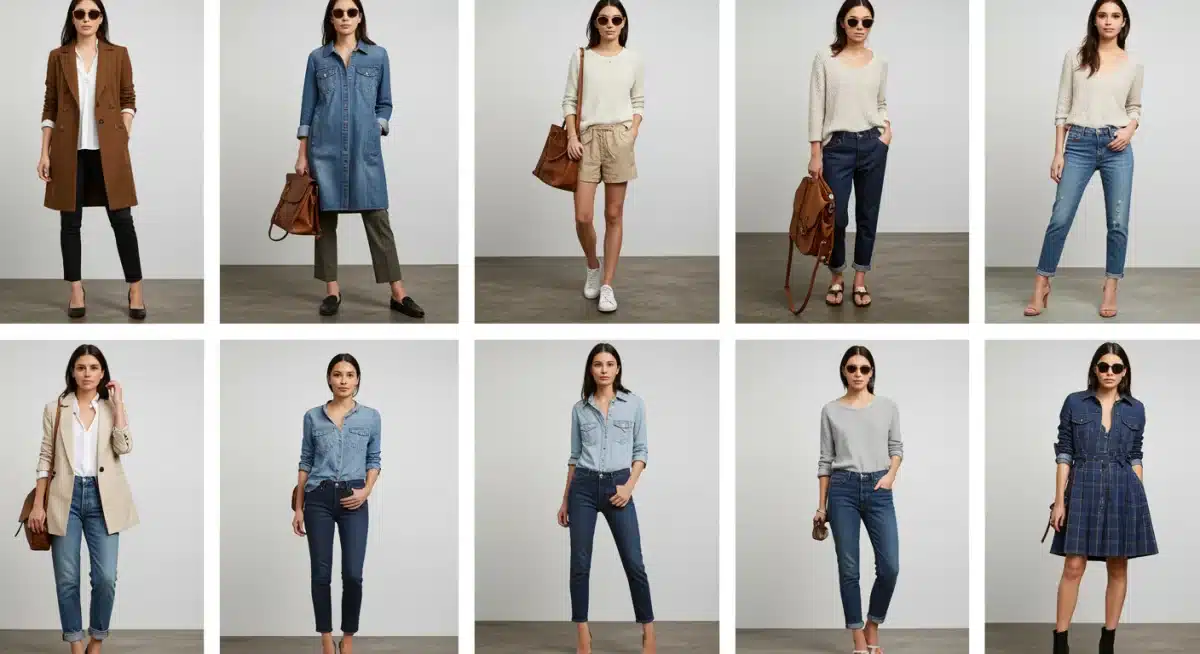
Start by combining different tops with different bottoms. Then, introduce layering pieces like cardigans or jackets. Don’t underestimate the power of accessories – scarves, belts, and jewelry can drastically alter an outfit’s feel. Even changing your shoes can completely transform a look from casual to formal. Documenting your outfits, perhaps with photos, can help you keep track and discover new combinations.
Examples of outfit combinations
Consider a basic white T-shirt. It can be paired with jeans for a casual look, tucked into a pencil skirt for a business-casual ensemble, or layered under a blazer for a more polished appearance. A versatile black dress can be worn alone with sneakers for a relaxed vibe, or dressed up with heels and statement jewelry for an evening out. The possibilities multiply when you think in terms of interchangeable components.
- Base layers: T-shirts, tank tops, and long-sleeved shirts.
- Outer layers: Cardigans, blazers, and lightweight jackets.
- Bottoms: Jeans, trousers, and skirts in complementary colors.
The goal is to think beyond fixed outfits and instead view each piece as a building block. Experiment with different textures, proportions, and levels of formality. You’ll be surprised at how many unique looks you can create, proving that a small wardrobe can lead to endless style possibilities. This process not only saves money but also enhances your understanding of personal style.
Beyond the Basics: Accessories and Personal Touches
While the 15-piece challenge focuses on core clothing items, accessories play a pivotal role in elevating and diversifying your outfits. They are the personal touches that transform basic garments into unique expressions of your style. Crucially, accessories don’t count towards your 15-piece limit, offering a creative outlet without breaking the core rules of the challenge.
Think about versatile accessories that can complement multiple outfits. A classic belt, a statement necklace, a couple of scarves, and a pair of sunglasses can add significant flair. Shoes are also key; two to three versatile pairs (e.g., sneakers, flats/loafers, and a pair of dressier boots or heels) can cover most occasions. The trick is to choose accessories that resonate with your personal aesthetic and enhance, rather than overwhelm, your chosen garments.
Maximizing impact with minimal accessories
The beauty of a capsule wardrobe is its simplicity, and accessories should follow suit. Instead of a large collection of inexpensive, trendy items, invest in a few high-quality, timeless pieces that you truly love. These items will not only last longer but also possess the power to elevate even the simplest outfit.
- Scarves: Can be worn in multiple ways (neck, hair, bag).
- Jewelry: A few key pieces like earrings, a watch, or a necklace.
- Bags: One versatile handbag and perhaps a smaller clutch.
Remember, the goal is not to accumulate more, but to make thoughtful choices that maximize impact. A well-placed accessory can breathe new life into an outfit you’ve worn multiple times, making it feel fresh and new. This thoughtful curation of accessories is integral to mastering the capsule wardrobe challenge and expressing your unique style.
Long-Term Benefits and Sustainable Fashion Impact
Successfully completing the ‘Capsule Wardrobe Challenge: 15 Pieces, 30 Outfits, Under $200’ extends far beyond the immediate satisfaction of creating stylish looks on a budget. It instills habits that lead to profound long-term benefits, both for your personal finances and for the planet. This challenge is a gateway to a more sustainable and conscious approach to fashion, proving that less can indeed be more.
One of the most significant long-term benefits is the financial saving. By curbing impulsive purchases and investing in versatile, durable pieces, you’ll spend less on clothing over time. This extra money can then be allocated to other areas of your life, from savings to experiences. Furthermore, the reduced decision fatigue associated with a smaller wardrobe frees up mental energy for more important tasks.
Contributing to a sustainable future
From an environmental perspective, embracing a capsule wardrobe is a powerful statement against fast fashion’s detrimental effects. The fashion industry is a major contributor to pollution, waste, and resource depletion. By choosing to buy fewer clothes, utilizing second-hand options, and prioritizing longevity, you actively reduce your ecological footprint.
- Reduced waste: Less clothing sent to landfills.
- Lower carbon footprint: Decreased demand for new production.
- Ethical consumption: Encourages support for sustainable brands.
The challenge also fosters a deeper appreciation for the clothes you own, encouraging better care and maintenance, which further extends their lifespan. This shift in mindset from constant acquisition to mindful curation is a critical step towards a more sustainable fashion future. Ultimately, this challenge isn’t just about clothes; it’s about making a conscious choice for a better lifestyle and a healthier planet.
Overcoming Challenges and Staying Motivated
While the capsule wardrobe challenge offers numerous benefits, it’s not without its hurdles. Staying motivated and overcoming the inevitable desire for new, trendy items requires discipline and a clear understanding of your goals. Anticipating these challenges and having strategies in place will ensure your success in the ’15 Pieces, 30 Outfits, Under $200′ endeavor.
One common challenge is the initial detox phase, where you might feel restricted by the limited choices. It’s important to remember that this feeling is temporary and often gives way to a newfound creativity. Another hurdle can be resisting the allure of sales and new collections. Remind yourself of your budget and sustainability goals, and focus on maximizing what you already have.
Tips for long-term success
To maintain motivation, regularly review your capsule. Are there any pieces that aren’t working as hard as they should? Can you find new ways to style existing items? Engage with online communities dedicated to capsule wardrobes for inspiration and support. Seeing how others navigate similar constraints can be incredibly encouraging.
- Set clear goals: Define your reasons for undertaking the challenge.
- Document progress: Take photos of your outfits to track variety.
- Community support: Share experiences and gain inspiration from others.
Finally, allow for flexibility. A capsule wardrobe is a tool to simplify your life, not a rigid prison. If a piece genuinely isn’t working or you discover a gap, don’t be afraid to make a thoughtful replacement. The goal is continuous improvement and personal growth, leading to a wardrobe that truly serves you, both stylistically and financially, well into 2026 and beyond.
| Key Point | Brief Description |
|---|---|
| 15-Piece Limit | Strictly selecting 15 versatile garments to form the core wardrobe. |
| 30 Outfits Goal | Maximizing creativity to generate a minimum of 30 distinct looks. |
| Under $200 Budget | Utilizing smart shopping (thrift, sales) to acquire items affordably. |
| Sustainable Impact | Promoting conscious consumption and reducing fashion waste. |
Frequently Asked Questions About the Capsule Wardrobe Challenge
A capsule wardrobe challenge involves curating a limited number of clothing items, typically 15-30, that can be mixed and matched to create a wide array of outfits over a set period. This specific challenge focuses on creating 30 outfits from just 15 pieces for under $200.
To stay under budget, focus on thrift stores, consignment shops, online marketplaces for pre-owned items, and clearance sales. Prioritize versatile, neutral-colored pieces and utilize items you already own. Strategic planning and patience are key to finding quality items affordably.
Focus on highly versatile core pieces such as neutral-colored tops (T-shirts, blouses), bottoms (jeans, trousers, a skirt), and layering items (cardigan, blazer, jacket). Choose items that can be dressed up or down and easily combined with each other for maximum outfit potential.
No, accessories like shoes, bags, jewelry, and scarves typically do not count towards the 15-piece clothing limit. They are essential for diversifying outfits and adding personal touches without increasing the core garment count, allowing for creative expression.
The challenge offers significant financial savings, reduces decision fatigue, minimizes wardrobe clutter, and promotes a more sustainable approach to fashion. It encourages creativity, helps define personal style, and contributes to reducing textile waste, fostering conscious consumption habits.
Conclusion
The ‘Capsule Wardrobe Challenge: 15 Pieces, 30 Outfits, Under $200’ is more than just a passing trend; it’s a powerful methodology for transforming your relationship with fashion. By embracing intentionality, creativity, and resourcefulness, participants can achieve a stylish, versatile wardrobe that respects both their budget and the planet. This approach not only simplifies daily dressing but also unlocks a deeper understanding of personal style, proving that true elegance lies not in abundance, but in thoughtful curation. As we move further into 2026, the principles of this challenge offer a sustainable and smart path for anyone looking to refine their style economically and ethically.