
Garment steamer vs iron: which is better for daily care
Advertisement
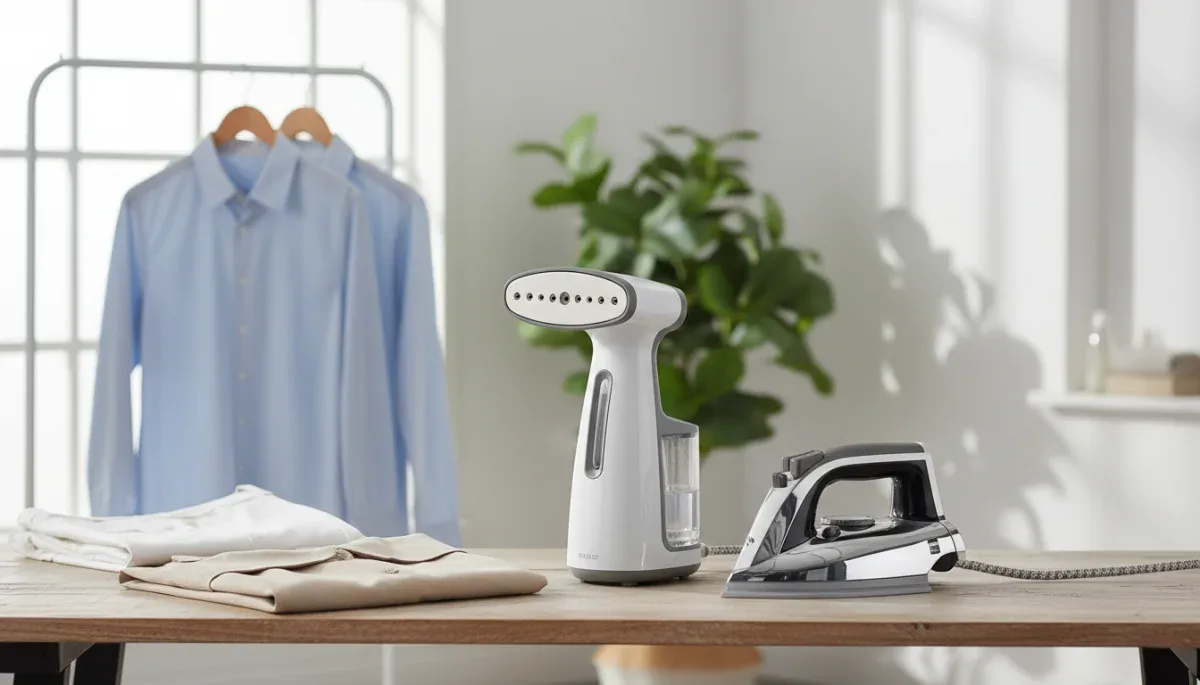
A garment steamer relaxes wrinkles using hot steam without pressing against the fabric, while a traditional iron uses direct heat, weight, and friction on a flat board to create sharp creases. Choosing the right tool depends on whether your wardrobe consists mainly of structured woven fabrics like cotton poplin or flowing materials like polyester, rayon, and silk.
Using the proper method keeps budget clothing looking fresh and prevents premature fabric wear, scorch marks, or accidental shine. The primary tradeoff comes down to crisp definition versus speed and fabric safety, making it essential to match each tool to specific garments.
Understanding how heat and pressure work on fabrics
Both garment steamers and traditional irons rely on heat to relax the chemical bonds holding wrinkles in textile fibers. However, their physical mechanisms differ significantly. An iron combines heat with mechanical pressure from a heavy soleplate, flattening fibers against an ironing board. This physical compression creates crisp folds, sharp pleats, and flat seams.
Advertisement
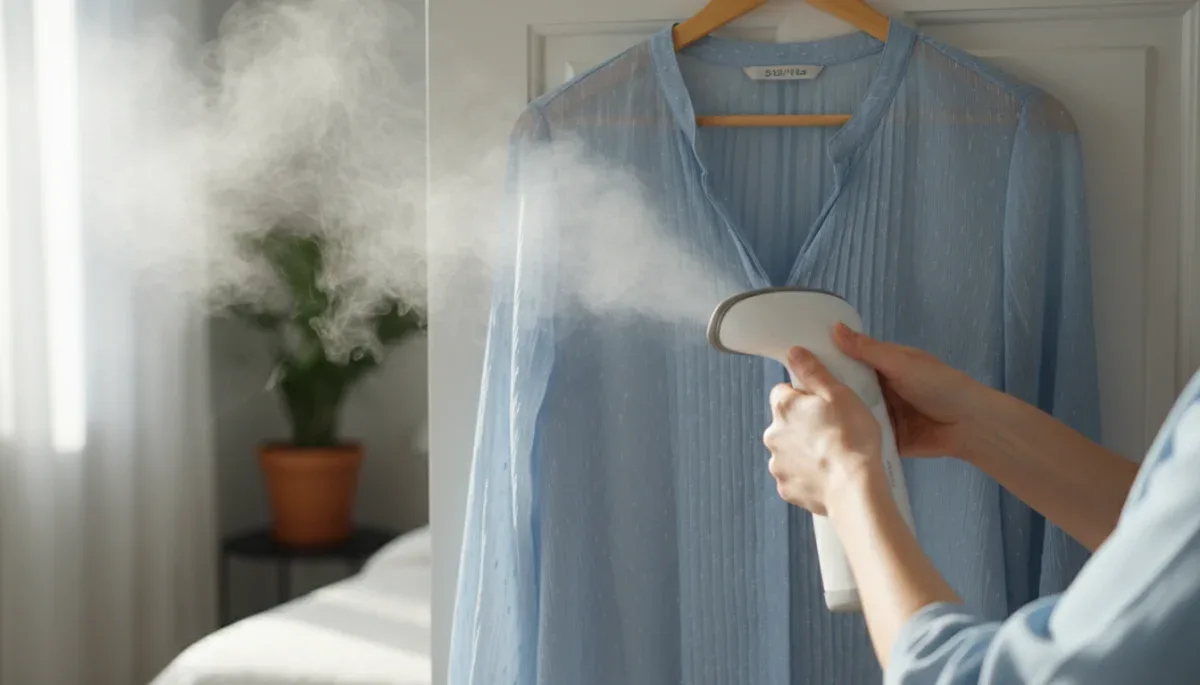
A garment steamer emits heated water vapor through a nozzle without requiring downward force. The steam expands inside the yarn, swelling and loosening the fibers so gravity pulls the fabric smooth naturally. Because there is no soleplate bearing down on the weave, steaming eliminates the risk of crushing delicate surface textures, flattening knit loops, or leaving unwanted glossy marks on synthetic textiles.
Key factors in wrinkle removal physics
- Steam temperature: Heated vapor reaches temperatures above boiling to soften synthetic and natural fibers quickly.
- Mechanical pressure: Heavy soleplates physically flatten yarn structures to hold sharp structural lines.
- Board friction: Ironing boards hold garments taut during pressing, whereas steamers rely on garment weight.
- Fiber expansion: Moisture penetrates deep into dense weaves, releasing internal fiber tension safely.
When a traditional iron delivers better results
Traditional irons excel when structured garments require defined lines, crisp collars, or sharp creases. Tailored dress shirts, pleated trousers, formal blazers, and heavy linen items benefit from the firm pressure that only a flat soleplate can provide. Steaming these items can remove surface wrinkles, but it cannot produce a clean crease down a pant leg or stiffen a button-down collar.
Heavy woven materials like heavyweight cotton, denim, and canvas also respond better to the combination of dry heat and targeted steam bursts. The weight of the iron forces heat through multiple layers of dense fabric, such as plackets and cuffs, which standard steam output often fails to penetrate efficiently.
Garments that benefit most from traditional ironing
- Formal dress shirts: Firm pressing keeps collar points and button plackets flat and crisp.
- Pleated skirts and trousers: Direct plate contact locks in sharp geometric folds that stay in place.
- Linen garments: Dense flax fibers require heavy pressure and high heat to lose stubborn deep creases.
- Quilting and sewing projects: Open seams must be pressed flat to maintain accurate garment dimensions.
Why a garment steamer works best for modern wardrobes
Modern fashion relies heavily on synthetic blends, lightweight knits, and flowing silhouettes that can burn or deform under the direct soleplate of an iron. A garment steamer handles these items without needing an ironing board. You can steam garments directly on their hangers, making it ideal for quick touch-ups before leaving the house.
Steaming is also gentle on embellishments, ruffles, gathers, and delicate sleeves. Trying to guide a flat iron around sequins, embroidery, puff sleeves, or plastic buttons often leads to melted trim or uneven pressing. A steamer nozzle maneuvers smoothly over unusual construction details without crushing three-dimensional garment shapes.
Clothing styles best suited for vertical steaming
- Synthetic blouses: Polyester and nylon blends release wrinkles quickly without surface glazing.
- Knit sweaters: Steam refreshes wool and acrylic knits without flattening the lofty ribbing.
- Dresses with ruffles: Floating steam smooths tiered skirts without crushing fabric volume.
- Tailored jackets: Steaming refreshes outer suit jackets without flattening shoulder pads or chest canvases.
Energy use, setup time, and maintenance requirements
Setup time is one of the main factors influencing everyday habits. Setting up an ironing board requires dedicated floor space and several minutes for the iron to reach proper temperature. Handheld and upright steamers generally heat water in thirty to sixty seconds, allowing you to treat a single garment quickly in a small bedroom or closet.
Both appliances require routine maintenance to prevent mineral accumulation. Tap water contains dissolved minerals that turn into white scale when heated. Over time, scale can clog steam vents and spit chalky residue onto clean clothes. Using distilled water prolongs the lifespan of both irons and steamers and prevents mineral stains on dark fabrics.
Practical maintenance steps for both appliances
- Use distilled water: Eliminates calcium buildup inside the boiler and steam pathways.
- Empty reservoirs after use: Prevents stagnant water from developing odors or promoting internal corrosion.
- Clean soleplates regularly: Wipe iron plates with a damp cloth when cool to remove melted sizing residue.
- Perform periodic descaling: Flush appliances with a dilute vinegar solution according to manufacturer guidelines.
Choosing the right tool for budget fabrics and synthetics
Budget-friendly fast fashion garments often contain heat-sensitive fibers such as elastane, polyamide, and acrylic. Direct contact with a hot iron soleplate can scorch these fibers instantly, leaving a shiny patch or melting the material entirely. A steamer reduces this risk because the nozzle does not need to rest directly against the surface to be effective.
For individuals building a wardrobe of affordable workwear, casual tops, and everyday dresses, a steamer offers the most versatility with the lowest risk of garment damage. However, if your daily wardrobe requires structured business attire, crisp uniform shirts, or thick natural cottons, keeping a basic flat iron remains necessary for achieving polished results.
At a glance
| Feature | What to know |
|---|---|
| Best fabric types | Irons suit heavy cotton and linen, while steamers suit synthetics, silks, and knits. |
| Setup and storage | Steamers heat up faster and need no board, whereas irons require dedicated board space. |
| Finish style | Irons create crisp edges and sharp creases, while steamers produce soft, natural drape. |
| Fabric safety | Steaming carries minimal burn risk, while irons can scorch synthetics or crush textures. |
Frequently asked questions
Can a garment steamer completely replace an iron?
A garment steamer cannot fully replace an iron if you wear structured cotton shirts, pleated pants, or garments requiring sharp creases. While a steamer removes wrinkles effectively from most casual and delicate clothing, it lacks the mechanical pressure needed to flatten seams and create crisp edges.
Does steaming clothes remove odors and bacteria?
Yes, hot steam helps neutralize surface odors and reduce common bacteria between regular wash cycles. The high temperature of the water vapor refreshes jackets, sweaters, and delicate items without subjecting them to the abrasive wear of frequent machine washing.
Can you use tap water in garment steamers and irons?
You can use tap water if allowed by the manufacturer, but distilled water is recommended to prevent mineral buildup. Hard water causes calcium scale inside the heating element, which can clog steam holes and spit white residue onto clothing over time.
Will a traditional iron ruin synthetic budget clothing?
An iron can damage synthetic clothing if used at high heat settings or placed directly onto synthetic fibers without a pressing cloth. High soleplate heat melts or glazes polyester and nylon, whereas a steamer smooths synthetics safely without direct pressure.
The bottom line
A garment steamer is the most convenient tool for everyday delicate tops, synthetic blends, knitwear, and quick morning touch-ups, while a traditional iron remains essential for crisp dress shirts, formal trousers, and heavy natural fibers. Before treating any garment with heat, always check the interior fabric care tag for temperature limits and iron-safety symbols to avoid permanent fiber damage.
Written by
Lucas Bastos
Lucas Bastos writes about budget fashion tips, celebrity style steals and seasonal fashion trends for news4shein.com. Each article explains how things work, compares published details such as prices, policies and program rules, and points readers to the official source before they decide.