
How the Met Gala theme is chosen and designed
Advertisement
The Met Gala theme announcement establishes the intellectual focus of the Costume Institute's annual spring exhibition at the Metropolitan Museum of Art in New York and dictates the dress code for invited guests on the first Monday in May. The announcement represents the public reveal of years of academic research, curatorial preservation, and private coordination between museum officials, Vogue leadership, and institutional sponsors.
This early glimpse helps fashion observers, home tailors, and retail shoppers anticipate the silhouettes, fabrics, and conceptual motifs that will dominate design conversations throughout the upcoming year. The challenge for observers lies in separating the serious historical scholarship displayed inside the gallery rooms from the theatrical, high-budget red carpet spectacles that dominate broadcast coverage and social media feeds.
The curatorial roots of the annual Costume Institute exhibition
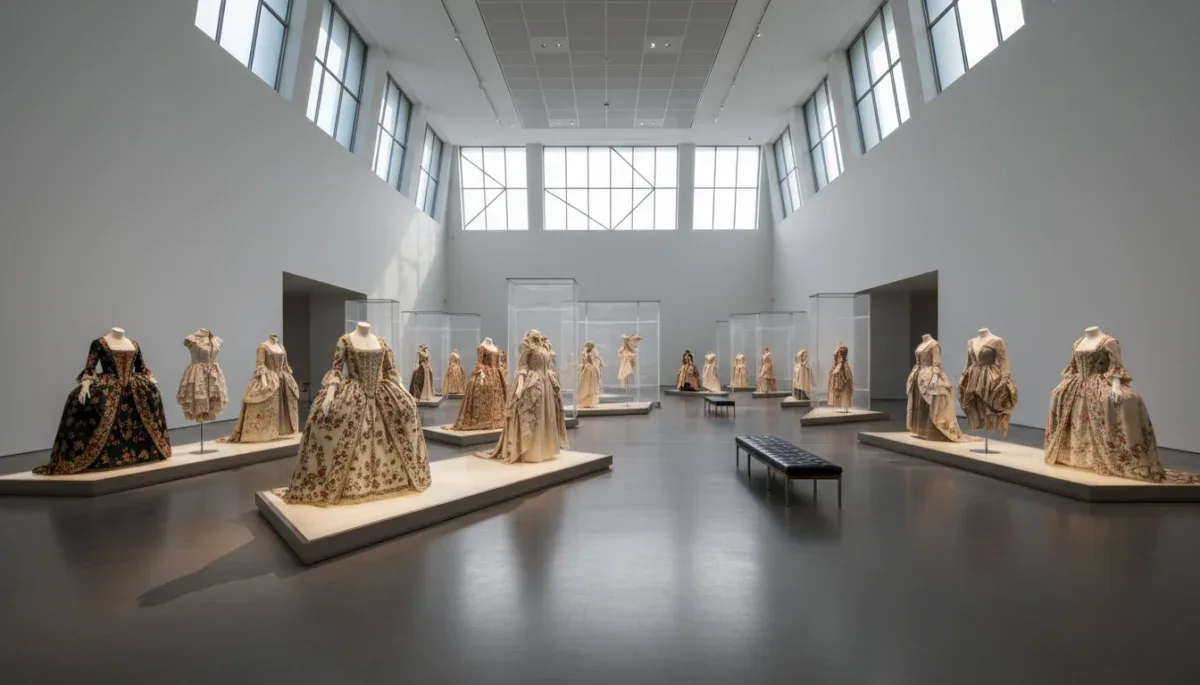
Every Met Gala centers on an exhibition curated by the Costume Institute, the only curatorial department at the Metropolitan Museum of Art whose operational budget must be funded independently. The curator in charge, Andrew Bolton, spends several years developing each thesis before it reaches public consideration. Curators do not select themes based primarily on celebrity appeal or photogenic red carpet potential. Instead, they choose topics that explore cultural movements, historical dress traditions, technical tailoring innovations, or the philosophical boundaries of clothing as fine art.
Advertisement
The institutional objective is to treat fashion as an academic discipline alongside sculpture, painting, and architecture. Exhibitions often juxtapose centuries-old garments from the museum's permanent archive with modern pieces from independent designers and historic fashion houses. Curators formulate a master checklist of garments, negotiate loans from private collectors and European archives, and commission essays for an accompanying scholarly catalog published by the museum.
Key stages of internal theme development
- Preliminary archival research conducted by museum staff to confirm that enough surviving garments exist worldwide to support the core thesis.
- Formal presentation to museum leadership, including the director and trustees, to verify intellectual rigor and logistical feasibility.
- Private consultation with Vogue editor-in-chief Anna Wintour and corporate sponsors to confirm financial backing for the gala production.
- Finalization of international loan agreements with cultural ministries, preservation trusts, and private fashion archives.
The timeline of the official theme announcement
The formal Met Gala theme announcement generally takes place during the autumn preceding the event, most commonly between late September and mid-November. Organizers confirm the exhibition's academic title, the principal commercial sponsors, and the honorary co-chairs during a press event held in New York, Paris, or London. This announcement gives global fashion houses roughly six to seven months to conceptualize, pattern, and stitch the bespoke red carpet ensembles worn by their celebrity clients.
Shortly after the exhibition subject is publicized, organizers release the specific gala dress code, which may differ slightly from the museum exhibition title. For example, when the exhibition explored the relationship between technology and craft in fashion, the dress code encouraged technological formalwear, whereas an exhibition dedicated to an individual designer might prompt archival tributes. This distinction between the exhibition title and the party dress code ensures that guests have creative latitude without duplicating exact historical garments from the galleries.
At the time of writing, the Costume Institute adheres to strict disclosure protocols, rarely sharing confirmed attendee lists or garment designs prior to the red carpet broadcast. This controlled rollout preserves the drama of the arrivals while directing sustained attention toward the museum's educational programming.
How fashion ateliers interpret the theme for the red carpet
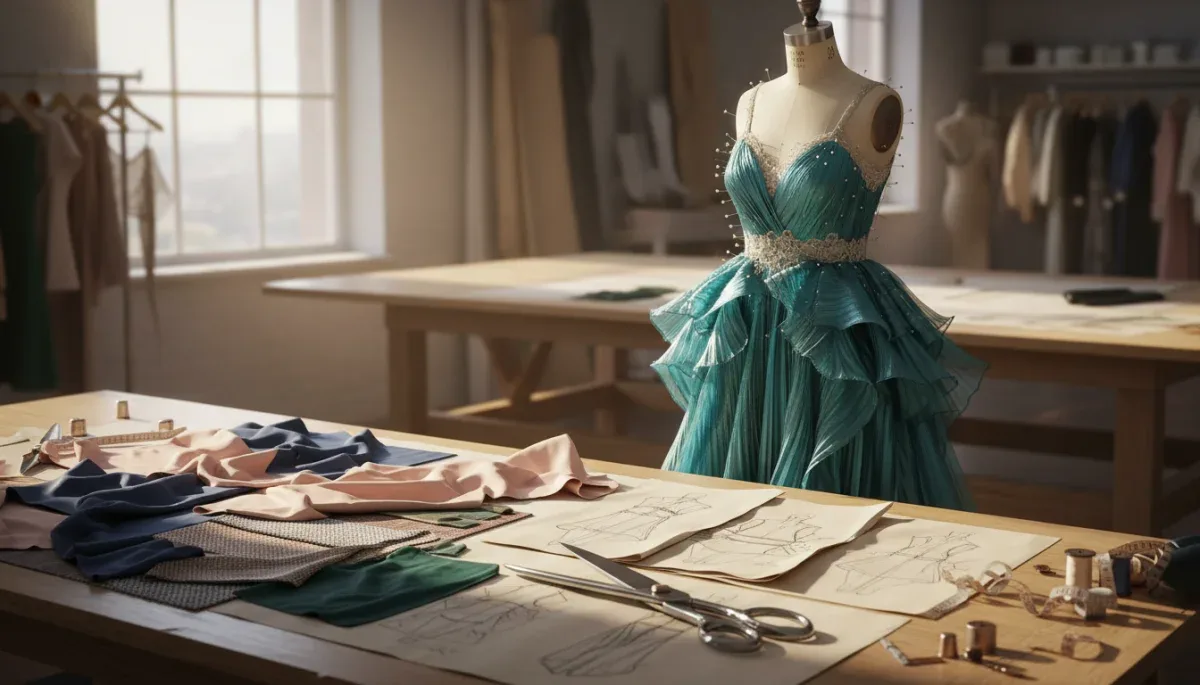
Once the dress code becomes public, couture ateliers and ready-to-wear design houses begin an exhaustive drafting process. Designers match with invited guests, usually through brand ambassador contracts or direct museum invitations, to develop custom looks. The goal is to construct a garment that pays homage to the curator's thesis while reinforcing the house's distinct aesthetic identity and flattering the wearer.
Creative directors study the academic concept and produce hundreds of technical croquis sketches before commissioning fabric mills to produce custom textiles, embroideries, or architectural understructures. Fitting cycles begin months in advance. Designers construct initial mockups in inexpensive cotton muslin to perfect proportions, drape, and structural stability before cutting into delicate silks, archival brocades, or hand-dyed tulles. Because garments are built by hand in dedicated workshops, a single couture ensemble can require between several hundred and several thousand hours of manual labor.
Standard workflow inside a couture workshop
- Concept alignment between the designer, client styling team, and house archivists to establish silhouette references.
- Creation of structural muslins and wire armature to test weight distribution, walking mechanics, and sitting capacity.
- Specialty handcrafting, including beadwork, feather application, pleating, and metal smithing executed by specialized artisans.
- Final fittings in New York hotel suites during the seventy-two hours leading up to the museum carpet entry.
Engineering the museum exhibition displays
While design teams focus on evening wear that moves up the grand museum staircase, Costume Institute conservators and exhibition designers face an entirely different engineering challenge: mounting historical garments inside climate-controlled galleries. Unlike red carpet clothes, which are worn for only a few hours, exhibition garments must remain on display for months without succumbing to material degradation, fabric stretching, or light damage.
Costume conservation specialists build customized mannequins for every piece on display. Ready-made retail forms cannot accommodate the idiosyncratic silhouettes of historical periods or the precise tailoring of haute couture. Conservators carve inert polyethylene foam, wrap it in archival batting, and cover it in unbleached cotton stockinette to ensure that no synthetic chemicals degrade aged fibers. The garment's weight must be supported evenly across its internal structure so that fragile seams and aging linings do not tear under gravitational tension.
Lighting designers, scenic architects, and audio engineers collaborate to build custom gallery vignettes that immerse visitors in the curator's narrative. Galleries utilize cold, low-lux fiber-optic or LED systems that minimize ultraviolet and infrared radiation, preserving delicate organic materials such as silk, wool, and natural dyes throughout the exhibition run.
Translating red carpet concepts to everyday wardrobe choices
The Met Gala theme announcement directly shapes mass-market retail fashion across the United States, although the translation happens through practical silhouettes rather than avant-garde costume pieces. Trend forecasters, mass-market buyers, and department store design teams closely watch the gala to determine which structural details, colors, textures, and fabric combinations capture consumer attention.
When the gala highlights themes such as camp, celestial imagery, or functional tailoring, mainstream retailers take note. Within six to nine months, mass-production brands begin stocking wearable interpretations of these aesthetic concepts. A hand-beaded metal bustier seen on the museum steps may re-emerge in suburban shopping malls as a metallic camisole, a lamé slip dress, or hardware accents on standard denim jackets. Understanding this diffusion model allows savvy shoppers to identify emerging motifs before prices rise or trends saturate the market.
Shoppers looking to incorporate gala-inspired aesthetics into daily wear do not need couture budgets. By isolating a single textural element, such as pleating, exaggerated sleeves, or monochrome tonal styling, one can build elevated, contemporary outfits from thrift shops, off-price department stores, or existing closet staples without purchasing theatrical statement pieces.
Evaluating high fashion themes without overspending
Analyzing high fashion events with a practical mindset requires distinguishing between structural craftsmanship and superficial styling tricks. High-end ateliers rely on superior pattern drafting, internal corsetry, natural fibers, and hand finishing to achieve their dramatic visual effects. Budget-conscious consumers can evaluate these techniques to make smarter everyday purchases that stand the test of time.
Instead of purchasing fast-fashion replicas made from thin synthetic polyester that wrinkles and degrades after a few washes, look for well-constructed garments made from structured cotton twill, linen blends, or dense wool. Investing in a tailored blazer with sharp shoulders or a skirt with cleanly finished bias seams yields far more daily versatility than buying seasonal novelty items intended for viral social media moments.
Learning how professional designers solve garment challenges, such as balancing voluminous skirts with fitted bodices or using contrasting textures to create visual depth, provides practical lessons in everyday proportion and styling. Smart shopping is less about chasing an exact designer label and more about adopting the structural discipline that makes memorable garments work in the first place.
At a glance
| Factor | What to know |
|---|---|
| Theme source | The theme originates as a scholarly exhibition curated by the Costume Institute. |
| Announcement window | Details are formally confirmed by museum officials during the autumn months. |
| Dress code relationship | The red carpet dress code is a creative interpretation of the exhibition subject. |
| Retail translation | Commercial trends adopt gala textures, silhouettes, and motifs six to twelve months later. |
Frequently asked questions
Who decides the Met Gala theme each year?
The theme is developed by Andrew Bolton, the curator in charge of the Costume Institute, alongside his curatorial team. The concept requires formal approval from the Metropolitan Museum of Art leadership, including the director, and is reviewed alongside Vogue editor-in-chief Anna Wintour before public announcement.
Is the Met Gala dress code the same as the exhibition title?
No, the dress code often differs from the exhibition title. The exhibition title reflects the academic research of the museum display, while the dress code is a focused directive given to guests to inspire red carpet garments that complement the broader curatorial thesis without strictly replicating historical artifacts.
How long do designers have to create Met Gala dresses?
Design houses typically have between five and seven months to design, pattern, and stitch custom garments. Preliminary concepts begin immediately after the autumn announcement, with final fabric production, structural fittings, and artisanal embroidery work occurring throughout the winter and early spring months.
How does the Met Gala affect everyday fashion retail?
Mainstream clothing manufacturers and buyers observe the event to identify popular colors, silhouettes, and textures. Simplified, wearable interpretations of these design elements typically appear in retail stores and department outlets within six to twelve months following the red carpet broadcast.
The bottom line
The Met Gala theme announcement represents the starting point for both a world-class historical art exhibition and months of intensive, private craftsmanship by global fashion ateliers. While the event produces spectacular visual theater, its real value for everyday consumers lies in watching how master tailors work with proportion, volume, and material texture. Before buying trendy pieces inspired by the gala, check garment labels for durable fabric blends and evaluate your existing wardrobe to see if you can achieve the same styling effect with clothes you already own.
Written by
Rita Luiza
Rita Luiza writes about US fashion events, seasonal fashion trends and budget fashion tips for news4shein.com. Each article explains how things work, compares published details such as prices, policies and program rules, and points readers to the official source before they decide.