
How to read clothing care label symbols correctly
Advertisement
Clothing care label symbols provide standardized laundry directions designed to prevent fabric shrinking, fading, color bleeding, and premature fiber breakdown. Learning how to interpret these icons helps anyone shopping on a budget protect affordable garments, though reading the tiny icons requires understanding a specific visual shorthand established by international standards organizations.
The Federal Trade Commission enforces the Care Labeling Rule in the United States, which requires apparel manufacturers to attach permanent labels detailing at least one safe cleaning method. While fast-fashion and budget-friendly pieces often use blended synthetic textiles that require gentle handling, following these printed guidelines ensures your everyday clothes keep their fit and finish through dozens of wash cycles.
The basic five laundry symbols explained
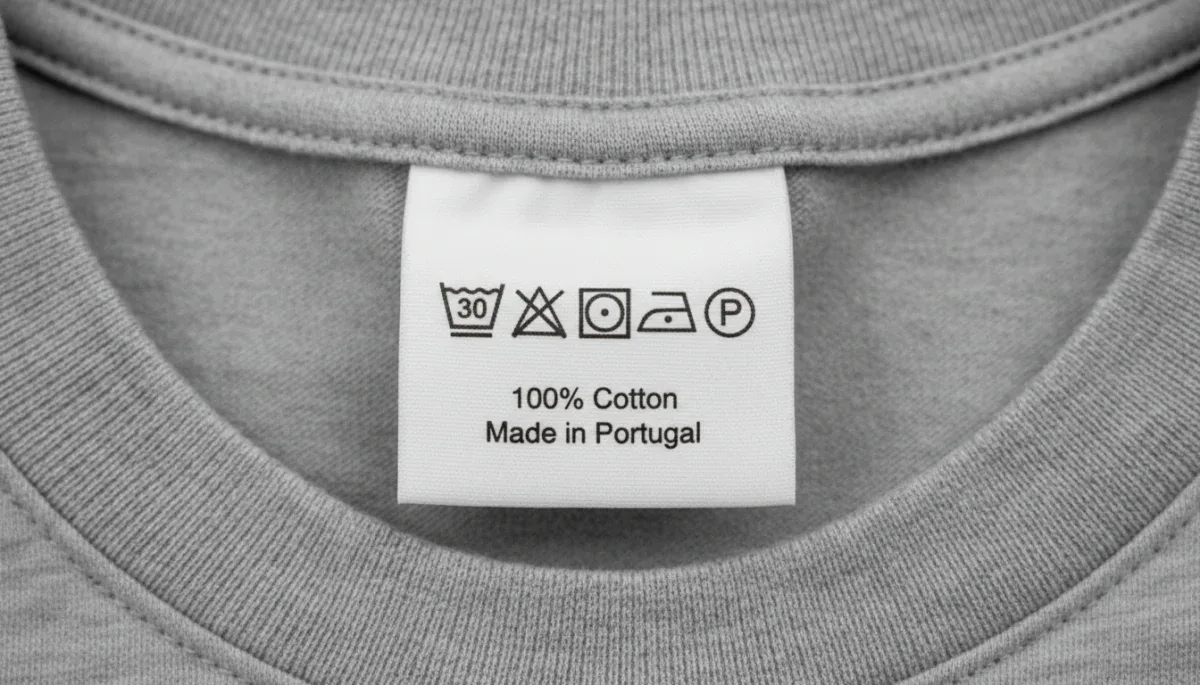
Every clothing care tag relies on a system of five basic geometric shapes that appear in a consistent sequence from left to right. Once you memorize these core silhouettes, decoding any tag becomes straightforward. The first symbol represents washing, shown as a wash tub filled with water. The second icon is a triangle, which designates bleaching instructions. The third icon is a square, representing the drying process. The fourth icon takes the shape of a traditional domestic iron, signifying ironing directions. Finally, the fifth icon is a circle, which denotes professional textile care such as dry cleaning.
Advertisement
Manufacturers across North America, Europe, and Asia adhere to these baseline shapes through standards established by ASTM International and the International Organization for Standardization. While supplemental wording in English often accompanies these icons in the United States market, foreign imports and minimalist tags frequently rely solely on the symbols themselves. Understanding this foundational order allows you to quickly locate the exact step you need without second-guessing the icon meaning.
Order of standard care icons
- Wash tub: Controls water temperature, mechanical agitation, and hand-wash requirements.
- Triangle: Clarifies whether chlorine bleach, non-chlorine bleach, or zero bleach is permitted.
- Square: Directs tumble drying, flat drying, line drying, or drip drying procedures.
- Iron: Sets maximum soleplate temperatures and specifies steam restrictions.
- Circle: Instructs commercial dry cleaners on solvents and professional wet cleaning processes.
Understanding washing instructions and cycle modifiers
The wash tub symbol communicates both water temperature and machine action through a series of dots, numbers, and horizontal bars. When you see a basic tub with water, the garment can undergo normal machine washing. If a hand reaches into the water tub, the fabric cannot withstand machine agitation and must be washed by hand in a sink or basin at water temperatures generally below 104 degrees Fahrenheit.
Water temperature appears either as numerical Celsius degrees or as dots placed inside the tub. A single dot indicates cold water at roughly 85 degrees Fahrenheit, which protects delicate synthetics, dark dyes, and elastic fibers. Two dots indicate warm water at approximately 105 degrees Fahrenheit, ideal for moderately soiled polyester blends and casual cottons. Three dots indicate hot water at around 120 degrees Fahrenheit, used primarily for heavy whites, sheets, and sturdy towels. A tub with an X through it warns that the item cannot be washed in water at all.

Horizontal bars positioned directly beneath the tub indicate the required mechanical agitation. No bar means the normal cycle with regular spin speed is acceptable. A single bar indicates a permanent press or gentle cycle, which uses reduced spin speeds to minimize wrinkles in synthetic fibers. Two bars signify an ultra-delicate or wool cycle with minimal agitation to protect fragile weaves from friction damage.
Decoding bleach, drying, and ironing symbols
Bleach symbols protect garments from chemical oxidation that strips color or dissolves delicate fibers like spandex. An open triangle permits the use of any commercial bleach product, including chlorine bleach. A triangle filled with diagonal lines restricts treatment to non-chlorine or oxygen-based bleach only, protecting colored fabrics and elastane blends from chemical degradation. A solid triangle covered with an X forbids all forms of bleaching entirely.
Drying symbols dictate how a damp item should shed moisture without warping or shrinking. A plain square indicates natural air drying, while a square with an internal circle represents a tumble dryer. Similar to wash symbols, dots inside the circle dictate heat levels: one dot for low heat, two dots for medium heat, and three dots for high heat. A solid black circle inside the square indicates no heat or air-fluff mode. Bars beneath the tumble dry icon again signify permanent press or delicate cycles. For air drying, a curved line across the top of the square means line drying, horizontal lines inside denote flat drying to prevent knitted garments from stretching, and vertical lines specify drip drying.
Ironing symbols utilize a straightforward temperature dot system based on fabric heat tolerance. A single dot inside the iron limits heat to roughly 230 degrees Fahrenheit, suitable for delicate acrylic, nylon, and acetate. Two dots allow medium heat up to 300 degrees Fahrenheit for polyester and wool garments. Three dots permit high heat up to 390 degrees Fahrenheit for durable cottons and heavy linens. If two crossed lines emit from the bottom of the iron, dry iron only without steam, as steam droplets can leave water spots on silk-like materials.
Professional dry cleaning and specialized care symbols
A simple circle indicates that a garment requires professional dry cleaning or commercial textile care. When shopping on a budget, checking for this circle before purchasing is essential, as recurring dry cleaning expenses can quickly exceed the original retail cost of an inexpensive dress or tailored blazer. If the circle features an X across it, the garment must not be dry cleaned, as dry cleaning solvents may dissolve surface coatings, glues, or faux-leather finishes.
Letters placed inside the circle give specific solvent instructions to the professional cleaner rather than the consumer. A letter P directs the cleaner to use perchloroethylene or petroleum-based solvents. A letter F specifies flammable hydrocarbon solvents for sensitive synthetic garments. A letter W surrounded by a circle designates professional wet cleaning, a specialized mechanical process distinct from home washing machines. Bars beneath the circle indicate mild or very mild professional cycles, signaling fragile trim or structural tailoring inside the lining.
Smart laundry habits to protect budget fashion
Applying the information on care labels correctly requires a few simple organizational routines before loading the machine. Always sort garments not merely by shade, but also by weight and required cycle intensity. Washing heavy zippered jeans in the same cycle with lightweight polyester blouses can abrade thin budget fabrics, causing premature pilling and micro-tears regardless of whether the water temperature matches the label.
Turning garments inside out before placing them in the machine reduces abrasive friction on the outer print or weave, keeping colors sharp and surface textures smooth. Mesh laundry bags provide an inexpensive physical barrier for delicate straps, lace trims, and open knitwear. When a care label specifies line drying or flat drying, adhering to that instruction preserves the elastic stretch threads woven into budget denim and workout leggings, which deteriorate quickly under high dryer heat.
Practical steps for garment longevity
- Inspect tags before purchase: Check whether the item demands costly dry cleaning or high-maintenance hand washing before committing your money.
- Wash in cold water: Defaulting to cold water saves energy, reduces utility bills, and preserves dye integrity on most modern washable fabrics.
- Use mesh wash bags: Protect thin polyester, rayon, and budget knitwear from friction against coarser fabrics and zippers.
- Air dry elastane blends: Keep heat away from stretchy clothing to prevent broken elastic fibers and misshapen waistbands.
At a glance
| Care icon | What to know |
|---|---|
| Wash tub dots | One dot means cold, two dots mean warm, and three dots mean hot water. |
| Underline bars | Bars beneath symbols indicate gentler agitation and reduced spin speeds. |
| Square with circle | Indicates tumble drying, where internal dots denote maximum safe heat levels. |
| Plain circle | Signifies professional dry cleaning requirements that add to ongoing clothing care costs. |
Frequently asked questions
Can I machine wash a garment marked hand wash only?
You can sometimes use a front-load machine on a gentle cold cycle inside a mesh garment bag, but it carries risk. Hand-wash tags indicate fragile seams, loose weaves, or trims that mechanical spinning can tear or distort permanently.
What does a circle inside a square with an X mean?
It means do not tumble dry. The garment should be dried naturally using line drying, drip drying, or flat drying according to the remaining icons on the care tag to prevent shrinkage and fiber melting.
Why do care labels have bars under the wash tub?
Bars indicate reduced mechanical action during washing and spinning. One bar represents a permanent press cycle to prevent wrinkles, while two bars demand a gentle cycle designed for fragile fabrics that tear under strong agitation.
Is dry clean only legally mandatory for consumers?
No, the FTC requires manufacturers to list only one verified cleaning method, which is often dry cleaning to avoid testing water safety. However, cleaning structured coats or lined blazers at home remains risky due to internal interfacing.
The bottom line
Reading clothing care label symbols accurately protects your budget wardrobe from accidental shrinking, pilling, and fading while eliminating unnecessary trips to expensive professional cleaners. By matching water temperature, agitation speed, and drying methods to the printed icons, your everyday budget apparel will maintain its shape and original color far longer. Always check the inner side seam tag for fabric composition and care instructions before your first wash cycle.
Written by
Lucas Bastos
Lucas Bastos writes about budget fashion tips, celebrity style steals and seasonal fashion trends for news4shein.com. Each article explains how things work, compares published details such as prices, policies and program rules, and points readers to the official source before they decide.