
Cotton vs Modal Fabric for Everyday Basics
Advertisement
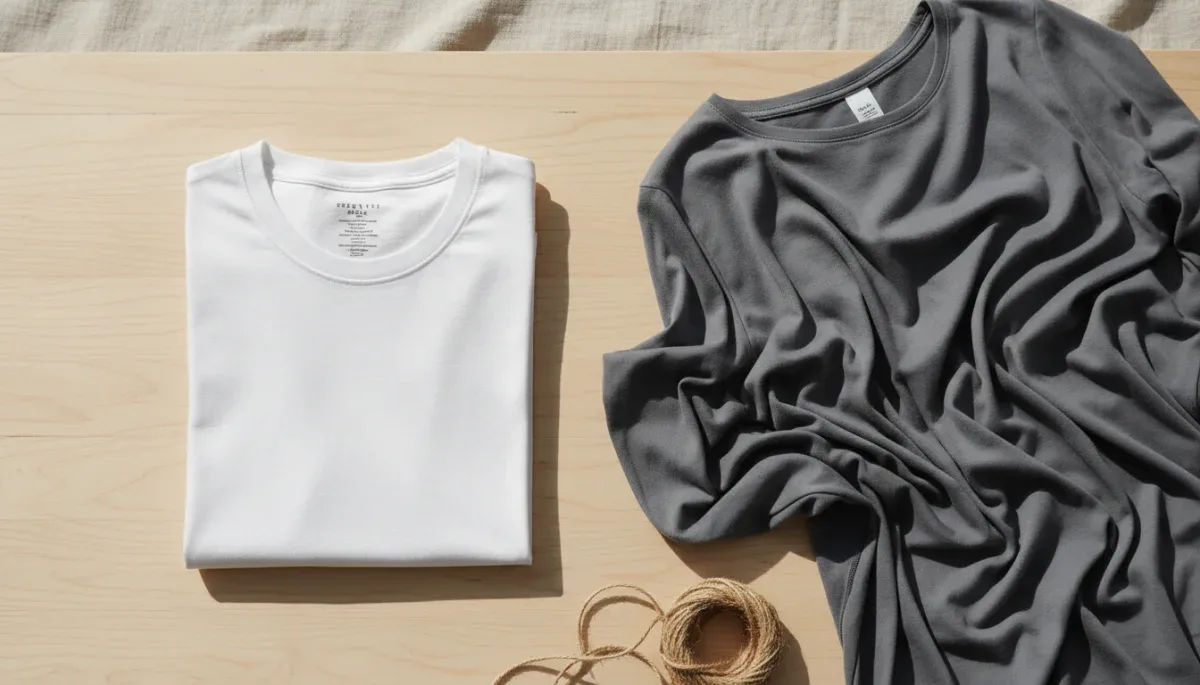
Choosing between cotton vs modal fabric comes down to whether you prefer the crisp, familiar structure of a natural staple or the fluid, silky drape of a semi-synthetic fiber. For everyday basic t-shirts and casual loungewear, both textiles offer distinct advantages in comfort, breathability, and daily wearability.
This comparison helps budget-conscious shoppers looking for reliable casual clothing build a practical wardrobe without overspending on delicate materials that degrade after three washes. The catch is that modal generally costs slightly more upfront and demands gentler laundry habits, whereas everyday budget cotton can shrink, fade, and lose softness over repeated high-heat laundry cycles.
Understanding fiber origin and manufacturing methods
Cotton is a purely natural plant fiber harvested from the protective bolls surrounding the seeds of the cotton plant. The fibers are separated from the seeds through ginning, combed or carded into uniform alignment, and spun into yarn that textile mills weave or knit into everyday jersey cloth. Because it requires agricultural harvesting, cotton varies widely based on staple length, ranging from standard upland varieties commonly used in mass-market budget apparel to long-staple types like Supima that boast enhanced smoothness.
Advertisement
Modal belongs to the rayon family and is classified as a semi-synthetic, bio-based fiber derived primarily from the reconstituted cellulose of sustainably harvested beech trees. Chemical processors dissolve the wood pulp into a viscous liquid, force it through spinneret nozzles into a chemical bath, and solidify the resulting filaments into exceptionally uniform, smooth yarns. The proprietary manufacturing process developed by Austrian fiber producer Lenzing AG, which produces TENCEL Modal, relies on an environmentally conscious closed-loop system where process chemicals and water are recovered and recycled at high rates.
When you handle the two materials side by side on a retail rack, their physical construction reveals noticeable differences in density, surface finish, and weight distribution. Standard cotton fabrics showcase a subtle, natural texture with microscopic fiber ends that give the garment a soft yet dry tactile quality. Modal surfaces appear polished, continuous, and free of irregular surface fuzz, creating an immediate hand feel reminiscent of liquid silk or lightweight fine knitwear.
Key production differences between cotton and modal
- Raw sourcing: Cotton comes from cultivated agricultural seed bolls, while modal originates from processed tree pulp cellulose.
- Chemical processing: Cotton utilizes mechanical harvesting and spinning with optional bleaching, whereas modal requires chemical dissolution and regeneration.
- Fiber uniformity: Modal extrusions produce perfectly uniform filaments, whereas cotton staple lengths vary significantly across crops.
Texture, drape, and skin feel for everyday comfort
The tactile experience of wearing a garment against bare skin often determines whether an item becomes a favorite wardrobe piece or sits unworn in a drawer. Standard ringspun cotton feels soft, familiar, and slightly structured, resting gently across the shoulders without clinging tightly to the torso. Over time, frequent laundering gradually breaks down cotton yarns, which can produce a delightfully lived-in feeling in heavy vintage-style t-shirts, though cheap lower-grade cotton may turn coarse or stiff without fabric conditioners.
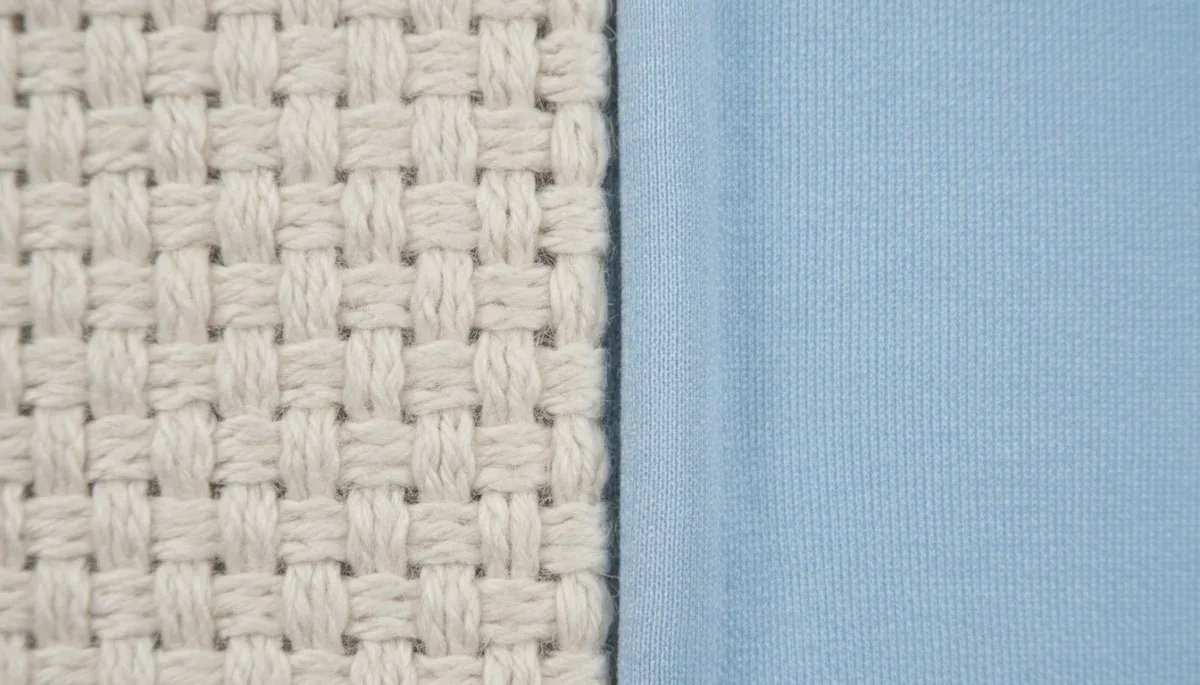
Modal provides an inherently cool-to-the-touch sensation that remains consistent regardless of how many times the garment goes through the wash. Because modal fibers are extraordinarily fine and flexible, the fabric exhibits an elegant drape that flows smoothly over body contours rather than maintaining a boxy silhouette. This slinky quality makes modal exceptionally popular for relaxed pajama sets, sleep shirts, and drapey casual tees that need to move effortlessly without bunching up under cardigans or light jackets.
Sensitive skin types frequently find modal less abrasive than untreated, raw, or lower-grade cotton varieties during extended indoor lounging sessions. The absence of protruding fiber ends prevents microscopic friction across the skin surface, reducing chafing during warm summer afternoons or restful nighttime sleep. However, shoppers who prefer relaxed-fit tees that stand away from the midsection may find that modal highlights body lines more prominently than a standard medium-weight cotton jersey.
Breathability and moisture regulation in daily use
Both textiles manage personal body climate well, but they achieve thermal equilibrium through entirely different physical mechanisms. Cotton relies on natural cellular porosity to allow ambient air to circulate freely through the knit loops of the garment. This openness makes a classic lightweight cotton tee one of the most reliable options for dry, hot environments where cross-breezes keep perspiration from accumulating on the surface of your skin.
Modal excels dramatically in active moisture absorption, holding approximately fifty percent more moisture by volume than standard cotton before feeling damp to the touch. This high absorbency allows modal loungewear to draw perspiration away from the skin surface quickly, spreading the moisture across a wider surface area where it evaporates smoothly. When sitting indoors without direct air movement, a thin modal loungewear set helps regulate skin humidity remarkably well without creating a clammy interior climate.
In conditions with elevated ambient humidity or heavy perspiration, cotton can eventually become heavy and slow to dry once saturated with moisture. Modal absorbs dampness efficiently, but heavy soaking can cause the regenerated cellulose to relax, stretching the garment temporarily while it remains damp. For moderate household lounging, running weekend errands, and sleeping, both fabrics provide superior breathability compared to purely synthetic petroleum-based textiles like polyester or nylon.
Performance attributes during warm weather wear
- Air permeability: Loosely knit cotton allows superior air circulation through open knit structures.
- Moisture capacity: Modal absorbs moisture at higher percentages before feeling saturated against the skin.
- Drying characteristics: Thin modal tops dry relatively fast when hung flat, while heavy cotton retains moisture deep within its core fibers.
Durability, shrinkage, and laundry maintenance
A major consideration for budget fashion shoppers is how well a garment holds up against weekly trips through residential washing machines and tumble dryers. Cotton is structurally robust in wet environments, actually gaining tensile strength when soaked with water during the wash cycle. This unique resilience allows standard cotton t-shirts to handle warm water settings, vigorous agitation, and standard laundry detergents without unraveling or degrading structural seams prematurely.
The primary vulnerability of cotton garments lies in their tendency to shrink and fade when exposed to mechanical heat. Heat from dryers causes twisted cotton yarns to contract, which can shorten the torso length or tighten the chest of an inexpensive tee permanently after the first wash cycle. Modal, conversely, resists thermal shrinkage exceptionally well and maintains its initial garment measurements through standard cold-water wash routines.
Modal does have specific structural sensitivities that require attention during laundering to prevent surface wear and fiber weakening. Wet modal fibers lose a portion of their dry tensile strength, meaning that aggressive washing cycles or entanglement with heavy denim zippers can lead to tears, seam distortion, or surface pilling. Using a gentle cycle, washing modal garments inside mesh laundry bags, and laying them flat to air-dry ensures that modal loungewear retains its smooth sheen and structural integrity over years of wear.
Budget considerations and long-term wardrobe value
Price points at major retail chains and online budget fashion stores reflect the raw material sourcing and manufacturing complexity of each fabric. Standard multi-pack basic cotton t-shirts often retail between five and fifteen dollars each, making them the most economical entry point for stocking up on everyday workhorse clothing. Higher-grade combed or pima cotton varieties command higher prices, but standard mass-produced cotton remains unmatched for absolute upfront affordability.
Pure modal garments and premium modal blends typically sit at higher price points, generally ranging between fifteen and thirty dollars for basic tees and casual lounge pants. While the initial investment is higher, modal garments often provide better visual longevity because the fiber locks in chemical dyes deeply during manufacturing. A black modal t-shirt will typically retain its rich, deep color through dozens of wash cycles without developing the faded, grayish patina characteristic of budget dyed cotton.
Blended fabrics combining cotton and modal offer a compelling middle ground for budget-conscious consumers seeking maximum versatility. A standard blend containing sixty percent cotton and forty percent modal brings the structural stability and modest pricing of cotton together with the silky softness and colorfastness of modal. These hybrid garments withstand regular laundry routines better than pure modal while feeling noticeably softer and more luxurious than plain budget cotton.
Choosing the right fabric for your daily wardrobe
Deciding between these two textiles depends entirely on the specific role the garment will serve within your weekly outfit rotation. If you need structured crewneck t-shirts to layer under work shirts, boxy graphic tees, or durable garments that can survive heavy yard work and high-heat laundering, cotton remains the undisputed practical winner. Its structural integrity gives clothing a clean, defined shape that looks neat and traditional in casual work settings.
If your priority is luxurious comfort for working from home, unwinding on the couch, or sleeping soundly through the night, modal delivers superior comfort. The slinky drape and frictionless texture make modal pajamas, soft robes, and relaxed scoop-neck shirts feel far more expensive than their modest price tags suggest. Modal is also an outstanding choice for travel clothing because it resists deep static wrinkles and rolls compactly into luggage without adding unnecessary bulk.
For shoppers building a balanced wardrobe on a modest clothing allowance, purchasing a mixture of both textiles provides the best everyday solution. Keep sturdy, inexpensive cotton basics on hand for outdoor tasks, layered casual outfits, and high-wear days where durability matters most. Reserve modal pieces for dedicated loungewear, sleep sets, and elevated drapey tops that you can wash gently to preserve their signature softness.
At a glance
| Factor | What to know |
|---|---|
Frequently asked questions
Does modal fabric pill easily after multiple wash cycles?
Modal resists pilling better than traditional rayon or polyester because its fibers are exceptionally long and uniform. However, washing modal garments with abrasive fabrics like denim or running them on vigorous wash cycles can cause surface fuzzing over time. Washing modal inside out on a gentle cycle preserves its smooth surface.
Is cotton or modal fabric cooler for sleeping?
Modal feels noticeably cooler against the skin initially due to its smooth texture and high moisture absorbency. While crisp cotton allows open air movement, modal actively wicks away light night sweats to maintain surface dryness. Hot sleepers generally prefer modal for breathable sleep shirts and loose-fitting pajama bottoms.
Can you put modal t-shirts in the clothes dryer?
You can dry modal on low heat, but air-drying flat is the safest method to maintain fabric longevity. High heat weakens regenerated cellulose fibers and damages delicate elastane blends often found in loungewear. Removing modal shirts while slightly damp prevents accidental thermal damage and reduces post-wash wrinkles.
Why are cotton-modal blended t-shirts so popular?
Cotton-modal blends combine the best practical qualities of both fibers into one affordable, low-maintenance garment. The cotton provides structural weight, seam strength, and easy laundry care, while the modal contributes softness, fluid drape, and fade resistance. Blended shirts offer luxury comfort at an accessible mid-tier price.
The bottom line
Cotton offers rugged structure, easy care, and unbeatable low costs for casual daily wear, while modal delivers superior softness, fluid drape, and long-lasting color for premium loungewear comfort. Shoppers balancing comfort with long-term value will get the most out of their budget by picking cotton for structured daytime shirts and modal for bedtime relaxation. Before making a purchase, always check the interior sewn-in fabric care label to confirm fiber percentages and recommended washing temperatures.
Written by
Lucas Bastos
Lucas Bastos writes about budget fashion tips, celebrity style steals and seasonal fashion trends for news4shein.com. Each article explains how things work, compares published details such as prices, policies and program rules, and points readers to the official source before they decide.