
See-now buy-now fashion shows and their retail impact
Advertisement
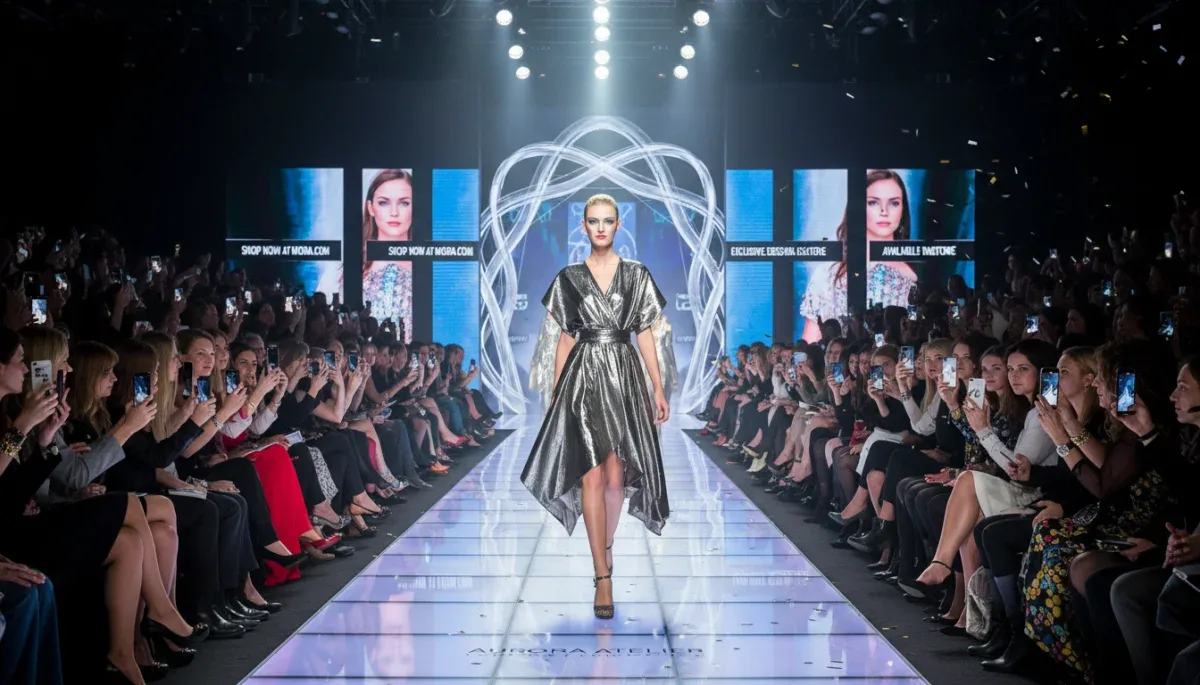
See-now buy-now fashion shows allow shoppers to purchase garments immediately after they appear on the runway instead of waiting six months for seasonal retail delivery. This system helps consumers buy current designs while excitement is fresh, but it requires brands to manufacture entire production runs before showing them publicly, creating steep financial risks for design houses and shifting how retailers stock new inventory.
For budget-conscious shoppers, this shift transformed how trends travel from exclusive trade presentations into mass-market store racks. Understanding how the immediate runway model works explains why some runway styles appear in local shopping centers within days, while other designer labels continue to follow the traditional fashion calendar.
How the traditional fashion calendar created the retail delay
For over a century, fashion houses presented collections to trade buyers and magazine editors well in advance of the actual weather season. Designers showed spring and summer lines in September and fall and winter collections in February. This deliberate delay gave wholesale accounts, such as department store buyers, time to place wholesale orders, allowed fabric mills to produce necessary yardage, and gave garment factories months to cut, sew, and ship bulk orders across the globe.
Advertisement
During that historical window, consumers had no direct access to fashion week events. Editorial teams at print magazines spent months photographing sample garments for glossy issues that reached newsstands just as retail shipments arrived in stores. The public saw clothes precisely when the inventory was ready on physical hangers, keeping consumer interest aligned with product availability.
The system functioned reliably because production timelines matched marketing distribution. Manufacturers did not risk producing pieces that would sit unsold on store shelves, because wholesale buyers had already committed to purchasing specific quantities based on physical viewings during market appointments.
Key steps in the traditional release cycle
- Design houses present sample collections to retail buyers and fashion editors six months ahead of the consumer season.
- Department stores place wholesale commitments based on anticipated regional customer demand.
- Garment factories source raw textiles and schedule mass production runs over several months.
- Marketing campaigns and print magazines showcase sample garments as production completes.
- Finished inventory arrives in physical stores and online distribution centers for seasonal launch.
Why designers adopted the see-now buy-now model
Digital live-streaming and social media networks upended the traditional runway privacy that protected the six-month production window. When runway shows became public events broadcast directly to millions of viewers on mobile devices, consumer expectations shifted. Audiences who watched a runway event in February wanted to buy the coats and knitwear immediately, rather than waiting until August when excitement had cooled.
Major brands including Burberry, Tommy Hilfiger, and Tom Ford introduced the see now buy now format to capitalize on instant digital demand. Instead of treating runway presentations as trade-only events for professional buyers, these companies converted their presentations into massive consumer-facing marketing spectacles. Viewers could click on live digital feeds or visit nearby flagship boutiques immediately following the final model walk to purchase the exact garments seen on the runway.
This operational pivot aimed to curb customer fatigue. Under the older schedule, images of new silhouettes circulated across digital platforms for months. By the time original designer pieces arrived in retail stores, consumers had already seen the designs repeatedly online, diminishing their novelty and reducing full-price sales.
Supply chain hurdles that challenged direct-to-consumer runway shows
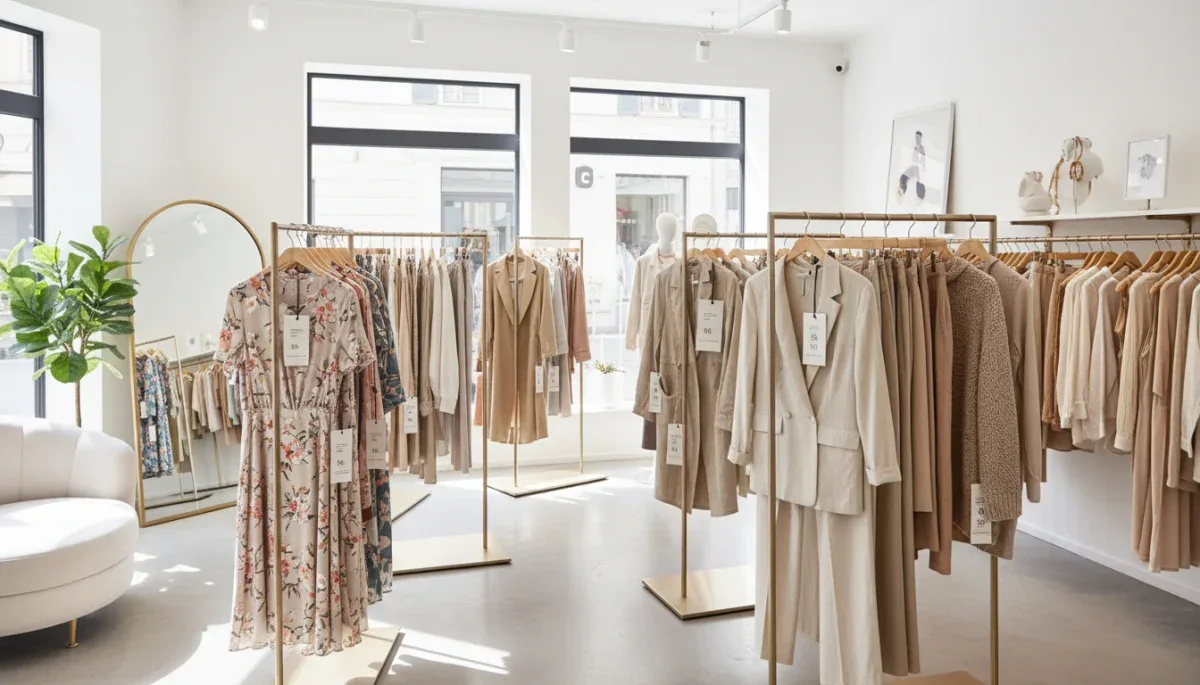
While instant retail availability satisfied online shoppers, it introduced severe supply chain complications for luxury brands. Producing thousands of garments in secret before presenting them on a runway eliminated the valuable feedback brands previously received from department store buyers. Under the new model, brands had to guess which sizes, colors, and silhouettes would sell without testing trade reception first.
If an expensive leather jacket or tailored suit failed to capture customer interest, the brand was left with warehouse inventory that had to be marked down at deep discounts. Conversely, if a specific dress became an unexpected viral success, the brand could not restock it quickly enough to satisfy demand, as fine textile production requires lengthy lead times.
Independent and emerging designers faced the steepest obstacles under this framework. Preparing inventory ahead of time requires significant upfront working capital to pay textile mills, patternmakers, and garment assembly contractors months before any revenue is collected. Because smaller labels rarely possess the capital reserves of international luxury conglomerates, most emerging brands returned to the conventional wholesale schedule to protect their operating cash flow.
Major operational challenges of immediate retail
- Brands assume all inventory risk by cutting commercial stock without advance wholesale orders.
- Design prototypes must remain strictly confidential for months to prevent premature digital leaks.
- Restocking popular items is often impossible due to specialized textile weaving schedules.
- Upfront production costs create prohibitive barriers to entry for independent designers.
- Wholesale partners face logistical difficulties coordinating simultaneous global floor sets.
How fast fashion and budget retail absorbed the concept
Mass-market apparel retailers and fast-fashion manufacturers capitalized on the gap left by traditional runway schedules long before luxury houses experimented with immediate sales. Ultra-responsive production networks allowed budget brands to observe runway shapes, translate those aesthetics into low-cost fabrics, and place finished garments in physical stores within weeks.
When high-end designers embraced immediate consumer releases, budget retailers adjusted by accelerating their own production cycles. Large retail chains adapted by working with agile domestic or near-shore manufacturing hubs that could produce small test batches of trending designs. This approach allowed affordable apparel companies to test consumer interest without committing to massive production orders.
For everyday shoppers, this evolution democratized runway trends faster than ever before. Details such as specific collar cuts, trench coat proportions, and color palettes that previously took a full year to trickle down to affordable shopping malls began surfacing across popular discount fashion platforms almost simultaneously with designer releases.
The hybrid runway model used by modern fashion brands
Rather than adopting an all-or-nothing approach, many contemporary fashion companies now use a hybrid scheduling format. Brands frequently show core seasonal collections on the traditional six-month trade calendar while releasing limited-edition capsule collections, designer collaborations, and signature accessories under the immediate purchase model.
This balanced strategy protects the wholesale partnerships that sustain high-volume manufacturing while still generating the excitement of an instant digital drop. Footwear lines, graphic apparel, and branded handbags are particularly well suited for instant purchasing because they carry lower sizing risk and appeal broadly to global consumers.
Department stores and independent boutiques also adapted by hosting curated trunk shows and exclusive pre-order portals. Customers can watch runway streams and place digital deposits on upcoming pieces, providing brands with real-time manufacturing data while giving consumers early access to desirable collections.
What direct runway shopping means for everyday shoppers
For shoppers building a functional wardrobe on a realistic budget, the rise of instant retail alters how clothing discounts and seasonal markdowns function. When garments hit shelves at the exact moment the weather demands them, retailers have less time to clear inventory before the next merchandising wave arrives.
Because collections enter stores closer to their relevant weather season, clearance cycles occur rapidly. A see-now fall collection arriving in stores in October may begin entering markdown bins by late November to clear warehouse space for early spring drops arriving in January. Savvy shoppers who understand these condensed inventory timelines can locate quality seasonal basics at discounted prices much sooner than under the historic retail schedule.
Furthermore, instant collection drops place a greater emphasis on classic personal style over chasing rapid release dates. Because social media cycles rapidly through micro-trends, purchasing items solely due to runway hype often leads to short garment lifespans. Prioritizing fabric construction, seam stability, and everyday fit remains the most cost-effective approach to shopping any new seasonal release.
At a glance
| Factor | What to know |
|---|---|
| Release timing | Garments are available for direct purchase online and in stores immediately after the runway presentation. |
| Production risk | Designers must fund and manufacture full inventory runs before knowing consumer demand or trade interest. |
| Brand adoption | Largely utilized by well-funded global brands, while independent designers generally stick to wholesale pre-orders. |
| Budget impact | Condensed store delivery schedules lead to faster clearance cycles and quicker trend translations at mass retailers. |
Frequently asked questions
What is a see-now buy-now fashion show?
A see-now buy-now fashion show is a runway presentation where the showcased clothing is available for consumers to purchase immediately online or in retail stores. This replaces the traditional wholesale calendar, which historically required customers to wait four to six months after a runway show before the collection arrived at retail.
Why did some designer brands stop using the instant retail model?
Many design houses stopped using the model because producing full collections without advance orders created high financial risk. Sizing errors, inventory overproduction, and steep upfront manufacturing costs often outweighed the sales generated by initial social media attention, especially for mid-sized and independent fashion labels with limited operating capital.
How does immediate runway shopping influence budget fashion stores?
Immediate runway shopping pushes budget retailers to accelerate their production timelines to compete with instant designer releases. As a result, affordable stores manufacture similar silhouettes, fabrics, and color palettes much faster, allowing everyday shoppers to buy runway-inspired styles at lower price points within weeks of major fashion events.
Are clothes from instant runway shows higher quality than traditional lines?
Garments from instant runway shows feature the same manufacturing quality as standard ready-to-wear lines from those brands. However, because production must be completed months ahead in secret, designs often emphasize accessible, commercial silhouettes rather than experimental, labor-intensive couture pieces that require extended fitting and construction processes.
The bottom line
The transition toward immediate runway availability bridged the gap between exclusive industry presentations and everyday digital shoppers, fundamentally altering how quickly designs move from catwalks to local clothing racks. While the model proved financially challenging for smaller independent labels, its core mechanics permanently reshaped how mass-market apparel brands stock and discount seasonal clothing. Before buying garments from any newly dropped seasonal collection, examine the fabric composition and care label to ensure the piece offers genuine long-term wardrobe value beyond its initial runway launch.
Written by
Rita Luiza
Rita Luiza writes about US fashion events, seasonal fashion trends and budget fashion tips for news4shein.com. Each article explains how things work, compares published details such as prices, policies and program rules, and points readers to the official source before they decide.