
Velvet Versus Satin Outfits for Holiday Gatherings
Advertisement
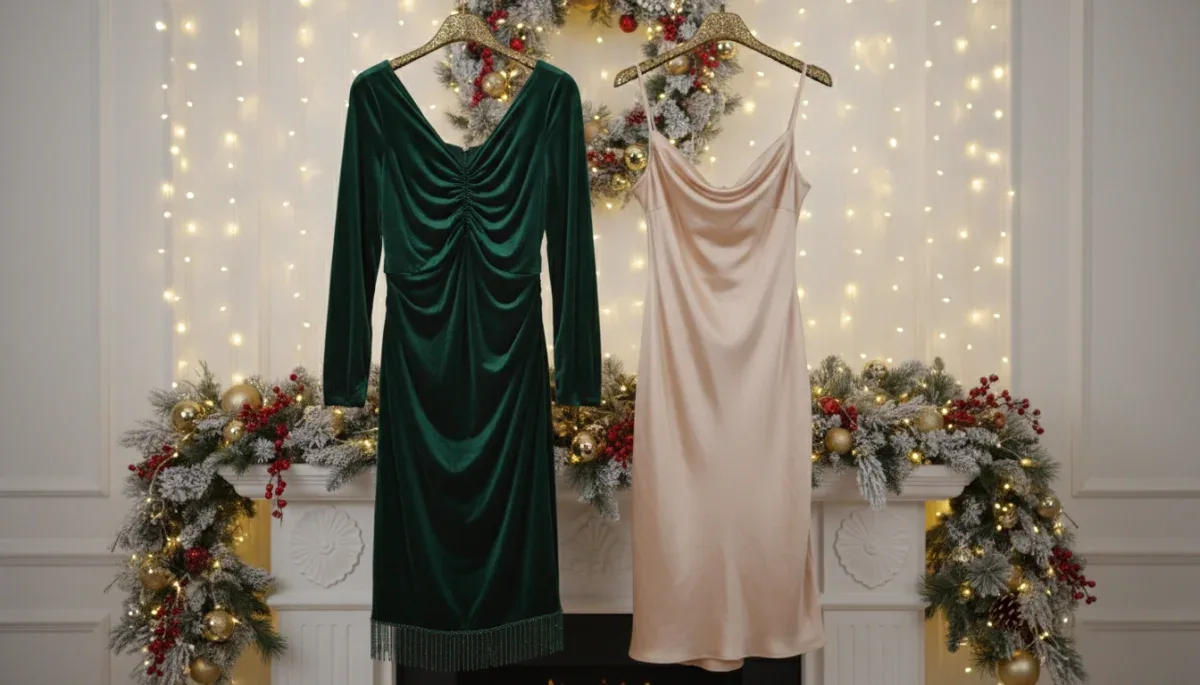
Choosing between velvet versus satin for holiday gathering outfits depends on whether your priority is insulation and structural opacity or fluid drape and light-catching luster. This comparison helps party guests choose an outfit that fits the temperature of the event space, the dress code, and their own comfort requirements, though both materials carry specific maintenance demands that require deliberate care.
Holiday celebrations present distinct environmental challenges that affect garment performance, from freezing outdoor commutes to packed living rooms with active home heating. Selecting the right fabric ensures that you do not spend the evening shivering near a doorway or overheating by the buffet. Examining how each textile behaves in terms of structure, climate control, lighting, and upkeep will help you identify the best choice for your seasonal calendar.
Understanding the physical construction of velvet and satin
The core differences between velvet and satin begin on the loom. Velvet is a woven pile fabric, which means an extra set of warp yarns is woven into the base cloth and cut to create a dense, standing surface of short threads. This cut pile produces a soft, plush hand feel and gives the material its signature depth of color. Light sinks into the pile and catches only the tips of the raised fibers, creating subtle gradients across folds. Most modern holiday velvet garments on store racks are made from polyester, nylon, or rayon blends, which provide durability and stretch at an accessible price point, while luxury versions utilize silk or cotton.
Advertisement
Satin, by contrast, is not a raw fiber but a specific weaving technique known as the satin weave. In this structure, warp yarns float over several weft yarns before interlacing underneath one. These extended floats minimize texture and create a smooth, continuous surface that bounces light directly off the material, resulting in a high-gloss finish. Contemporary holiday satin is predominantly woven from synthetic polyester or acetate, producing a lightweight, slippery drape that slides cleanly over the skin. Silk satin remains an option in higher price brackets, offering natural breathability along with its characteristic gleam.
Because velvet incorporates two layers of cloth cut apart during production, it inherently contains more physical fiber mass per square yard than standard satin. This construction difference defines every practical aspect of wearing both fabrics, including weight, opacity, and responsiveness to friction.
Temperature control and comfort in crowded holiday venues
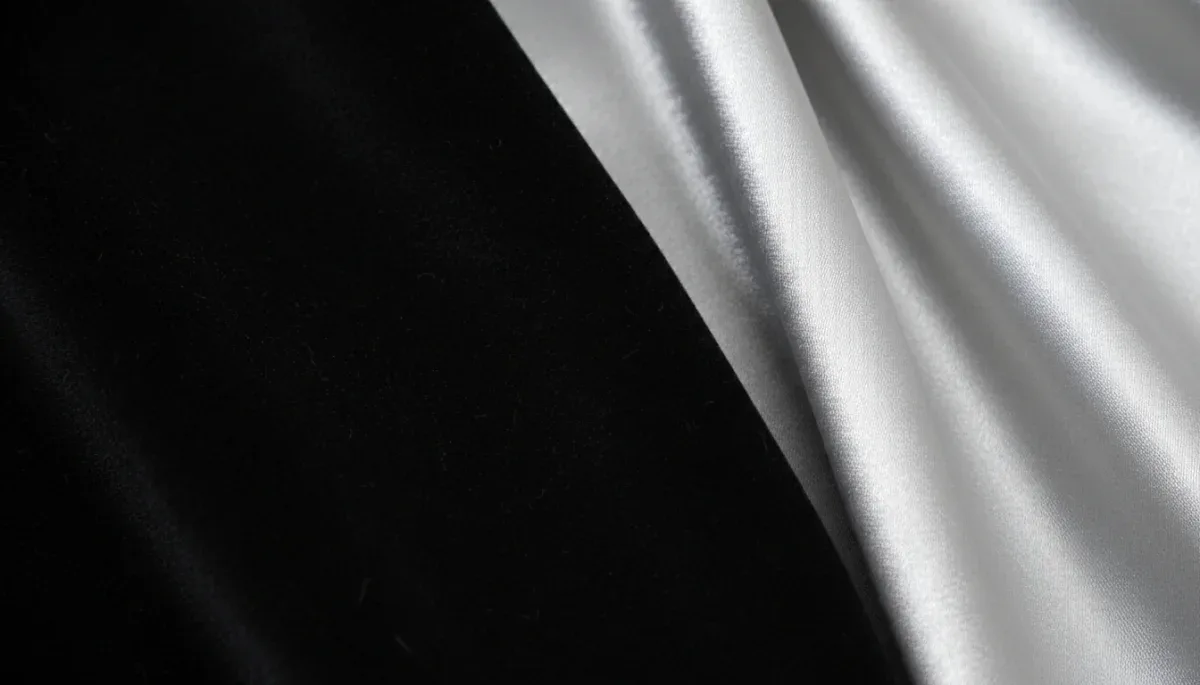
Venue climate is often the most important factor when choosing between velvet versus satin. Velvet functions as an insulator because the vertical fibers of its pile trap air close to the body, holding in natural body heat. For gatherings hosted in historic venues, drafty halls, or outdoor winter settings under open tents, a velvet dress, jumpsuit, or tailored blazer provides substantial thermal defense. You can often wear a velvet piece with minimal underlayers and remain comfortable throughout a chilly cocktail hour.
However, that same insulating property can become uncomfortable in a crowded, heated home. When multiple guests occupy a closed room with oven heat and indoor radiators running, synthetic velvet can trap excess perspiration. If you naturally run warm or anticipate dancing, full-coverage velvet sleeves or high necklines may feel stifling after an hour indoors.
Satin offers a cooling initial touch and significantly less thermal resistance. The smooth synthetic or silk surface rests lightly against the body without retaining body heat in air pockets. This makes satin slip dresses, skirts, and blouses ideal for high-activity evenings, crowded cocktail parties, and warm indoor spaces.
Key comfort factors to evaluate before dressing
- Commute length: Long walks or waits in cold air favor heavier velvet layers.
- Room density: Packed indoor cocktail parties generate ambient heat that suits satin.
- Fabric breathability: Rayon-blend velvets and silk satins breathe better than pure polyester versions.
- Sleeve coverage: Sleeveless velvet balances warmth, while long-sleeve satin prevents overheating.
Visual impact and lighting at evening events
Holiday gatherings are defined by ambient low lighting, candlelight, string bulbs, and flash photography, all of which interact distinctly with velvet versus satin. Velvet absorbs ambient light into its deep pile while creating soft, diffused highlights along garment folds. This quality gives jewel tones such as burgundy, emerald, midnight blue, and onyx a rich, matte-like depth that looks elegant in dim dinner settings. In photographs, velvet rarely produces harsh glare, making it a reliable choice for family portraits and formal group shots.
Satin operates on direct reflection. Its flat, floating yarn surface acts like a mirror, catching localized light sources and throwing bright, crisp highlights across the body. Under chandeliers, candlelight, or festive fairy lights, a satin garment moves with liquid brightness. This sheen draws immediate visual focus and creates a festive, celebratory mood that feels suited to New Year celebrations and formal evening galas.
The drawback to satin in photography stems from that same reflective quality. Direct camera flash can wash out light-toned satins, such as champagne, silver, or blush, creating bright flare spots on the fabric while obscuring the garment design. Darker satins handle flash more evenly, but they still emphasize every wrinkle, pull, and fold under direct exposure.
Silhouette, movement, and fit considerations
The structural nature of velvet gives it natural body and rigidity. Unless blended with high percentages of elastane, velvet holds its own shape, making it suitable for tailored garments like blazers, A-line skirts, structured jumpsuits, and wrap dresses. The thickness of the cut pile smooths over undergarment seams, bra bands, and shapewear lines, eliminating the need for specialized foundation garments. If you prefer clothing that defines your silhouette with built-in structure and modest weight, velvet serves that goal reliably.
Satin behaves with fluid looseness, particularly when cut on the bias, which means the pattern is laid diagonally across the fabric grain. Bias-cut satin skirts and slip dresses skim curves closely, draping across natural body contours without adding bulk. This quality delivers an effortless, graceful movement as you walk through a room, but it also means the fabric offers zero structural forgiveness.
Fit details that demand attention
- Undergarment visibility: Satin shows seam lines, requiring seamless, raw-edge undergarments.
- Static cling: Dry winter air causes lightweight satin to adhere to tights or skin without slip treatment.
- Tailoring drape: Velvet holds architectural shoulders and clean lapels far better than satin.
- Bulk management: Heavy velvet gathered at the waist can add visual thickness to a silhouette.
Care, cleaning, and spill management during holiday meals
Holiday parties feature food, drinks, and social mingling, making fabric durability and stain vulnerability an essential practical consideration. Velvet is sensitive to localized pressure and moisture. If an oily appetizer or a splash of red wine lands on velvet pile, the liquid penetrates deeply into the dense fibers. Spot-rubbing velvet with a napkin will crush and bend the pile permanently, leaving a noticeable flat, shiny mark even after the garment dries. Most velvet apparel requires professional dry cleaning or delicate hand steaming from the underside, as direct iron heat will melt or flatten the pile.
Satin handles dry cleaning and steaming with less risk of structural fiber collapse, but it presents its own stain risks. Plain water can leave ring-shaped watermarks on both polyester and silk satins as it dries unevenly across the slick weave. Grease stains from finger foods absorb quickly into the flat threads, creating dark spots that show immediately under bright room lighting.
Wrinkling is another practical factor. Velvet rarely wrinkles during an evening of sitting because the standing pile resists creasing. Satin, particularly in lightweight weaves, develops sharp horizontal wrinkles across the lap and hips after just thirty minutes in a dining chair, which remain visible when you stand for after-dinner socializing.
Styling strategies to balance both textiles
You do not need to limit an outfit to one single textile. Pairing velvet and satin together is a classic styling technique that balances the strengths of both fabrics while neutralizing their individual weaknesses. Because velvet absorbs light and satin reflects it, wearing them in the same ensemble generates tactile contrast without requiring clashing colors.
A structured black velvet blazer worn unbuttoned over a champagne satin slip dress or camisole creates practical balance. The blazer provides warmth for the commute and grounds the shine of the satin, while the lightweight dress beneath keeps your core temperature comfortable once you step into a warm room. If the party becomes warm, removing the blazer leaves you in a breezy, festive base layer.
Alternatively, pairing a tailored satin button-down shirt with a plush velvet midi skirt balances sleekness on top with warmth and coverage on the bottom. When mixing the two materials within a single outfit, keep accessories minimal. The strong contrast between the deep pile of velvet and the mirror-like surface of satin already creates ample visual interest, so simple metallic jewelry and matte leather footwear work best to anchor the look.
At a glance
| Factor | What to know |
|---|---|
| Thermal warmth | Velvet traps body heat with its dense pile, while satin stays cool and light against the skin. |
| Light reflection | Satin shines under direct fixtures and flash, whereas velvet absorbs glare and shows rich color depth. |
| Undergarment ease | Velvet masks foundation lines easily, while satin reveals seams and demands seamless underlayers. |
| Crease resistance | Velvet resists lap wrinkles during long seated dinners, while satin creases readily when bent. |
Frequently asked questions
Can I wear velvet and satin together in the same outfit?
Yes, combining velvet and satin creates balanced visual contrast. The light-absorbing pile of velvet offsets the high sheen of satin, making pairings like a velvet blazer over a satin slip dress both practical and stylish for seasonal gatherings.
Does satin show perspiration stains faster than velvet?
Yes, satin shows moisture rings almost immediately due to its flat weave and reflective sheen. Velvet conceals perspiration marks much better because the three-dimensional cut pile diffuses wet spots across dense vertical fibers.
How do I remove wrinkles from velvet without ruining the fabric?
Use a garment steamer from the reverse side of the fabric, never touching the nozzle directly to the front pile. Ironing velvet directly will crush the cut fibers and leave permanent shiny patches across the garment surface.
Which fabric works better for outdoor or drafty winter events?
Velvet is the superior choice for cold environments because its pile construction traps insulating air pockets. Satin offers minimal thermal retention and allows cold drafts to chill your skin quickly without heavy outerwear.
The bottom line
Choosing between velvet and satin comes down to matching your garment to the room temperature, the seated duration of the event, and your preferred silhouette. Velvet delivers reliable insulation, rich depth in photos, and structural smoothing for cooler, formal settings, while satin offers breezy lightness, effortless movement, and radiant shine for lively indoor parties. Before purchasing an outfit, check the fabric care label and venue temperature to ensure you stay comfortable all night.
Written by
Mariana Viana
Mariana Viana writes about seasonal fashion trends and celebrity style steals for news4shein.com. Each article explains how things work, compares published details such as prices, policies and program rules, and points readers to the official source before they decide.