
How thermal base layers work under winter workwear
Advertisement
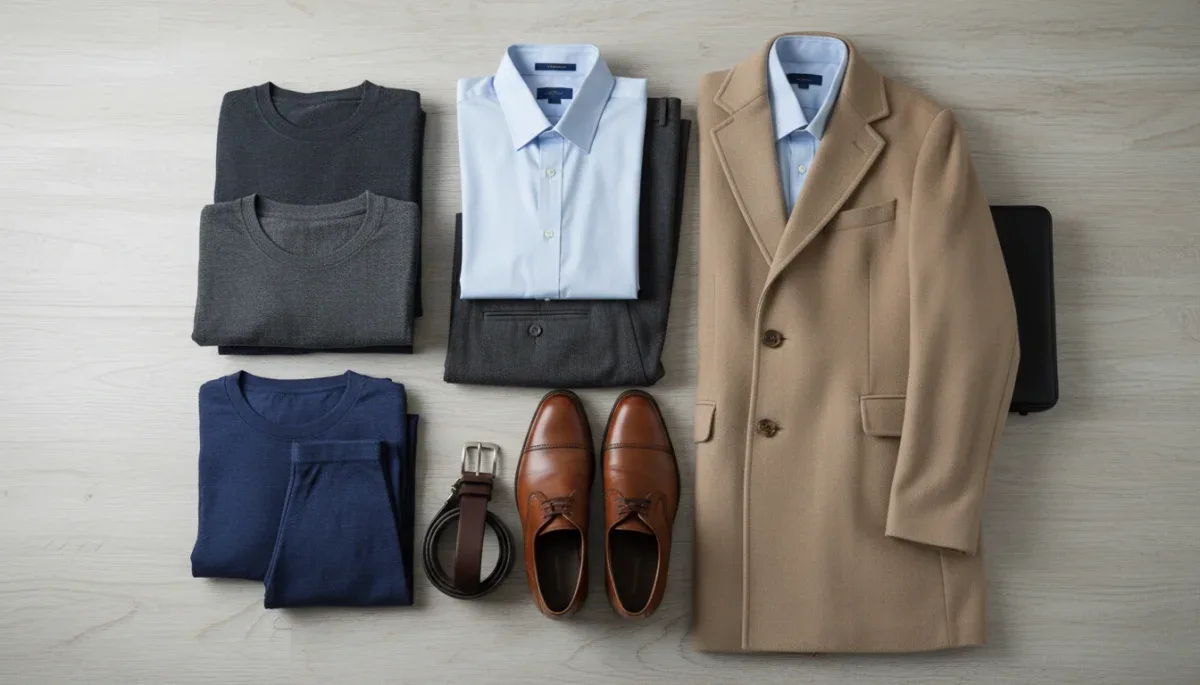
Thermal base layers work beneath everyday winter workwear by trapping a microclimate of warm air against your skin while moving natural moisture vapor away before it cools into sweat. This dual-action process maintains steady core warmth during outdoor winter commutes without interfering with the clean silhouette of formal trousers, pressed button-down shirts, or tailored wool blazers.
This approach helps daily commuters, corporate workers, and service professionals who face freezing outdoor temperatures yet spend eight hours inside heavily heated offices, though finding the ideal balance requires selecting the correct fiber weight and weave density for your specific routine. Wearing the wrong material can lead to overheating indoors, fabric friction against tailored garments, or unwanted bulk beneath sharp cuffs and waistbands.
The mechanics of skin-level insulation
The human body constantly generates heat through metabolic activity, transferring this thermal energy directly to the ambient air through radiation, conduction, and convection. When temperatures drop, cold ambient air accelerates conductive heat loss, pulling body heat away rapidly if an insulating boundary does not exist. Everyday work clothes such as cotton poplin shirts, polyester-blend blouses, or lightweight wool trousers provide an exterior barrier, but their loose fit and woven structure allow drafts to enter and warm air to dissipate into the environment.
Advertisement
Modern thermal base layers operate by establishing a stationary cushion of air immediately adjacent to the skin. Fabric engineers refer to this as dead air space, which is the most efficient natural insulator available in apparel. Because air is a poor conductor of thermal energy, trapping it inside microscopic yarn pockets prevents your natural warmth from escaping outward. This thermal retention mechanism relies entirely on the structural density of the fabric knit rather than overall garment thickness.
When worn close to the skin, base garments eliminate the cold air pockets that typically form inside looser trousers or buttoned shirts. The close contact ensures that body warmth warms the air pocket almost instantaneously upon dressing. This stable layer reduces the continuous metabolic energy expenditure your body otherwise uses to defend its core temperature against changing environmental factors.
Moisture transport and vapor management
Thermal regulation is not simply a matter of trapping warm air, because human skin continuously releases moisture vapor through insensible perspiration, even in resting conditions. When an individual walks quickly to catch a train, ascends subway stairs, or steps into an over-heated office lobby, the perspiration rate increases sharply. If that moisture remains trapped on the surface of the skin, it conducts heat away from the body roughly twenty-five times faster than still air, producing a sudden, uncomfortable chill as soon as physical exertion stops.
To prevent this rapid cooling, base layers employ capillary action, which is the physical movement of liquid through narrow spaces within a textile. High-performance synthetic filaments and fine animal fibers draw liquid perspiration away from the skin surface and distribute it across a wider surface area on the outer face of the undergarment. From there, the moisture evaporates naturally through the outer clothing or dissipates without drenching your work attire.
Key differences in fiber response to moisture
- Merino wool absorbs moisture vapor directly into its internal core without feeling damp on the surface, keeping the skin warm even under moderate perspiration.
- Polyester microfibers do not absorb moisture within the fiber itself, instead channeling liquid droplets along the yarn surface for extremely fast drying times.
- Silk knit offers lightweight vapor absorption and natural temperature moderation, though it dries slower than high-grade technical synthetics.
- Cotton blends retain large amounts of water and dry slowly, which can cause severe post-exertion shivering when walking outdoors after a warm commute.
Selecting fabrics for tailored trousers and dress shirts
Integrating base garments into a business wardrobe requires selecting materials that do not cling to dress fabrics, create static electricity, or disrupt the drape of finely tailored trousers. Bulky waffle-knit thermal underwear made from thick cotton yarns is suited for heavy utility workwear or outdoor recreation, but it visibly alters the lines of flat-front slacks and dress skirts. For an office context, ultralight or lightweight knits measured between 120 and 160 grams per square meter provide necessary thermal retention while remaining virtually invisible.
Fine merino wool knits made from fibers under 18.5 microns in diameter represent one of the best choices for business professionals. The low micron rating prevents the scratchiness associated with traditional sheep wool, producing a buttery, smooth surface that slides easily against the lining of suits and wool trousers. Furthermore, merino wool has inherent antimicrobial properties due to lanolin traces and fiber chemistry, preventing odor buildup during long days split between train platforms and desks.
Synthetic microfibers such as polyamide, polyester, and elastane blends provide an alternative that delivers superior elasticity and recovery. These materials often feature a smooth, almost frictionless outer surface that allows a cotton dress shirt or silk blouse to glide freely over top without static bunching or riding up. When selecting synthetic layers, look for brushed interior surfaces, which provide soft comfort against the skin while maintaining an ultra-sleek exterior face.
Fit and neckline considerations for professional outfits
A functional base layer must fit snugly like a second skin without compressing the body or restricting circulation. If the garment hangs loosely, the formation of circulating air gaps breaks the dead air buffer and drastically reduces insulating efficiency. Furthermore, loose fabric folds create uncomfortable ridges and visible lumps underneath slim-cut dress pants or closely tailored shirts, undermining a clean professional appearance.
Necklines must be chosen according to your everyday work shirts and sweaters to ensure undergarments remain completely concealed. A deep scoop neck or low V-neck base top fits naturally beneath unbuttoned collared shirts, knit polos, or split-neck blouses, keeping the neckline invisible to colleagues. Conversely, crew-neck base layers work best under buttoned ties, structured turtlenecks, or heavy winter crew-neck pullovers.
Fitting guidelines for hidden layering
- Sleeve length: Choose three-quarter length sleeves or garments with fitted, low-profile cuffs so the undergarment does not poke out past your dress shirt sleeves.
- Waistband design: Look for flat, wide elastic waistbands that sit comfortably at your natural waist without digging beneath the structured waistband of suit trousers.
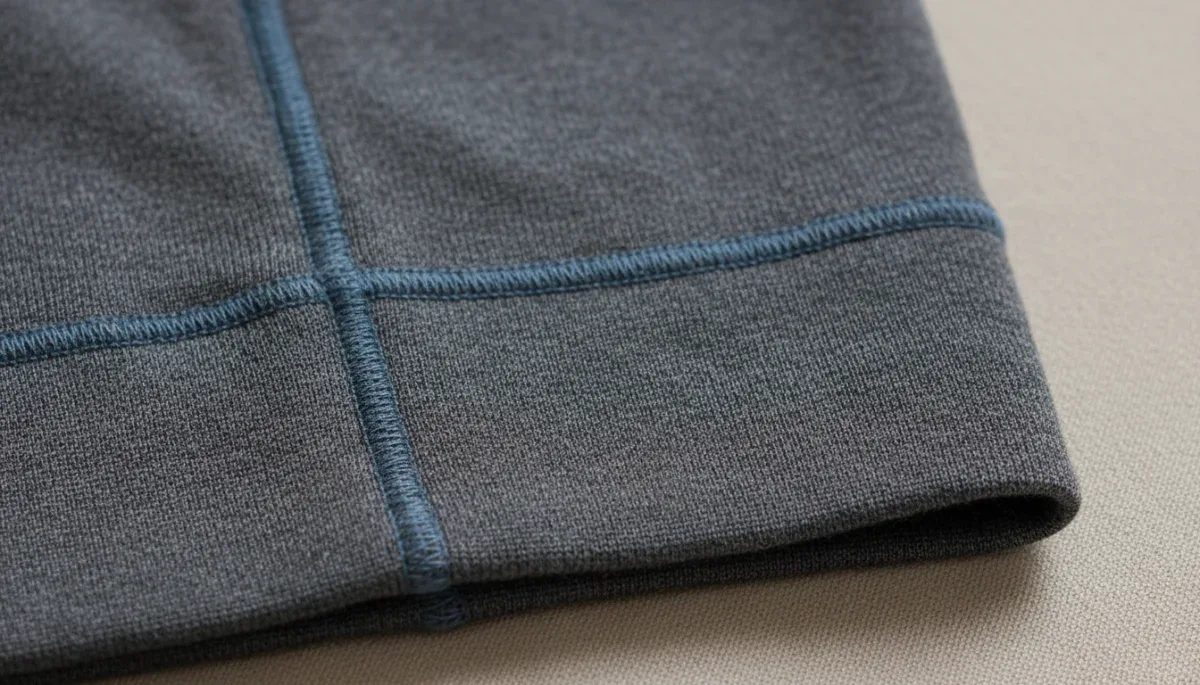
- Seam construction: Select tops and bottoms sewn with flatlock seams, where fabric edges are abutted rather than folded, eliminating raised lines beneath light-colored clothing.
- Ankle taper: Ensure thermal leggings feature a tapered ankle that rests smoothly inside dress socks without bunching over dress shoes or tailored boots.
Managing temperature swings between commutes and heated offices
The primary challenge for winter office dressing is the stark environmental difference between outdoor transit and indoors. A morning commute in freezing wind chill demands robust thermal protection, yet standard commercial office buildings maintain indoor temperatures between 68 and 72 degrees Fahrenheit. Wearing heavy thermal underwear designed for winter sports creates severe discomfort once sitting at a desk under radiant heating systems.
To bridge this gap successfully, adopt a modular clothing strategy where the thermal base layer provides the baseline temperature buffer while outer layers handle climate extremes. Ultralight base garments manage moisture and regulate minor temperature shifts without overwhelming your body in normal indoor air. When you arrive at the office, you can easily remove heavy overcoats, scarves, and gloves, relying on the breathable base layer beneath your everyday shirt to keep you comfortable at your desk.
Garments with high air permeability allow interior heat to vent gradually through the weave when you are stationary indoors, yet they hold warmth effectively when protected from the wind by an outer wool coat. Paying attention to fabric breathability ratings ensures that you do not face the mid-afternoon fatigue and discomfort caused by trapped body heat and elevated core temperatures.
Care practices to maintain thermal efficiency
Maintaining the insulating performance and sleek fit of everyday base garments requires specific laundry routines. The microscopic structures that trap air and wick moisture are delicate and can degrade quickly when subjected to harsh detergents, high heat, or mechanical abrasion. Regular wear against the waistbands of trousers and the friction of office movement also mean these garments require consistent yet gentle cleaning.
Liquid fabric softeners are particularly damaging to functional thermal layers. Softeners coat individual fibers with a thin layer of waxy compounds designed to make fabrics feel soft to the touch; however, this chemical coating clogs the fine channels that enable capillary moisture wicking and flattens insulating air pockets. Over time, softeners render technical synthetic fabrics water-repellent rather than moisture-wicking, trapping sweat directly against your skin.
Wash thermal garments inside out in cold or lukewarm water using a mild, bleach-free detergent on a gentle cycle. For merino wool garments, use a wool-specific wash that preserves the natural fibers without stripping natural oils. Air drying flat or on a drying rack is recommended, as high dryer temperatures can degrade elastane stretch fibers, causing the base layers to sag, lose their skin-skimming fit, and become visible beneath tailored trousers.
At a glance
| Factor | What to know |
|---|---|
| Fabric weight | Choose ultralight or lightweight knits between 120 and 160 GSM to prevent office overheating. |
| Primary material | Select merino wool for natural odor resistance or technical synthetics for rapid moisture drying. |
| Garment fit | Maintain a close, second-skin fit to eliminate excess fabric bulk and preserve dead air insulation. |
| Laundry care | Avoid fabric softeners and high heat drying to protect the fiber capillary channels. |
Frequently asked questions
Do thermal base layers make you overheat indoors?
No, provided you choose an ultralight fabric weight designed for everyday movement rather than heavy winter sports. Ultralight wool and synthetic blends breathe well indoors, releasing excess body heat through the fabric weave once you remove your heavy outdoor coat and scarf.
Is merino wool better than synthetic fabric for office wear?
Merino wool is generally superior for office environments because it absorbs moisture vapor before it turns to liquid and resists body odor throughout long wear. Synthetics dry slightly faster, but merino wool adapts better to fluctuating room temperatures.
Should base layers fit tightly or loosely under work clothes?
Base layers must fit closely against your skin without pinching or feeling restrictive. A snug fit ensures the fabric traps insulating air pockets effectively and stops excess cloth from bunching visibly underneath slim trousers or tailored shirts.
Can silk thermals keep you warm enough in deep winter?
Silk thermals offer reasonable insulation for mild to moderate chill and fit effortlessly under fine dress clothes. However, in freezing winter weather, lightweight merino wool or advanced synthetic microfibers provide superior moisture management and insulation.
The bottom line
Thermal base layers provide an effective, discreet solution for surviving freezing winter commutes without compromising clean office tailoring or suffering through heated work hours. By trapping an insulating boundary of warm air and transporting moisture away from the skin, modern lightweight fabrics keep your body regulated all day long. Before investing in a full winter rotation, check the fabric weight on the product tag to ensure it sits firmly in the ultralight category suitable for indoor comfort.
Written by
Mariana Viana
Mariana Viana writes about seasonal fashion trends and celebrity style steals for news4shein.com. Each article explains how things work, compares published details such as prices, policies and program rules, and points readers to the official source before they decide.