
Corduroy vs denim jeans for cold weather outfit styling
Advertisement
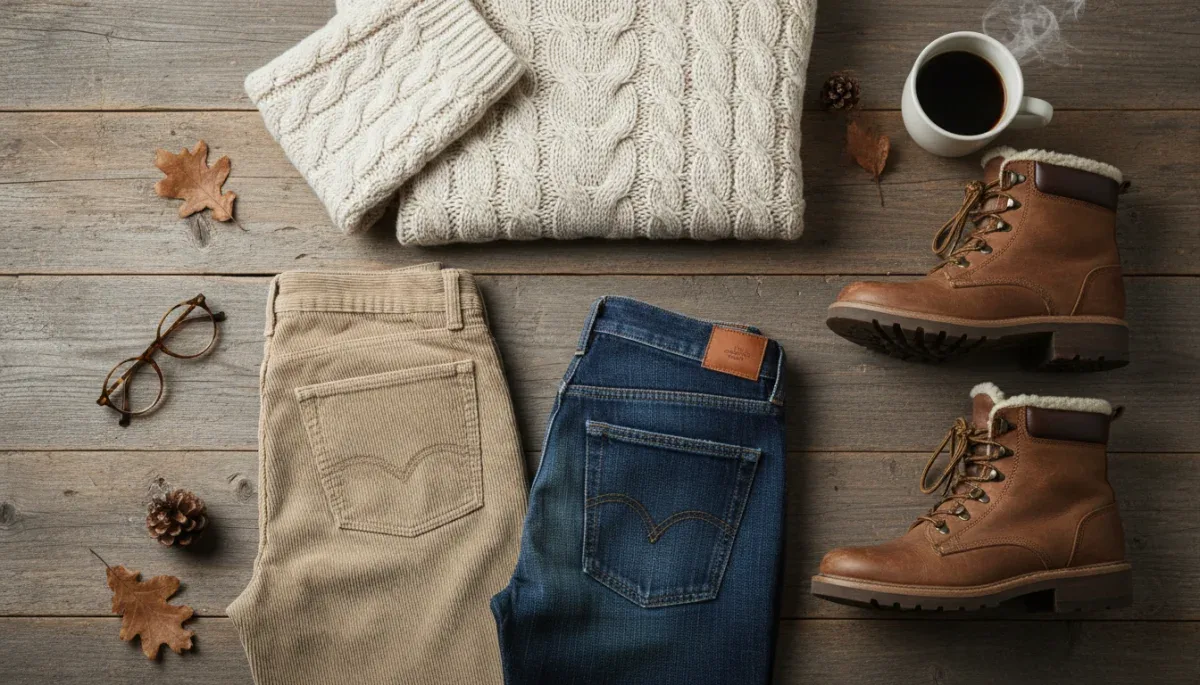
Corduroy trousers provide significantly better natural heat retention than standard cotton denim jeans during cold weather because the raised velvet-like pile traps air next to your legs. Denim remains the standard year-round choice for casual dressing, but unlined jeans often feel shockingly cold to the touch in freezing temperatures.
This comparison helps budget-conscious shoppers decide which staple pant delivers the best balance of thermal insulation, long-term durability, and styling flexibility for fall and winter wardrobes. While corduroy offers immediate comfort and rich tactile depth, it also demands more careful laundry habits than tough cotton denim.
Thermal insulation and fabric construction
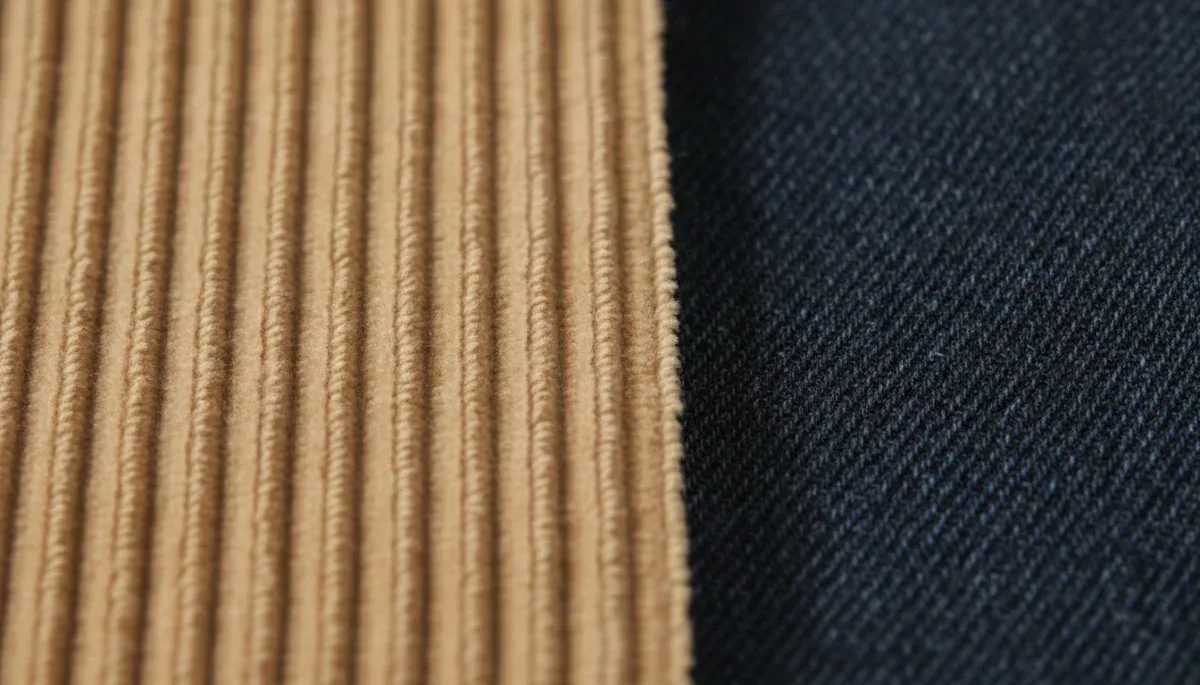
The primary structural difference between corduroy and denim lies in how their yarns are woven and finished. Denim is woven as a sturdy twill, traditionally characterized by diagonal ribs where the indigo-dyed warp threads sit on the outside and white weft threads face the interior. This tight twill weave creates a dense, durable barrier against abrasion, but standard cotton yarns have a flat surface that does little to hold dead air. In low temperatures, cotton denim readily absorbs ambient cold and conducts thermal energy away from the surface of your skin.
Advertisement
Corduroy starts with a plain or twill foundation, but weavers introduce an extra set of filling yarns that are subsequently cut to create vertical rows of pile, known technically as wales. These raised ridges function similarly to the fur of an animal or the pile of a fleece jacket. The microfibers within each individual wale create tiny air pockets that capture warm air radiated by your body, slowing down thermal transfer in chilly weather.
Key factors in winter fabric warmth
- Wale count: A lower number, such as four-wale to eight-wale, indicates wide, thick ridges with greater loft that hold more body heat than micro-wale corduroy.
- Fabric weight: Heavyweight denim weighing fourteen ounces per yard provides respectable resistance against cold, whereas common department store jeans weigh only ten to twelve ounces.
- Fiber composition: Pure cotton pants breathe well, but blends incorporating wool, modal, or technical polyester dry faster and enhance overall temperature regulation.
Visual texture and winter silhouette balance
Cold weather outfit styling inherently relies on layers, which means that visual interest depends heavily on contrasting fabric textures. Winter knitwear, including fisherman sweaters, boiled wool cardigans, and brushed fleece pullovers, has significant visual bulk. Pairing a fuzzy wool sweater with standard flat denim often works, but it can occasionally look bottom-heavy or visually disconnected due to the stark transition from thick knitwear to smooth cotton.
Corduroy offers an immediate bridge for bulky winter silhouettes. The deep ridges of wide-wale corduroy create vertical shadow lines that reflect light differently depending on the viewing angle. This matte, velvety quality complements the uneven surface of tweed overcoats, sherpa jackets, and cable-knit tops. The natural drape of corduroy also tends to fall with softer, rounded creases rather than the rigid, sharp folds produced by stiff raw denim.
Denim, by contrast, brings a clean, utilitarian foundation that anchors vibrant winter outerwear. A crisp pair of dark wash jeans prevents oversized down puffer coats from looking sloppy. If your winter wardrobe leans heavily into smooth leather, technical nylon shells, or tailored cashmere coats, denim adds a rugged, casual counterpoint that keeps your overall appearance grounded.
Durability, wind resistance, and outdoor wear
While corduroy wins on natural insulation, denim remains the undisputed champion of outdoor physical resilience and wind resistance. The tight twill weave of heavy denim leaves minimal space between threads, effectively blocking sharp winter gusts from penetrating through to your legs. When walking through blustery city corridors or across open winter landscapes, high-density cotton denim deflects cold air better than wide-wale corduroy, which can allow wind to pass between the cut channels of the pile.
Corduroy also exhibits vulnerability to localized friction. Over months of regular wear, the delicate cut pile on corduroy pants can wear down, particularly between the inner thighs, on the knees, and across the seat. Once the pile rubs away, the flat backing fabric becomes visible, creating bald, shiny patches that cannot be restored. This characteristic makes corduroy less suitable for high-friction winter activities like cycling or manual outdoor tasks.
Outdoor considerations for winter pants
- Moisture absorption: Both fabrics absorb precipitation, but corduroy's velvety surface holds onto melted snow longer, resulting in a damp, heavy feel.
- Abrasion resistance: Denim handles repeated friction from rough surfaces, winter salt residue, and heavy tool belts without significant surface degradation.
- Stiffness in freezing air: Unwashed heavy denim stiffens noticeably in sub-freezing temperatures, whereas corduroy maintains its soft, pliable hand feel.
Footwear pairings from boots to sneakers
Footwear anchors cold weather styling, and the hem of your trousers dictates how smoothly your shoes integrate into the silhouette. Winter weather necessitates footwear with thicker soles, deeper treads, and higher shafts to navigate rain, mud, and slush. Both corduroy and denim accommodate sturdy boots, but their hems behave differently around bulky leather collars.
Denim jeans have a long history alongside work boots, hiking shoes, and lug-sole chelseas. The sturdy hem of standard jeans can be cleanly cuffed, stacked naturally over the tongue of a boot, or tucked inside taller winter footwear. A classic one-inch cuff on selvedge denim creates a structured border that frames leather boots cleanly without collapsing over the ankle.
Corduroy trousers, particularly relaxed or straight-leg cuts, create a softer transition that works exceptionally well with suede footwear, casual desert boots, and retro winter sneakers. Cuffs on heavy corduroy can look bulky due to the thickness of the fabric, so many stylists prefer a straight hem with a slight break that rests directly on top of the boot. Lighter shades of corduroy also pair seamlessly with rich brown, oxblood, and tan leather, while dark denim works universally with both black and brown footwear.
Color palettes and cold weather styling versatility
Winter palettes traditionally shift away from pale pastels toward earthy neutrals, muted jewel tones, and deep foundational shades. Your choice between corduroy and jeans directly influences how easily you can introduce seasonal colors into your daily outfits without purchasing high-end designer pieces.
Denim operates primarily within the indigo spectrum, ranging from saturated dark navy to washed mid-blue, alongside black and charcoal grey. This limited range is denim's greatest strength: an indigo jean is essentially a neutral canvas that allows colorful winter accessories, vibrant scarves, and patterned beanies to stand out. A monochrome winter outfit consisting of black jeans, a charcoal turtleneck, and a black wool coat remains one of the simplest high-impact looks to assemble on a budget.
Corduroy, however, takes dye exceptionally well, yielding rich, saturated earth tones that define classic cold weather aesthetics. Shades such as burnt orange, forest green, chocolate brown, mustard yellow, and warm camel look far more natural in corduroy than in denim. Wearing a pair of caramel or olive corduroy trousers instantly signals autumn and winter styling, allowing you to build an interesting, multi-tonal outfit using simple cream or grey knitwear on top.
Fabric care and long-term winter maintenance
The practical maintenance of winter trousers is an essential consideration for anyone managing a practical wardrobe on a budget. Winter streets present slush, road salt, and muddy puddles, meaning your trouser cuffs will inevitably encounter dirt that requires regular cleaning throughout the season.
Denim is famously low-maintenance. High-cotton jeans tolerate vigorous spot cleaning, hot water cycles when necessary, and standard detergent without losing their structural integrity. Even when indigo fades over time, the wear patterns usually enhance the garment's casual character rather than diminishing its aesthetic value. Road salt brushes off dry denim with minimal effort, leaving the underlying twill intact.
Corduroy requires significantly more caution to preserve its distinctive appearance. Washing corduroy pants right-side out can crush the pile or cause it to attract lint, pet hair, and fuzz from other winter garments. The fabric must be turned inside out before entering the washing machine, washed on a gentle cycle in cold water, and reshaped while damp. Applying a hot dry iron directly to the front of corduroy fabric will permanently crush the vertical wales, creating glossy, flattened streaks that ruin the texture.
At a glance
| Factor | What to know |
|---|---|
| Thermal warmth | Corduroy traps air in its raised pile, keeping you warmer than unlined cotton denim. |
| Wind resistance | Heavy twill denim blocks cold winter drafts more effectively than ribbed corduroy channels. |
| Styling texture | Corduroy adds rich tactile contrast to heavy winter knitwear and wool overcoats. |
| Laundry care | Denim withstands rough washing, while corduroy requires gentle handling to avoid crushing the pile. |
Frequently asked questions
Can I wear corduroy trousers in snowy weather?
Yes, corduroy keeps your legs warm in freezing temperatures, but you should avoid wearing it in heavy, wet snowfall. The cotton pile absorbs moisture quickly, causing the fabric to become heavy, soggy, and slow to dry compared to water-resistant synthetic blends.
Do denim jeans stretch out more in winter?
No, pure cotton denim actually feels stiffer in cold weather until your body heat softens the fibers. However, jeans with high elastane content can lose elasticity temporarily when exposed to near-freezing temperatures, leading to slight sagging after hours of indoor wear.
What wale count is best for winter corduroy pants?
A lower wale count between four and ten is best for winter, as wider ridges hold more insulated air and create a chunkier seasonal texture. High-count pinwale corduroy looks refined, but its thin profile provides minimal warmth in freezing weather.
How do I stop corduroy from attracting winter lint?
Wash your trousers inside out and avoid laundering them alongside fluffy wool scarves, terrycloth towels, or fleece jackets. Air-drying your corduroys and using a handheld velvet lint brush instead of sticky adhesive rollers will remove surface debris without pulling the delicate pile.
The bottom line
Corduroy trousers deliver superior natural warmth and rich, cozy texture that complements bulky winter knits, making them an excellent choice for crisp, dry days when staying warm is your main priority. Denim jeans offer unmatched wind protection, structural durability, and effortless daily styling for rough, wet winter weather. Before purchasing your next pair for the season, check the fabric tag to confirm the cotton weight and ensure the pants have enough room to comfortably layer thermal underwear underneath on freezing days.
Written by
Mariana Viana
Mariana Viana writes about seasonal fashion trends and celebrity style steals for news4shein.com. Each article explains how things work, compares published details such as prices, policies and program rules, and points readers to the official source before they decide.